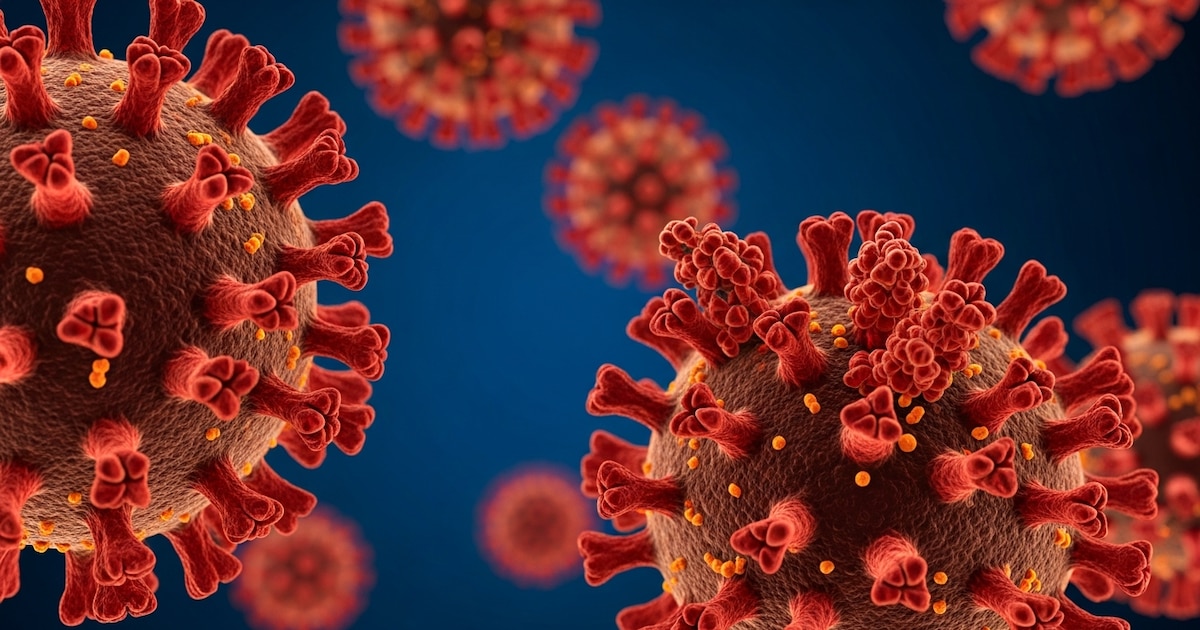
As we navigate the ongoing evolution of SARS-CoV-2, the landscape of public health discourse often becomes crowded with technical terminology that can be difficult to parse. Recently, reports have circulated regarding a COVID-19 variant colloquially dubbed “Cicada.” While social media and various digital platforms have amplified concerns regarding this nomenclature, it is essential for the public to understand how variants are formally classified and what current epidemiological data actually tells us about the viral landscape in the United States.
In the medical community, we prioritize data from the Centers for Disease Control and Prevention (CDC), which maintains a rigorous system for tracking SARS-CoV-2 lineages. When discussing the emergence of new strains, it is vital to distinguish between informal nicknames—often coined by online communities or independent researchers—and the standardized alphanumeric designations used by global health organizations like the World Health Organization (WHO) and the CDC.
To date, there is no official classification by the CDC or the World Health Organization that recognizes a variant under the formal name “Cicada.” The current dominant lineages circulating in the United States continue to be monitored under the KP and JN.1 families of the Omicron variant. The confusion often arises when specific mutations, such as those in the spike protein, are analyzed by independent genomic surveillance groups and given descriptive labels before they are integrated into official reporting frameworks.
Understanding Genomic Surveillance and Variant Naming
The process of identifying a new variant begins with genomic sequencing. Laboratories across the United States upload viral sequences to databases like GISAID, allowing scientists to track how the virus mutates over time. The CDC’s COVID Data Tracker provides the most reliable snapshot of which variants are currently prevalent in each region. As of the latest updates, the focus remains on lineages that demonstrate increased transmissibility or potential for immune evasion.
When reports emerge about a “new” variant spreading across 25 or more states, it is often a reflection of the rapid global spread of highly transmissible sub-lineages rather than the sudden arrival of a distinct, uniquely dangerous pathogen. The “Cicada” moniker appears to be an unofficial designation used in some digital health circles to describe specific mutation patterns, but it lacks the clinical validation required for official public health policy. Relying on verified data from federal health agencies remains the best way to assess personal and community risk.
Current Public Health Guidance
Regardless of the specific variant name—whether it is officially recognized or colloquially branded—the fundamental public health strategies for managing COVID-19 remain consistent. The virus continues to evolve, and with it, the need for updated protection. The CDC currently recommends that all individuals stay up to date with their COVID-19 vaccinations, which are designed to provide cross-protection against circulating strains.
For those concerned about their local risk, the best resource remains the local department of health. These offices receive real-time data from hospitals and testing centers, allowing them to provide context-specific guidance. If you are experiencing symptoms, the standard protocol remains to get tested and, if positive, to consult with a healthcare provider regarding potential antiviral treatments, such as Paxlovid, which may be effective depending on your personal health profile and risk factors.
Key Takeaways for Staying Informed
- Verify the Source: Always cross-reference sensationalized variant names with official updates from the CDC or regional public health authorities.
- Focus on Prevention: Hand hygiene, indoor ventilation, and staying up to date with vaccinations remain the primary defenses against all current SARS-CoV-2 variants.
- Monitor Symptoms: Regardless of the variant, clinical symptoms—such as fever, cough, and fatigue—should be treated with standard isolation protocols as outlined by current health guidelines.
- Consult Professionals: Avoid relying on social media rumors for medical decisions; your primary care physician is the best source of advice tailored to your medical history.
The Future of COVID-19 Monitoring
As we move forward, the scientific community is shifting its focus toward long-term surveillance. The integration of wastewater monitoring, alongside clinical testing, has proven to be an incredibly effective tool for detecting rising trends in viral activity before they manifest as spikes in hospitalizations. This “early warning system” allows public health officials to allocate resources more efficiently and provide more accurate information to the public.
The “Cicada” narrative serves as a reminder of how quickly information—and misinformation—can travel in the digital age. As an editor and a physician, I encourage our readers to approach health news with both curiosity and critical skepticism. Official scientific bodies are working around the clock to track these mutations, and their findings are readily available to the public. By staying connected to these verified streams, we can move past the confusion of unofficial labels and focus on what truly matters: the health and safety of our communities.
We will continue to monitor the genomic data provided by the CDC and WHO. The next scheduled update for national variant proportions is expected later this month, which will provide further clarity on the prevalence of current lineages. Please share your thoughts or questions in the comments section below, and stay tuned to World Today Journal for further developments on global health initiatives.
Related reading