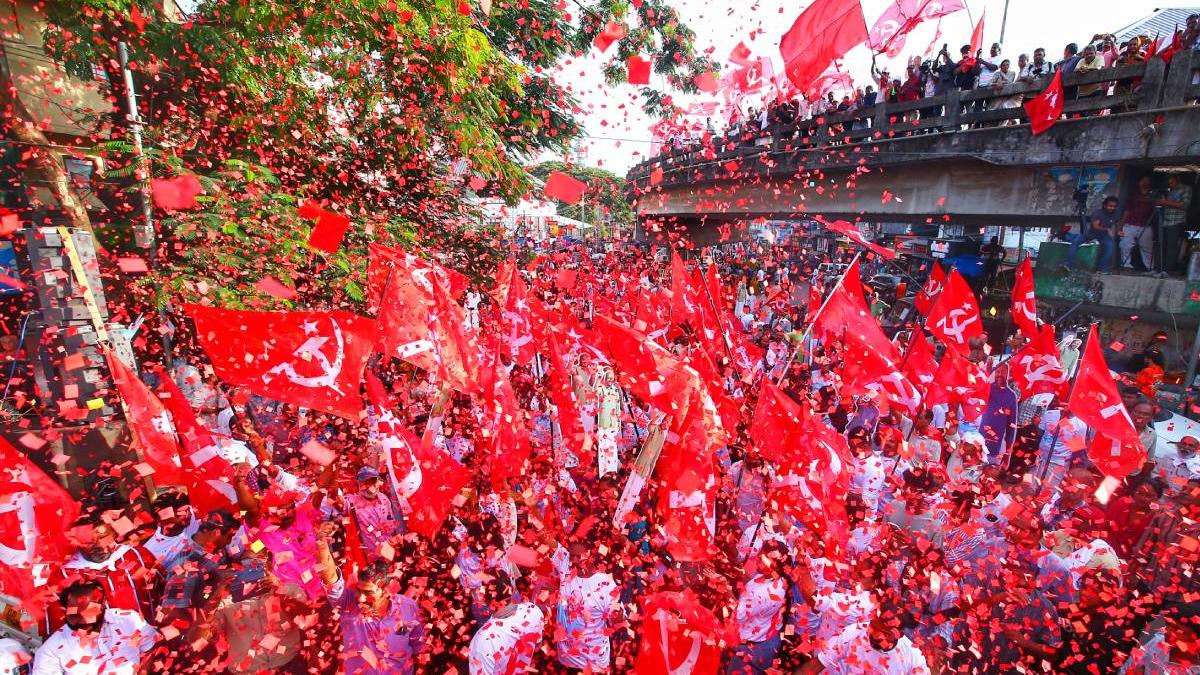
The Paradox of Power: Why Modern Leftist Movements Face an Ideological Reckoning
In the evolving landscape of global politics, the traditional pillars of leftist ideology are facing a profound existential crisis. For decades, the foundational principles of class struggle and social equity served as the primary vehicles for political mobilization. However, as contemporary socialist and communist movements navigate the complexities of 21st-century governance, a visible tension has emerged between theoretical purity and the pragmatic requirements of statecraft. This shift has triggered a decline in electoral influence in several regions, as movements struggle to reconcile historic class-based rhetoric with the realities of modern economic management.
The core of this challenge lies in the transition from opposition-based activism to the exercise of institutional power. When political entities rooted in revolutionary theory assume the mantle of governance, the language of power—often characterized by bureaucracy, compromise, and fiscal accountability—frequently clashes with the radical aspirations of their base. This phenomenon, often described by political scientists as the “institutionalization of protest,” creates a disconnect that can lead to voter alienation and internal fragmentation.
For many observers, this represents a critical juncture. As global economic structures become increasingly digitized and globalized, the classical definitions of the working class are being challenged by the rise of the gig economy and a shift toward service-oriented labor markets. Organizations that fail to modernize their approach to these demographic shifts risk becoming relics of a bygone era, regardless of the historical weight of their ideological heritage.
The Erosion of Traditional Class Narratives
The historical success of left-wing political movements was largely predicated on a binary understanding of societal structure: the proletariat versus the bourgeoisie. This framework was effective in mobilizing industrial-era populations around collective bargaining and state-led economic redistribution. Yet, as noted in recent analyses of global political trends, the proliferation of individualistic economic models has complicated this narrative. According to data from the International Labour Organization, the fragmentation of labor markets necessitates a more nuanced approach to social welfare that transcends 19th-century definitions of class.
When parties cling strictly to rigid interpretations of class theory, they often find themselves unable to address the aspirations of the emerging middle class or the precarious nature of self-employed workers. This ideological rigidity is frequently cited as a primary factor in the electoral setbacks faced by various left-leaning coalitions across Europe and Asia. The inability to pivot toward policies addressing technology-driven inequality and climate-conscious economic growth has left a vacuum filled by populist and centrist alternatives.
Governing in the Age of Pragmatism
The transition from a movement focused on dissent to one focused on administration is arguably the most difficult hurdle for any political organization. When in power, the rhetoric of “class struggle” often encounters the hard walls of international trade agreements, sovereign debt management, and the necessity of private investment. Political analysts often point to the “governance gap”—the space between a party’s campaign manifesto and the reality of its legislative output—as a key indicator of its long-term viability.
In democratic systems, the Pew Research Center has documented a growing trend of ideological polarization, which forces parties to either double down on their core base or attempt to broaden their coalition. For the traditional left, the latter often requires making concessions that supporters view as a betrayal of core values. This dynamic creates a “loss of identity” crisis, where the party loses the fervor of its grassroots base without necessarily capturing the trust of moderate, swing-voter demographics.
Key Takeaways on Contemporary Political Shifts
- Economic Evolution: The shift from industrial manufacturing to a service-based and digital economy has rendered traditional class-based rhetoric less effective for modern voter demographics.
- The Governance Gap: There is a documented disparity between the ideological promises of revolutionary movements and the pragmatic limitations of modern state administration.
- Coalition Fragility: Movements that fail to adapt their messaging to a diverse, interconnected society often face internal fragmentation and a reduction in electoral reach.
- Policy Adaptation: Successful political entities are increasingly prioritizing evidence-based public policy over strict adherence to 20th-century economic doctrines.
What Happens Next?
The future of these movements depends on their ability to engage in introspection. History suggests that political organizations that resist adaptation to changing social and economic realities eventually yield to new, more responsive movements. The next significant checkpoint for many of these parties will be the upcoming cycle of regional and national elections, where their ability to synthesize traditional values with modern economic solutions will be put to the test.
As voters continue to prioritize stability, economic security, and technological progress, the onus remains on political leaders to move beyond the language of division. Whether the left can successfully reinvent its message to address the anxieties of the modern citizen—without abandoning the pursuit of equity—remains the defining question of the current political decade.
What are your thoughts on the evolution of political ideology in the modern era? Join the conversation by leaving a comment below or sharing this analysis with your network.
Keep reading
- Seattle Center Shooting: Fatal Bullets Not From 15-Year-Old Suspect’s Gun
- Federal Immigration Agents in L.A. Accused of Using Racial Slurs Against Latinos
- Nepo Babies in Power: The Rise of Political Dynasties in Latin America (newsdirectory3.com)
- Latin America Political Dynasties See Rise of Nepobabies in Power (archyde.com)