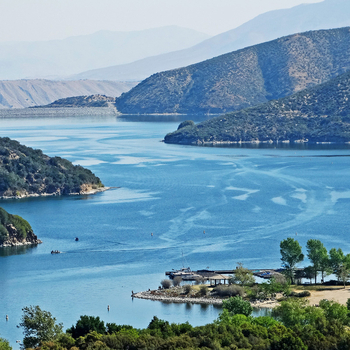
As the summer season begins in Southern California, many residents look toward the San Bernardino Mountains for a reprieve from the rising temperatures of the lowlands. Known for their scenic beauty and recreational opportunities, the alpine regions of the region offer a distinct change of pace, characterized by cooler temperatures and expansive water bodies nestled within mountain basins. Among these destinations, Lake Arrowhead and Silverwood Lake stand out as prominent examples of the geographic diversity found within the inland areas of the state.
The appeal of these mountain retreats is rooted in their geological and hydrologic characteristics. A lake is defined by geographers as a relatively large inland body of standing or highly slowly moving water that occupies a basin and is surrounded by land, distinguishing these areas from the faster-moving currents of regional river systems. For travelers and outdoor enthusiasts, these sites serve as primary hubs for activities ranging from boating and fishing to hiking the surrounding forested terrain.
Understanding the Alpine Geography of Southern California
The San Bernardino Mountains, which host these well-known lakes, are part of a broader landscape of inland water bodies that play a vital role in the regional ecosystem. According to Britannica’s scientific overview of lakes, these basins are often formed by complex geological processes, including tectonism and glaciation, resulting in the deep, stable environments that support diverse local flora and fauna. In the context of Southern California, these high-altitude basins are particularly valued for their ability to maintain water levels that support recreational infrastructure.
Lake Arrowhead, often referred to as the “Alps of Southern California,” provides a classic example of a mountain reservoir that functions as both a recreational focal point and a managed water resource. Unlike natural lakes that may fluctuate significantly based on seasonal precipitation, many lakes in this region are part of a managed hydraulic network. This management is essential for sustaining the water budget—the balance between water input, output, and storage—which remains a critical factor in the planning of any excursion to these areas.
Recreation and Environmental Stewardship
Silverwood Lake, located within the Silverwood Lake State Recreation Area, represents another facet of the region’s water-based recreation. It is frequently noted for its role in the State Water Project, which serves as a massive infrastructure network for transporting water across California. Visitors to the area are encouraged to review the current status of park facilities and water safety guidelines provided by the California Department of Parks and Recreation, which oversees the management of these public lands to ensure both visitor safety and environmental preservation.
When planning a visit to these mountain destinations, it is important to distinguish between various types of water bodies. While the terms “lake” and “pond” are often used interchangeably in casual conversation, geographers note that lakes are generally larger and deeper, with water columns that do not mix as easily as those in shallower ponds. This depth is what allows for the sustained, cool-water activities that draw crowds to the San Bernardino Mountains each June.
Safety and Planning for Mountain Excursions
- Check Local Advisories: Before traveling, always verify the current status of fire restrictions and park closures, as mountain conditions can change rapidly due to wildfire risk.
- Water Safety: Always utilize life jackets when boating or swimming, as mountain lake temperatures can remain low even during the summer months, posing a risk for cold-water shock.
- Leave No Trace: As these areas are ecologically sensitive, visitors are encouraged to follow established trails and pack out all waste to preserve the alpine environment.
For those seeking to understand the broader context of how these lakes function within the global water cycle, resources such as GeographyPin provide detailed insights into the formation and management of inland basins. Understanding these mechanisms adds a layer of appreciation for the natural and engineered beauty that defines the Southern California mountain experience.
As we move further into the summer, local authorities are expected to provide updated guidance regarding water levels and recreational access in the San Bernardino National Forest and surrounding state recreation areas. Travelers should monitor official government portals for the most current information before departing. We invite our readers to share their own experiences or questions about navigating these mountain landscapes in the comments section below.
Worth a look