The Egyptian real estate sector, a traditional pillar of the nation’s economic growth, is currently navigating a complex landscape of shifting consumer demand and macroeconomic volatility. As we move through the current fiscal cycle, recent data regarding the performance of the country’s top-tier developers has sparked significant discussion among investors and market analysts alike. While headlines often focus on aggregate sales figures, a closer look at the financial disclosures and market dynamics reveals a more nuanced picture of how these major entities are balancing inflationary pressures with project delivery timelines.
Navigating the current climate requires understanding the distinction between contract sales and net profitability. While some observers have noted fluctuations in the sales volume of the top 10 real estate developers in Egypt, these metrics must be contextualized against the backdrop of rising construction costs and the strategic pivot toward high-value, sustainable urban developments. For long-term stakeholders, the resilience of these firms—many of which are listed on the Egyptian Exchange (EGX)—remains a primary indicator of the broader health of the construction and property markets in the MENA region.
Market Dynamics and Financial Performance
The Egyptian real estate market has long been viewed as a hedge against currency fluctuation, driving consistent interest from both domestic and expatriate buyers. However, the first quarter of the current calendar year has highlighted a divergence between sales velocity and bottom-line earnings. According to recent financial reports filed with the Egyptian Exchange, several major developers have reported significant growth in net profits, reaching approximately 15.8 billion Egyptian pounds, marking a 28% increase compared to the same period in the previous year. This growth suggests that while the pace of new unit sales may face headwinds, the industry’s ability to monetize existing portfolios and optimize operational efficiency remains robust.
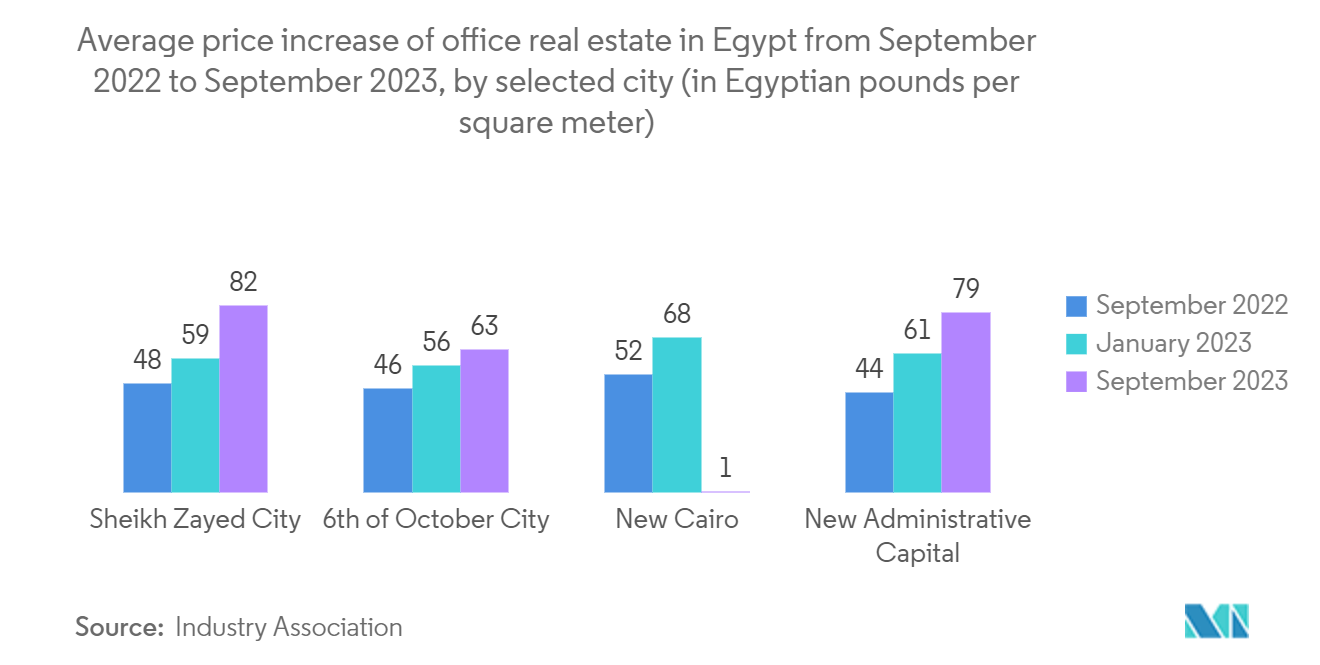
For investors, the key lies in the “what it means” factor. Increased profitability despite varying sales volumes often points to a strategic shift: developers are prioritizing margin over sheer volume, focusing on premium projects in key areas like the New Administrative Capital and the North Coast. This transition is consistent with global trends where developers mitigate rising input costs—such as steel and cement—by targeting segments of the market that are less sensitive to interest rate adjustments.
The Role of Strategic Development
One of the most discussed aspects of the recent market cycle is the aggressive expansion of specific firms that have posted triple-digit growth percentages in their sales portfolios. While these figures are impressive, analysts at the World Economic Forum often point out that such rapid growth in emerging markets can be attributed to the launch of new, massive project phases that capture pent-up demand. It is essential for stakeholders to differentiate between sustainable organic growth and spikes driven by singular, large-scale project announcements.

the interplay between the Egyptian pound and real estate pricing continues to be a central theme. As the Central Bank of Egypt continues to calibrate monetary policy to stabilize the economy, the real estate sector remains a focal point for liquidity. Investors are advised to monitor the official disclosures from the Central Bank of Egypt regarding interest rate adjustments, as these directly influence mortgage availability and, by extension, the purchasing power of the average consumer.
Key Takeaways for Market Observers
- Profitability vs. Volume: Net earnings for major firms have shown a resilient upward trend of 28%, even as sales volume growth rates fluctuate across the top tier of developers.
- Macroeconomic Sensitivity: Construction input costs remain a critical factor, with developers increasingly passing these costs to consumers through premium pricing strategies.
- Strategic Positioning: The focus has shifted toward high-end, master-planned communities that offer better protection against inflationary pressures compared to traditional residential offerings.
- Regulatory Oversight: Increased transparency in financial reporting across the EGX is providing investors with better tools to assess the long-term viability of major property firms.
Looking Ahead: What Happens Next?
As we head into the next quarter, the market is expected to remain in a state of consolidation. The focus for institutional and retail investors will shift to the half-year results, which will provide a clearer picture of whether the current sales trends are a temporary correction or a sign of a cooling market. Analysts will be particularly keen to see how these developers manage their debt-to-equity ratios in an environment where borrowing costs remain elevated.

For those monitoring the sector, the most reliable source for updates remains the official filings on the Egyptian Exchange and the periodic reports released by the Ministry of Housing, Utilities, and Urban Communities. These documents provide the ground truth, stripping away market speculation and allowing for a data-driven investment approach.
What are your thoughts on the current trajectory of the Egyptian real estate market? Are you observing a shift in buyer behavior in your region? Please share your insights in the comments section below, and keep an eye on our business section for our upcoming deep-dive into the Q2 projections for the construction sector.
Related reading
- The Embarrassing, Revealing Truth of Anthony Fauci’s Private Diary
- Young Professional Buys Compact 39㎡ Apartment for Marriage
- Why CD Sales Are Suddenly Outgrowing Vinyl's in 2026 (daybreakwire.com)
- Spy Shots: Ferrari 12Cilindr, BMW i4 Convertible and Range Rover Sport – Specialty Equipment Market (archyde.com)