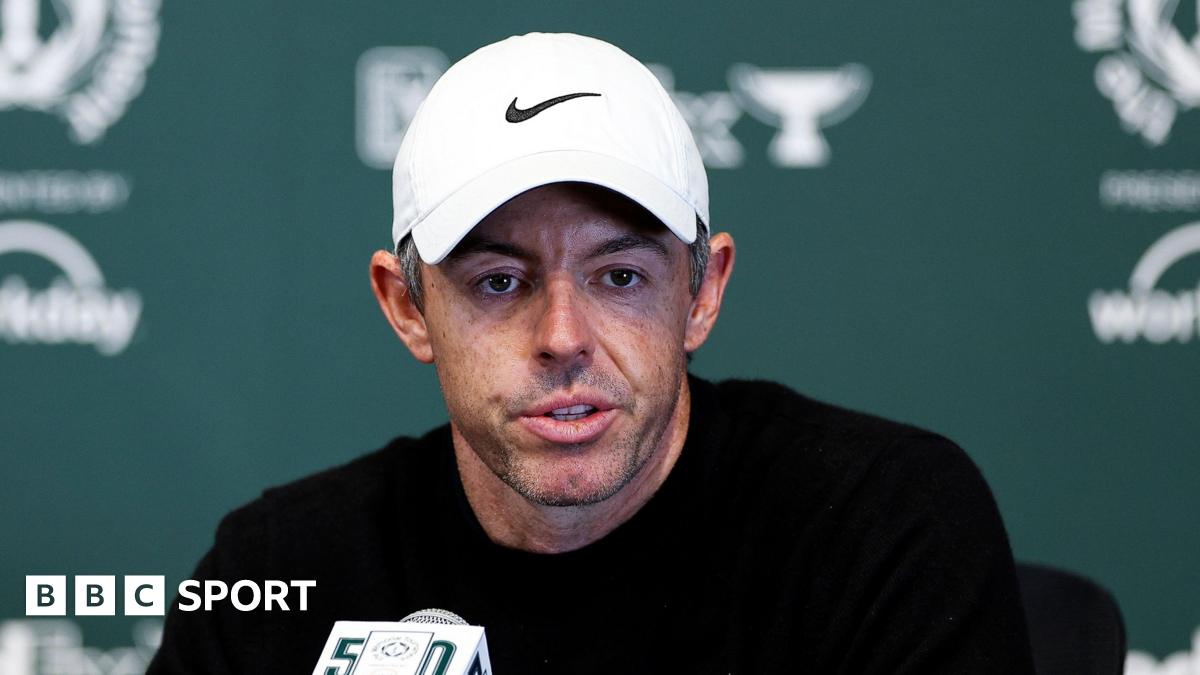
As the professional golf landscape continues to evolve, Northern Irish standout Rory McIlroy has reaffirmed his commitment to a selective tournament schedule. In an era where the PGA Tour has undergone significant structural shifts to its calendar, McIlroy’s approach remains centered on personal sustainability. The four-time major champion, who has established himself as one of the game’s most influential voices, has indicated that his decision to “pick and choose” events is a calculated move designed to maintain his longevity and performance levels.
For a player of McIlroy’s stature, balancing the demands of a global tour with the necessity of recovery is no longer just a preference. it is a professional requirement. By limiting his appearances, the 37-year-old aims to ensure that when he does tee it up, he is physically and mentally prepared to contend for titles. This strategy, which he describes as bringing “balance to my life,” reflects a broader trend among elite athletes who are increasingly prioritizing career longevity over the sheer volume of competitive appearances.
Strategic Scheduling in the Modern Era
The PGA Tour’s current schedule, often referred to as a “new-look” calendar, includes a series of elevated events that carry significant points and purse incentives. These changes were implemented in part to draw the world’s best players to the same venues more frequently. However, even with these incentives, the physical toll of a full-time campaign remains a primary concern for top-tier professionals. According to official scheduling information, McIlroy’s upcoming itinerary features high-profile stops such as The Memorial Tournament and the U.S. Open at Shinnecock Hills, highlighting his focus on the sport’s most prestigious stages.
McIlroy’s decision to limit his playing schedule does not signal a retreat from competition, but rather a refinement of his focus. By operating on a “part-timer” basis—a term often used to describe players who opt out of lower-tier events in favor of major championships and designated tour stops—McIlroy is able to dedicate more time to training, recovery, and his family. This professional pivot is consistent with his long-standing career trajectory, which has seen him secure numerous victories across both the PGA Tour and the European Tour.
The Evolution of a Career
Since turning professional in 2007, McIlroy has consistently been at the forefront of the sport, spending over 100 weeks as the world number one in the Official World Golf Ranking. His resume includes an impressive collection of major championships and multiple FedEx Cup titles. As he enters this phase of his career, the focus has shifted toward managing the intensity of the professional circuit. The ability to calibrate his schedule allows him to extend his tenure at the top of the game while mitigating the risk of burnout.
This approach also speaks to the changing nature of professional golf, where the competition for top players’ time is higher than ever. With the introduction of signature events and a more condensed calendar, the pressure to play every week has been replaced by a strategic selection process. For McIlroy, the goal is to optimize his performance for the events that define a legacy, ensuring he remains a perennial contender at the Masters, the U.S. Open, and other major fixtures.
Key Considerations for the Future
- Focus on Major Championships: Prioritizing the four major tournaments remains the cornerstone of McIlroy’s scheduling philosophy.
- Physical Longevity: Reducing the number of tournament appearances is a proactive measure to manage physical wear and tear.
- Personal Balance: Integrating family life and recovery time is explicitly linked to his ability to maintain a high level of competitive play.
- Tour Engagement: Despite a limited schedule, McIlroy continues to play a pivotal role in the PGA Tour and European Tour ecosystems.
As the season progresses toward the summer months, the golf world will continue to watch how McIlroy executes this strategy. His performance at upcoming events, starting with the Memorial Tournament, will serve as a bellwether for whether this selective approach yields the desired results on the course. For fans and analysts alike, the “part-timer” label is less about a reduction in effort and more about the strategic management of a legendary career.
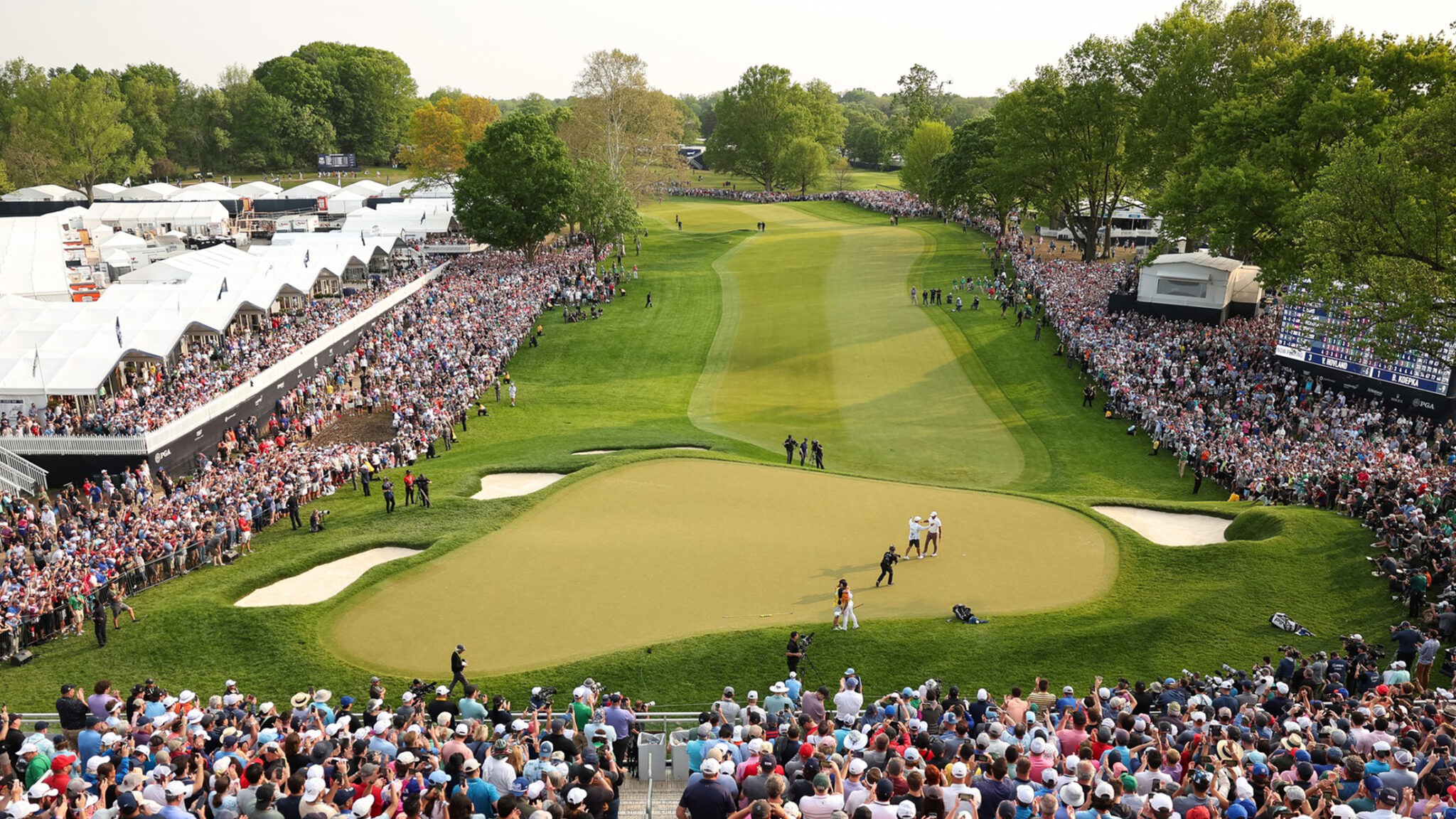
The next major checkpoint in the professional golf calendar is the U.S. Open, scheduled for June 18–21, 2026, at Shinnecock Hills Golf Club in Southampton, New York. As players finalize their preparations for this historic venue, the discussions around scheduling, player wellness, and the future of the tour are expected to remain at the forefront of the conversation. We invite our readers to share their thoughts on the evolving nature of professional tour schedules in the comments section below.
Keep reading