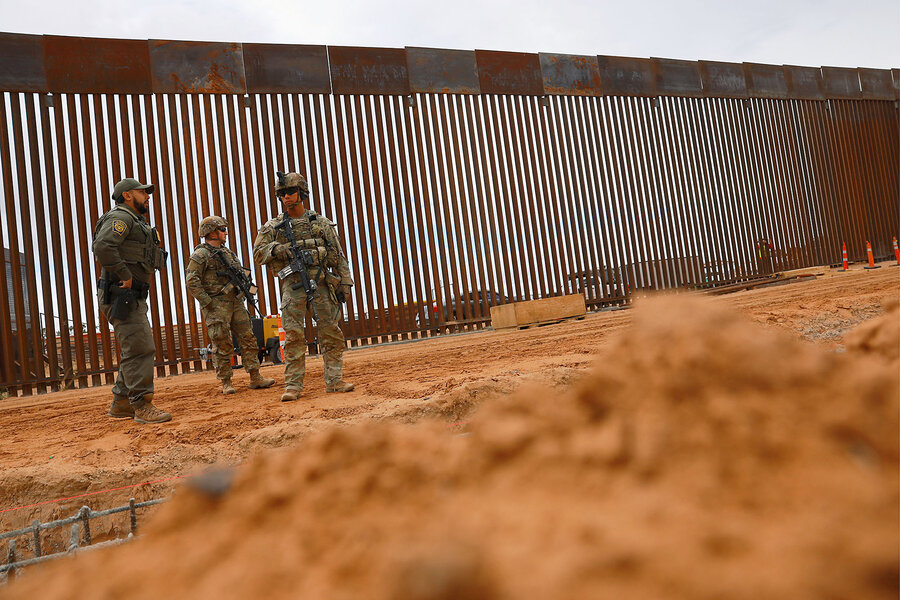
The landscape of United States border policy remains in a state of profound legal flux, as recent judicial actions have once again cast doubt on the mechanisms governing how migrants seek protection at the southern border. For thousands of asylum seekers waiting in precarious conditions across northern Mexico, these court developments have created a complex, shifting reality where hope for a legal pathway to entry oscillates with the tightening of federal enforcement measures.
At the center of this ongoing debate is the Biden administration’s Circumvention of Lawful Pathways rule, a policy implemented in May 2023 that effectively bars migrants from asylum if they crossed through other countries without first seeking protection elsewhere or utilizing specific digital scheduling tools. While the administration maintains that these measures are essential to managing border capacity, federal courts have repeatedly scrutinized the legality of these restrictions, leaving thousands in a state of suspended animation.
The Legal Tug-of-War Over Asylum Access
The legal challenges to U.S. Border policies are multifaceted, involving a series of high-stakes battles in the federal judiciary. Plaintiffs, including various civil rights organizations, have argued that the current asylum restrictions violate both domestic immigration law and international treaty obligations regarding the principle of non-refoulement. According to the Executive Office for Immigration Review, the backlog of cases in immigration courts has reached historic highs, with over 3.5 million pending cases as of early 2024, complicating the administration’s ability to process claims efficiently.

In recent proceedings, judges have grappled with whether the executive branch possesses the authority to unilaterally impose categorical bars on asylum eligibility. These rulings have not resulted in a wholesale dismantling of border enforcement, but they have forced the Department of Homeland Security (DHS) to adjust its operational protocols. For the migrants waiting in border cities like Tijuana, Ciudad Juárez, and Matamoros, these judicial interventions often translate into sudden shifts in the availability of asylum appointments via the CBP One™ mobile application.
Understanding the Impact on Migrant Populations
For those living in temporary shelters or makeshift encampments, the legal uncertainty is not merely an academic exercise; This proves a daily struggle for safety and survival. The reliance on digital tools for seeking asylum has been met with criticism from advocates who point to the technological barriers, language limitations, and limited appointment slots that leave the most vulnerable populations at risk. Data from the Department of Homeland Security suggests that while the use of these “lawful pathways” has increased, the sheer volume of individuals seeking protection continues to outpace current processing capabilities.
The situation is further complicated by the fluctuating security conditions in Mexican border states. Migrants often face extortion, kidnapping, and violence while waiting for their turn to present themselves at a port of entry. The legal expectation that migrants remain in Mexico while awaiting their processing date places them in a position of extreme vulnerability, a reality that plaintiffs in ongoing litigation have highlighted as a core human rights concern.
What Happens Next: Navigating the System
As the legal challenges continue to wind through the appellate courts, the immediate future for asylum seekers remains tied to the intersection of judicial rulings and administrative policy. The administration continues to defend its approach, emphasizing that the combination of stricter enforcement and expanded legal pathways is the only viable path to managing migration flows. However, critics argue that until the root causes of migration are addressed and the legal system is adequately resourced, the cycle of litigation and uncertainty will persist.
For individuals currently navigating this process, the following resources remain the primary channels for official guidance:

- CBP One™ Application: The official and primary method for non-citizens to schedule an appointment to present themselves at a port of entry.
- U.S. Citizenship and Immigration Services (USCIS): Provides updated guidance on asylum eligibility and the “Circumvention of Lawful Pathways” rule.
- Department of Justice (DOJ) Immigration Court Records: Provides transparency on case status and hearing schedules for those already in the system.
The next major checkpoint in this legal saga will likely involve further rulings from the U.S. Court of Appeals for the Ninth Circuit, which has been central to hearing challenges regarding the administration’s asylum policies. Until a definitive Supreme Court ruling or a legislative overhaul by Congress occurs, the status of these asylum seekers will remain a litmus test for the balance between national security interests and the right to seek asylum. We will continue to monitor these court filings and provide updates as new developments emerge.
What are your thoughts on the balance between border security and asylum access? Join the conversation below and share your perspective on this evolving international issue.
Keep reading