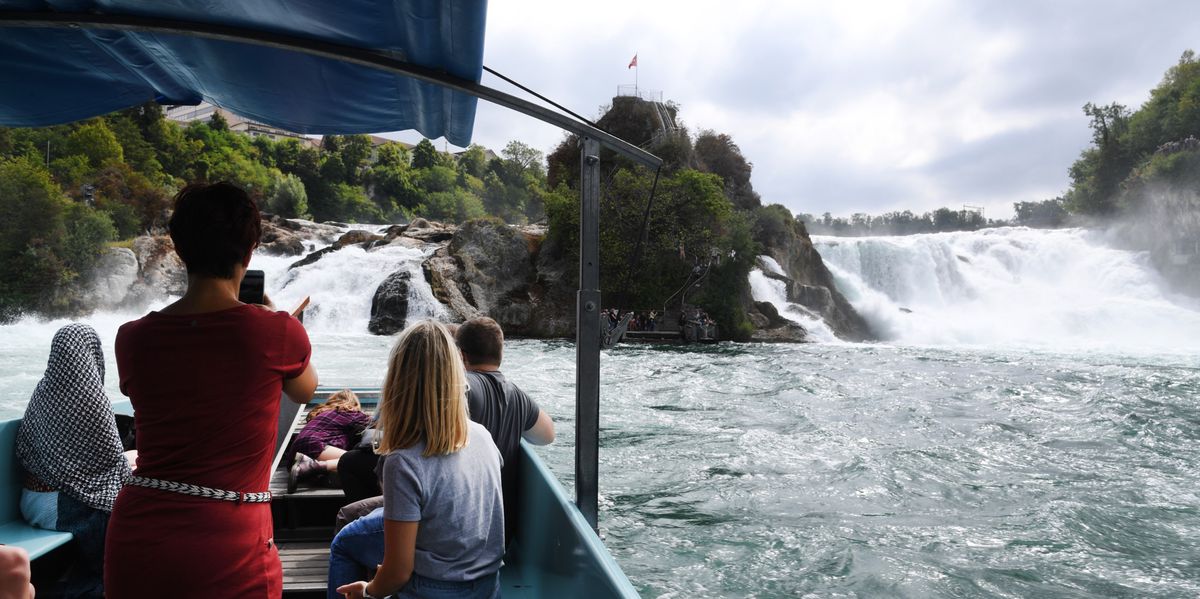
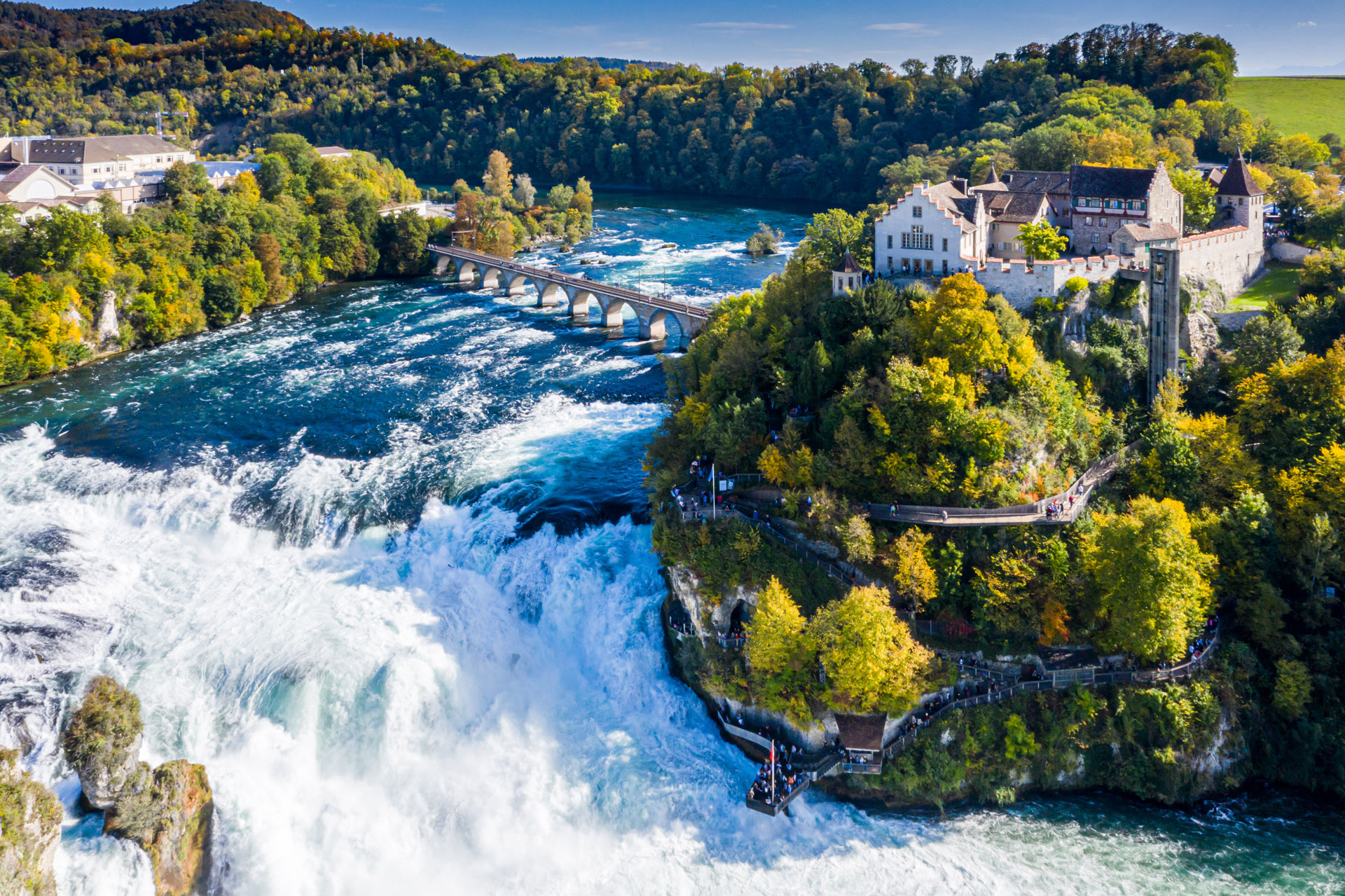
The Rhine Falls, Europe’s most powerful waterfall, stands as a cornerstone of Swiss tourism and a natural landmark of immense cultural significance. Located on the High Rhine between the municipalities of Neuhausen am Rheinfall and Laufen-Uhwiesen, the site has long balanced public accessibility with the high costs of infrastructure maintenance and conservation. As tourism numbers fluctuate and operational expenses rise, local authorities are exploring a significant shift in the site’s management structure: transitioning toward a corporate model, specifically exploring the potential of a joint-stock company (Aktiengesellschaft) to streamline revenue generation and infrastructure investment.
For years, the financial model surrounding the falls has been a patchwork of parking fees, entry charges on the Laufen Castle side, and public funding. However, the current fiscal framework is increasingly viewed as inadequate to meet the demands of modern tourism management. Transitioning to a professionalized corporate structure—a move common among major Swiss tourist attractions—is intended to provide the agility needed to manage the site’s “Millionen-Investitionen” (multi-million investments) while ensuring the long-term sustainability of the surrounding environment, as reported by national media outlets tracking the proposal.
The Financial Rationale Behind the Corporate Shift
The core challenge facing the Rhine Falls administration is the disparity between visitor volume and revenue capture. While the falls attract over a million visitors annually, the current reliance on parking revenue has shown limitations. On the Schaffhausen side of the falls, access remains largely free, a policy that has been a point of contention for local policymakers who argue that the maintenance of paths, viewing platforms, and safety infrastructure requires a more robust and predictable funding stream. According to regional reports from Schaffhausen, the shift toward a formalized corporate structure is intended to unify these disparate revenue streams under a single management entity, allowing for more strategic investment in visitor experience and site safety.
This proposed “Aktiengesellschaft” model is not merely about increasing ticket prices; it is about centralizing the governance of the site. By forming a dedicated company, the municipalities and stakeholders involved aim to pool resources for capital expenditure projects that are currently difficult to finance through municipal budgets alone. These investments are projected to reach into the millions, covering everything from sustainable waste management to the modernization of viewing infrastructure, which requires high-level coordination and long-term financial planning.
Balancing Public Access and Economic Sustainability
The prospect of moving toward a corporate model has sparked a broader debate in the canton of Schaffhausen regarding the “right to roam” and the nature of public spaces. Unlike the Laufen side, which is privately owned and requires an entry fee, the Schaffhausen side serves as a vital public resource. Critics of the proposed corporate shift express concern that commercialization could erode the site’s accessibility. However, proponents argue that without a more professionalized management structure, the quality of the visitor experience could decline, ultimately harming the regional economy that relies heavily on the steady flow of tourism to the falls.

Recent discussions among local officials highlight the necessity of maintaining a balance. As documented by the City of Schaffhausen’s official communications, any transition to a corporate entity would likely necessitate a clear mandate that protects the public interest while ensuring that the site remains financially solvent. The goal is to move away from a reliance on fluctuating parking revenue and toward a more diversified model, potentially including specialized services, enhanced retail experiences, and tiered ticketing options that reflect the varied needs of international tourists versus local residents.
What It Means for Stakeholders
If the transition to a joint-stock company proceeds, several key stakeholders will be affected, each with distinct interests:
- Local Municipalities: These bodies will likely become primary shareholders, allowing them to retain a degree of oversight while offloading day-to-day operational risks to a dedicated management board.
- Regional Businesses: Hospitality and retail sectors surrounding the falls stand to benefit from more consistent site management and potential increases in visitor dwell time, provided the infrastructure upgrades are successful.
- International Tourists: While the era of “free” access may face limitations, visitors can expect improved facilities, better safety signage, and potentially more efficient crowd management strategies.
The transformation of such an iconic site is a complex undertaking that requires legislative approval and public consensus. The Canton of Schaffhausen continues to monitor these developments, as any change in the legal status of the site will require adherence to strict cantonal and federal regulations governing natural landmarks and public land usage.
Looking Ahead: The Path Toward Implementation
The timeline for this transition remains subject to ongoing negotiations. As of the most recent updates, stakeholders are in the phase of feasibility studies and strategic planning. The next major checkpoint will involve the publication of a detailed business plan and a subsequent vote or hearing by the municipal councils involved. This process is essential to ensure that the proposed “Aktiengesellschaft” complies with local ordinances and that the interests of the public are adequately represented in the new corporate charter.
For those interested in following the progress of these reforms, official updates will be posted via the municipal portals of Schaffhausen and through the official Rhine Falls tourism information channels. As we move closer to the next phase of this development, the Rhine Falls is entering a new era of management—one where the majesty of nature must increasingly coexist with the practical realities of modern economic stewardship.
What are your thoughts on balancing the commercialization of natural landmarks with public access? Join the conversation in the comments section below and share this analysis with your network as we continue to monitor the financial future of the Rhine Falls.
Keep reading