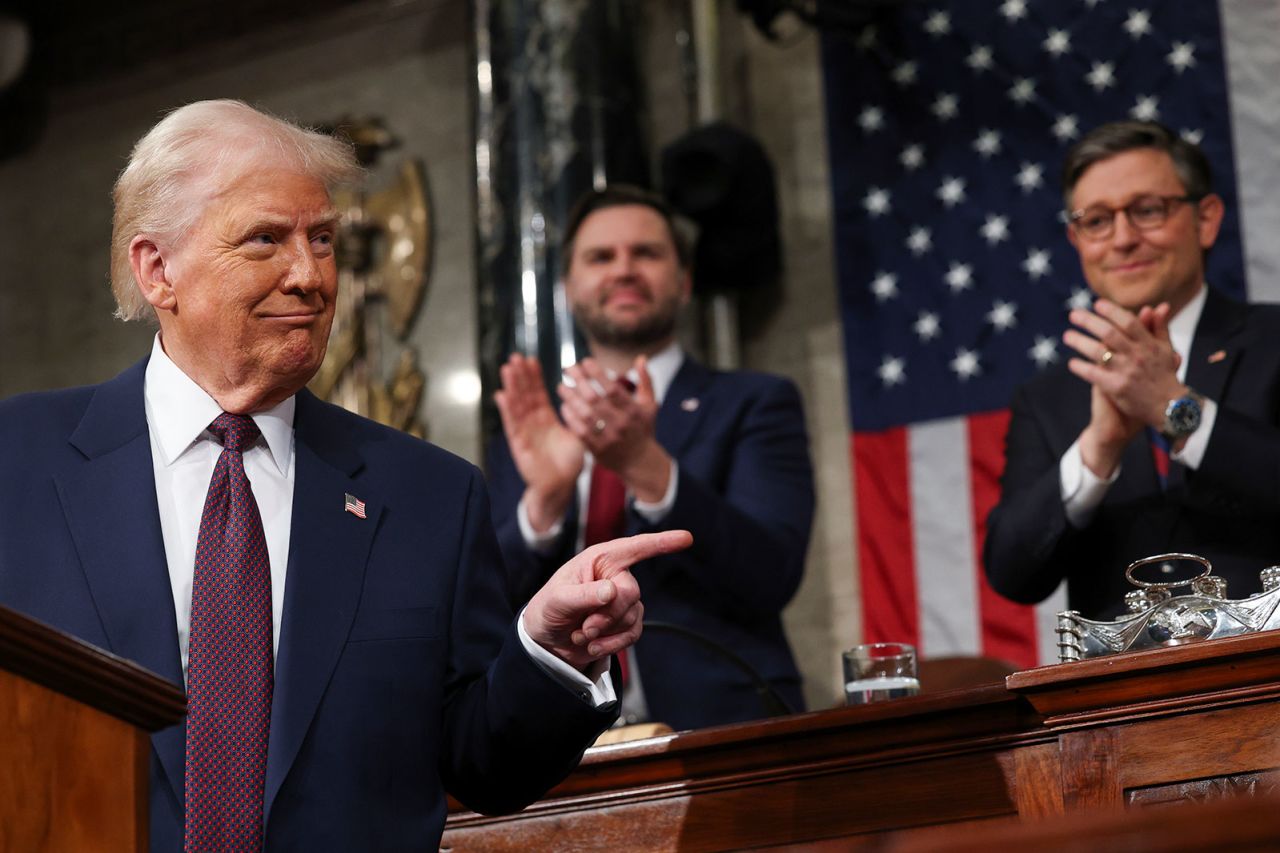
As the administration of President Donald Trump navigates an intensifying geopolitical landscape, the White House is facing mounting pressure regarding the ongoing conflict in Iran. While the President has maintained that he is comfortable with the current strategic holding pattern, domestic friction is growing. Lawmakers in Washington are increasingly vocal, raising concerns that the administration’s original framing of the situation—characterized as a brief military incursion—is evolving into a more complex and potentially open-ended entanglement.
This evolving friction marks a significant shift in the U.S. Approach to the conflict, as the executive branch finds its policy options narrowing. The concern among both allies and critics is that the President risks being boxed into a scenario that lacks a clear exit strategy, prompting a legislative pushback that threatens to complicate the administration’s foreign policy agenda. According to reports from the Associated Press, the administration’s internal and external communications are currently under heavy scrutiny as the situation in the region remains fluid.
Navigating Legislative Resistance and Strategic Challenges
The resistance within Congress is not merely a matter of political posturing but reflects a deeper unease regarding executive authority in military engagements. As the conflict persists, members of Congress are demanding greater oversight and clarity on the administration’s long-term objectives. This legislative tension comes at a time when the White House is also managing a series of high-level personnel changes, which some analysts suggest could impact the coherence of the administration’s national security strategy.
For instance, the President recently announced his intention to nominate Todd Blanche to serve as Attorney General, a move that will likely trigger a rigorous confirmation process in the Senate. Such appointments typically require extensive vetting, and the timing of this nomination amidst foreign policy debates adds another layer of complexity to the administration’s legislative calendar. Further details on the administration’s current appointments can be tracked via official updates from the Associated Press.
Personnel Shifts and Institutional Oversight
Beyond the legislative pushback, the administration is contending with internal staffing adjustments that have drawn public and congressional attention. The recent decision to tap housing regulator Pulte as the acting director of national intelligence is one such move that has prompted questions regarding the transition of leadership within the intelligence community. These personnel shifts occur against a backdrop of broader institutional questions, including ongoing discussions regarding the transparency of the executive branch.
Simultaneously, the Treasury Department has faced inquiries regarding the President’s financial disclosures and tax transparency. Treasury Secretary Scott Bessent has notably declined to confirm whether the President remains exempt from IRS audits, a point of contention that further complicates the administration’s relationship with oversight committees. These institutional developments, detailed in the latest AP News updates, illustrate the wide-ranging challenges the White House must address as it seeks to maintain its policy momentum.
Looking Ahead: The Path Toward Policy Clarity
The coming weeks will be critical as the administration attempts to balance its foreign policy goals in Iran with a fractured legislative environment at home. Observers are particularly focused on whether the White House will provide a more detailed roadmap for its military and diplomatic strategy in the region to appease skeptical lawmakers.
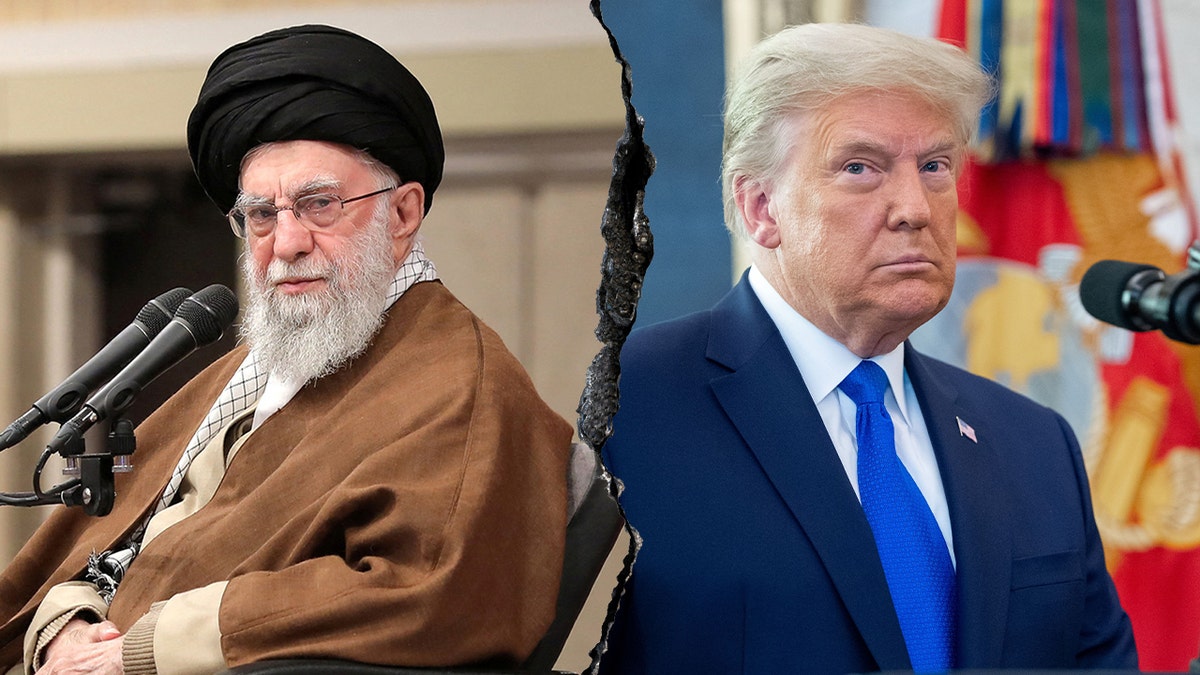
While the administration remains in a holding pattern, the pressure to demonstrate progress is mounting. The intersection of domestic oversight, such as the ongoing analysis of congressional retirement trends and legislative turnover, suggests that the political environment in Washington is poised for continued volatility. Stakeholders and international partners are advised to monitor official White House statements and upcoming congressional hearings for definitive shifts in strategy. We will continue to provide updates as new information becomes available from official legislative and executive channels. We invite our readers to join the conversation in the comments section below regarding the implications of these developments for global stability.
Keep reading
- US-Venezuela Talks: A Step Toward Political Reconciliation After Maduro’s Ouster
- Germany’s Transport Minister Resigns: Steffen Bilger Named as Successor amid Political Turmoil
- US Crypto Ownership Drops Despite Trump Push and ETFs (archyworldys.com)
- Trump Ordina Pausa Negli Attacchi Stati Unitesi contro l’Iran (archynewsy.com)