
In the landscape of public health policy, the strategy of harm reduction often serves as a critical bridge between vulnerable populations and the medical establishment. This year, the Region of Jönköping County in Sweden marks a significant milestone: a decade of providing safe needle exchange programs. These initiatives, designed to prevent the spread of blood-borne pathogens such as HIV and Hepatitis C, have become a cornerstone of the region’s approach to addiction medicine and infectious disease control.
As a physician, I have witnessed how shifting the focus from purely punitive measures to health-centered interventions can alter the trajectory of a community’s wellbeing. The 10-year anniversary of the needle exchange in Jönköping is not merely a temporal marker; it is a testament to the evolution of evidence-based healthcare policy in Sweden. By ensuring that individuals who inject drugs have access to sterile equipment, the region has effectively lowered the threshold for contact with healthcare professionals, facilitating not only disease prevention but also entry into treatment for substance use disorders.
The implementation of these programs is governed by the national Law (2006:323) on the exchange of syringes and needles, which mandates that such activities must be conducted in a way that promotes health and reduces the risk of spreading infectious diseases. Since its inception in Jönköping, the program has operated under these strict regulatory frameworks to ensure clinical safety and public health security.
The Evolution of Harm Reduction in Sweden
Harm reduction, as a public health strategy, has historically faced complex debates regarding its role in society. However, the Swedish approach has matured significantly over the past two decades. According to the Public Health Agency of Sweden (Folkhälsomyndigheten), needle exchange programs are vital components of a comprehensive strategy to manage the epidemiological risks associated with intravenous drug use. These programs provide more than just equipment; they serve as a gateway to testing, counseling, and medical follow-ups, which are essential for long-term health outcomes.
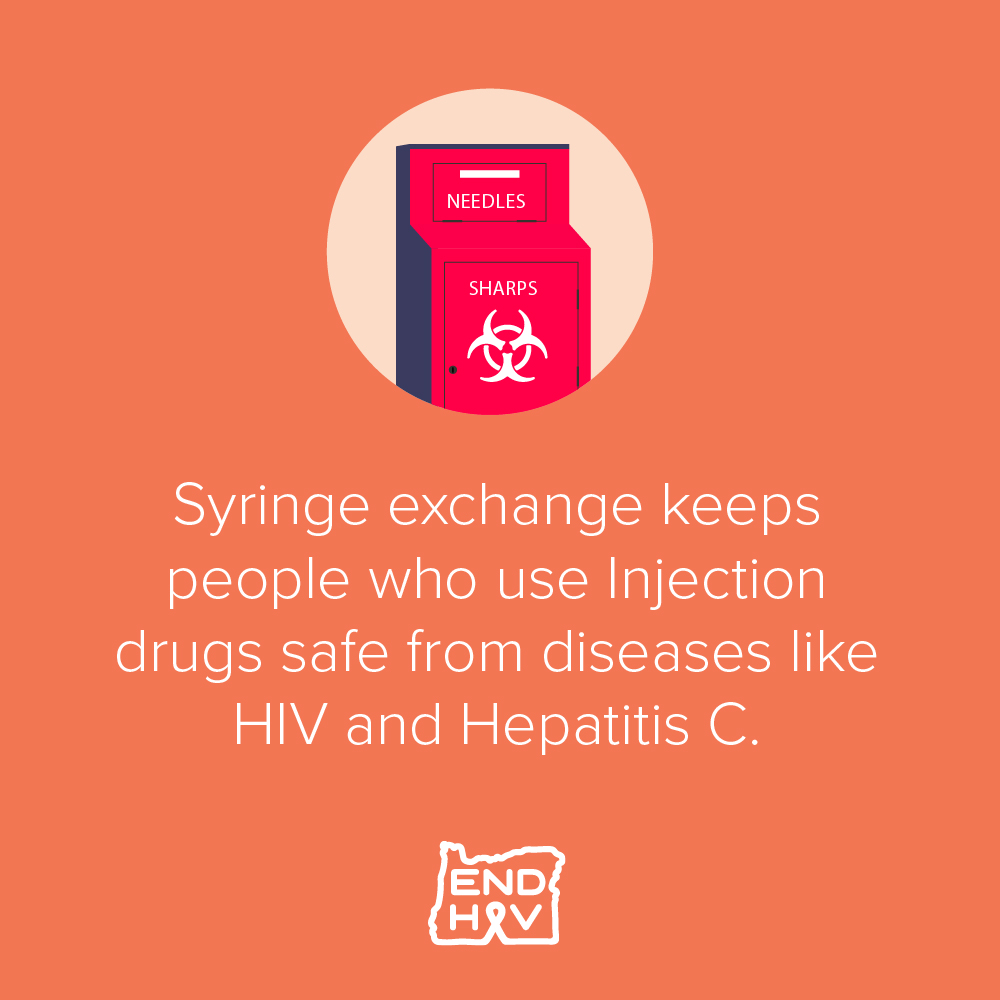
The Jönköping program, like many others in Sweden, integrates these services within existing infectious disease clinics. This integration is crucial. It minimizes stigma and ensures that participants are treated within a clinical environment where they can be monitored for other health conditions. A decade of data suggests that when healthcare systems prioritize access, the prevalence of preventable infections among this population remains significantly lower than in settings where such access is restricted.
Clinical Impact and Public Health Outcomes
The primary goal of the needle exchange is to interrupt the transmission chains of viruses such as HIV, Hepatitis B, and Hepatitis C. The effectiveness of these programs is measured not only by the number of needles exchanged but by the sustained low rates of new infections among individuals who inject drugs. In Region Jönköping, the program has maintained a consistent focus on this objective, supported by local infectious disease specialists who prioritize proactive screening and immediate linkage to care.

Beyond infectious diseases, the program has fostered trust. For many, the health clinic is the only point of consistent interaction with the healthcare system. By meeting patients where they are, staff can address acute medical needs, provide vaccinations, and offer referrals to addiction treatment services. This holistic approach is consistent with the global standards advocated by organizations like the World Health Organization, which recognizes needle and syringe programs as an essential component of HIV prevention for people who inject drugs.
Key Takeaways: A Decade of Progress
- Disease Prevention: The primary outcome of the Jönköping initiative has been the measurable reduction in blood-borne virus transmission, contributing to the overall public health stability of the region.
- Healthcare Access: The program acts as a low-threshold entry point, connecting individuals with essential medical services, mental health support, and addiction treatment.
- Evidence-Based Policy: The decade-long operation reflects the successful application of the 2006 Swedish legislation, balancing clinical safety with community health needs.
- Reduced Stigma: By placing services within established medical facilities, the region has helped normalize the treatment of substance use as a health issue rather than a moral failing.
Looking Toward the Future of Regional Health
As Region Jönköping moves into its second decade of this program, the focus is shifting toward long-term sustainability and the integration of emerging digital health tools. The challenge for healthcare providers remains the same: how to reach those who are most marginalized. Continuous staff training and the adaptation of services based on current epidemiological trends are essential to maintaining the effectiveness of these interventions.
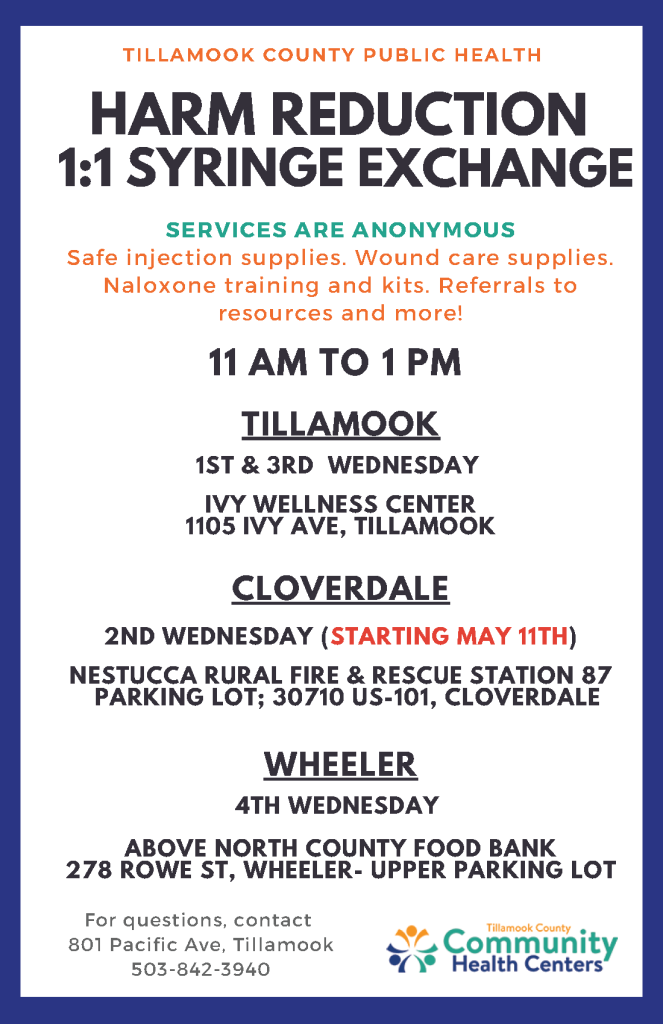
The success in Jönköping serves as a case study for other regions and countries evaluating their own harm reduction strategies. It demonstrates that when medical institutions are empowered to lead public health interventions with a focus on clinical safety and patient dignity, the entire community benefits. The reduction of infectious disease prevalence is a gain for the individual, but it is also a significant reduction in the long-term economic and social burden on the public healthcare system.
For those interested in the official progress reports and future health strategies of the region, the official portal of Region Jönköping County provides periodic updates on public health initiatives and clinical service developments. As we look at the data from the past ten years, the conclusion is clear: investing in safe, clinical, and accessible health services is the most effective way to protect the health of our communities.
What are your thoughts on the role of harm reduction in modern healthcare? I invite our readers to join the conversation and share their perspectives on how we can continue to improve public health outreach for all.
Worth a look