
For decades, the hierarchy of Asian football was defined by predictable patterns and established powerhouses. However, a seismic shift is underway. As the footballing world turns its gaze toward the 2026 FIFA World Cup in North America, one nation has emerged not merely as a participant, but as the continent’s standard-bearer: Japan. The “Samurai Blue” are no longer content with regional dominance; they are increasingly viewed as a side capable of disrupting the established order on the global stage.
This evolution from the underdog status they held during their 1998 debut to the tactical juggernaut they are today represents more than just athletic improvement. It is the result of a decades-long strategic investment in youth development, a seamless integration of talent into Europe’s elite leagues, and a tactical identity that has become respected—and feared—by traditional giants like Germany and Spain.
As the qualification process for the 2026 tournament intensifies, the question facing the Asian Football Confederation (AFC) is no longer whether Japan can compete, but how much further their ascent will take them. The emergence of Japan as the “strongest in Asia” is a phenomenon that blends sporting excellence with a broader narrative of national discipline and globalized talent.
From Underdogs to Heavyweights: A Historical Context
To understand the current momentum of the Japanese national team, one must look back at the milestones that defined their trajectory. Japan’s journey on the world stage began in earnest during the 1998 FIFA World Cup in France. At that time, the nation was viewed as a newcomer, a team looking to find its footing among the world’s elite. While that era was marked by a learning curve, it laid the foundational groundwork for the professionalization of the sport within the country.
The turning point in the perception of Japanese football came during the 2022 FIFA World Cup in Qatar. In a series of results that stunned the sporting world, Japan secured decisive victories over perennial powerhouses Germany and Spain. These were not mere “fluke” wins; they were masterclasses in tactical discipline, high-intensity pressing, and clinical execution. According to reports from Reuters regarding their historic performance, these victories signaled a fundamental shift in how Asian teams are perceived by the global footballing community.
This leap in quality has been reflected in their standing within the FIFA Men’s World Rankings, where Japan consistently maintains a position among the top tier of Asian nations, often hovering within the top 20 globally. This ranking is a tangible metric of their ability to compete not just within the AFC, but against the highest-rated nations in the world.
The European Catalyst: A New Generation of Talent
Perhaps the most significant driver of Japan’s recent success is the “Europeanization” of its roster. Unlike previous generations, where Japanese players often struggled to adapt to the physicality and pace of European leagues, the current crop of talent is thriving in some of the world’s most competitive environments. This influx of experience has fundamentally altered the team’s technical ceiling.
Key players now form the backbone of top-flight clubs in the English Premier League, the German Bundesliga, and Spain’s La Liga. This exposure to high-pressure, elite-level football means that when these players assemble for international duty, they bring a level of tactical maturity and professional intensity that was previously lacking. The ability to maintain composure in “single-game showdowns”—the high-stakes knockout scenarios that define tournament football—is a direct byproduct of this experience.
The depth of this talent pool is unprecedented. While previous iterations of the Samurai Blue relied heavily on a few standout stars, the current squad possesses a rotational depth that allows for sustained high-intensity play throughout a 90-minute match. This depth is critical as the 2026 World Cup expands to a 48-team format, necessitating greater physical and mental endurance over a longer tournament schedule.
Key Players Driving the Momentum
- Kaoru Mitoma: A dynamic winger whose success in the Premier League has made him one of the most feared attackers in Asia.
- Wataru Endo: A midfield anchor whose leadership and defensive intelligence have been honed in the highest levels of European competition.
- Takefusa Kubo: A creative force whose technical ability and vision represent the modern archetype of the Japanese playmaker.
Tactical Sophistication and the Moriyasu Era
Under the stewardship of manager Hajime Moriyasu, Japan has developed a distinct tactical identity. Moving away from a purely reactive style of play, the Samurai Blue have embraced a proactive, possession-oriented approach characterized by rapid transitions and aggressive pressing. This “modern” style is designed to neutralize opponents who rely on physical dominance by using superior movement and technical precision.
Moriyasu’s leadership has been defined by stability and a clear vision. In an era where many national teams undergo frequent coaching changes, the continuity provided by Moriyasu has allowed for the implementation of a cohesive philosophy. This tactical consistency is evident in how the team manages the tempo of a match, knowing when to exert pressure and when to control the ball to frustrate opponents.
the integration of data analytics and modern sports science within the Japanese setup has provided a competitive edge. From injury prevention to tactical modeling, the emphasis on precision extends beyond the pitch and into the remarkably preparation of the squad. This holistic approach to football management is a cornerstone of why Japan is now considered the standard for Asian football development.
The 2026 Horizon: Navigating the Road to North America
As the AFC qualification process enters its critical stages, the path to the 2026 World Cup presents both opportunities and challenges. The expansion of the tournament means more slots for Asian nations, theoretically easing the path for some, but the increased competition within the region remains fierce. Rivals such as South Korea, Iran, and Australia continue to pose significant threats, ensuring that no qualification is guaranteed without significant effort.
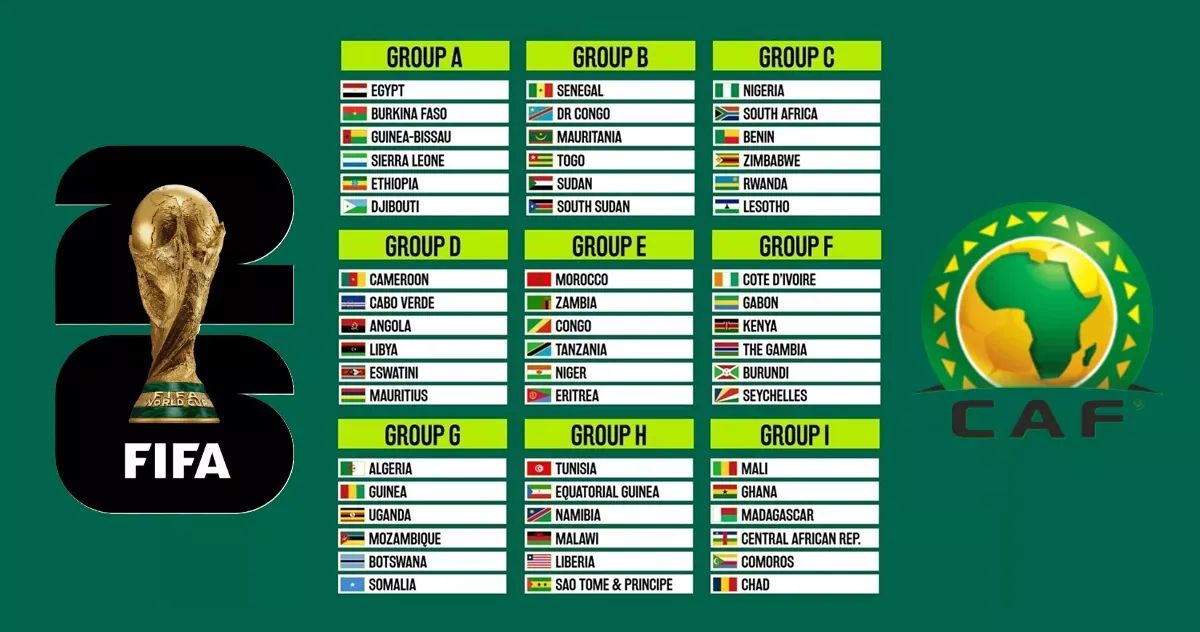
For Japan, the focus is on maintaining the momentum gained from their recent successes. The upcoming matches in the third round of the qualifiers will serve as a litmus test for the squad’s readiness for the North American stage. The challenge will be to avoid complacency and to continue evolving their tactical framework to meet the diverse styles of play encountered in the AFC.
The 2026 tournament, hosted by Canada, Mexico, and the United States, will be a massive logistical and competitive undertaking. For Japan, success in North America will be measured not just by progression through the group stages, but by their ability to challenge the traditional hierarchy of world football in a way that leaves a lasting impact on the sport.
| Tournament | Host Country | Key Achievement | Notable Results |
|---|---|---|---|
| 1998 | France | First Appearance | Group Stage |
| 2010 | South Africa | Round of 16 | Defeated Cameroon |
| 2022 | Qatar | Round of 16 | Defeated Germany & Spain |
Key Takeaways
- Strategic Growth: Japan’s rise is the result of long-term investment in infrastructure and youth development.
- European Influence: The high concentration of Japanese players in top European leagues has elevated the national team’s technical and tactical standards.
- Tactical Identity: Under Hajime Moriyasu, the team has moved toward a proactive, high-intensity style of play.
- Global Contender: Recent victories over major powers have shifted Japan’s status from an Asian underdog to a legitimate global competitor.
As the road to 2026 continues, all eyes will be on the Samurai Blue’s upcoming qualifying fixtures. The next major checkpoint for the team will be the conclusion of the current AFC qualification round, which will determine their seeding and preparation protocols for the tournament in North America.
What do you think about Japan’s rise in global football? Can they break into the quarter-finals in 2026? Share your thoughts in the comments below and share this article with your fellow football enthusiasts.
Worth a look