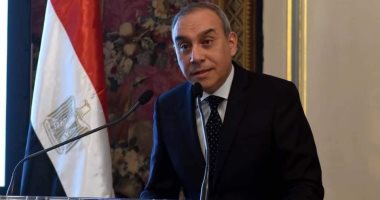
The Egyptian State Information Service has issued a formal response to recent international media coverage, specifically addressing reports concerning the treatment of Sudanese nationals residing in Egypt. As the conflict in Sudan continues to drive significant cross-border movement, the Egyptian government maintains that its policies are designed to provide comprehensive support and services to those who have sought refuge within its borders.
This official statement emphasizes that Egypt’s approach to the ongoing humanitarian situation is rooted in the historical and social ties between the two nations. Egyptian authorities have consistently rejected characterizations of their asylum framework that suggest a lack of support, asserting instead that they are actively facilitating access to essential services for the millions of displaced individuals currently hosted across the country. According to the Egyptian State Information Service, the government views these efforts as a fulfillment of its responsibilities toward regional stability and the welfare of the Sudanese people.
Addressing Humanitarian Needs and Regional Stability
The discourse surrounding the status of Sudanese refugees in Egypt often highlights the tension between the sheer scale of the displacement and the capacity of host nations to provide long-term infrastructure. The Egyptian government has sought to clarify that its support extends beyond mere entry, pointing to the integration of Sudanese nationals into local communities and their access to public resources. This stance is part of a broader diplomatic effort to manage the fallout of the Sudanese conflict, which has necessitated significant cooperation between Cairo and Khartoum on various fronts, including water security and humanitarian aid.
In a related development, the Egyptian Ministry of Water Resources and Irrigation has undertaken infrastructure projects aimed at bolstering water security in Sudan. Reports indicate the construction of 10 groundwater wells, a move framed as part of a bilateral strategy to support essential services in affected areas. This project reflects the multifaceted nature of the relationship, where diplomatic and technical cooperation continues despite the geopolitical challenges posed by the war. Further information on these intergovernmental initiatives can be tracked through official updates from the Ministry of Water Resources and Irrigation.
The Context of Displacement and Economic Integration
A critical component of the stability for many Sudanese families in Egypt involves the role of remittances and community-based support. Economic analysts have noted that the flow of financial resources from relatives abroad remains a vital lifeline for displaced populations, helping to mitigate the immediate impact of the economic displacement caused by the conflict. While the international community often focuses on formal aid programs, the resilience of these informal economic networks plays a significant role in the daily lives of those who have fled Sudan.
The Egyptian government maintains that its open-door policy, which has seen a large influx of individuals since the outbreak of hostilities, stands in contrast to more restrictive measures seen elsewhere. However, international observers and human rights organizations continue to monitor the implementation of national policies, including the December 2024 Asylum Law, which has been the subject of debate regarding its long-term implications for refugee status and legal protections. As outlined by the UN Refugee Agency (UNHCR) in Egypt, the challenge lies in balancing national security considerations with the fundamental rights and needs of the displaced population.
Future Outlook and Official Procedures
As Egypt moves forward with the implementation of its regulatory frameworks, the focus remains on how these policies will translate into on-the-ground outcomes for the Sudanese community. The development of bylaws associated with the new asylum legislation is expected to provide greater clarity on the rights and responsibilities of both the host state and the refugees. These procedural steps are highly anticipated by stakeholders, as they will define the operational environment for NGOs and international organizations working within the region.
For those seeking verified information regarding legal status, registration, or humanitarian assistance, the Egyptian government provides updates through its official portals. It remains essential for observers and the public to rely on verified data from official governmental bodies and established international agencies to navigate the complexities of this humanitarian situation. We will continue to monitor the progress of these administrative developments and report on any new official directives as they are released.
What are your thoughts on the evolving relationship between Egypt and its Sudanese refugee population? We encourage our readers to share their perspectives in the comments section below. For ongoing coverage of international affairs and regional developments, subscribe to our newsletter for the latest updates.
Worth a look