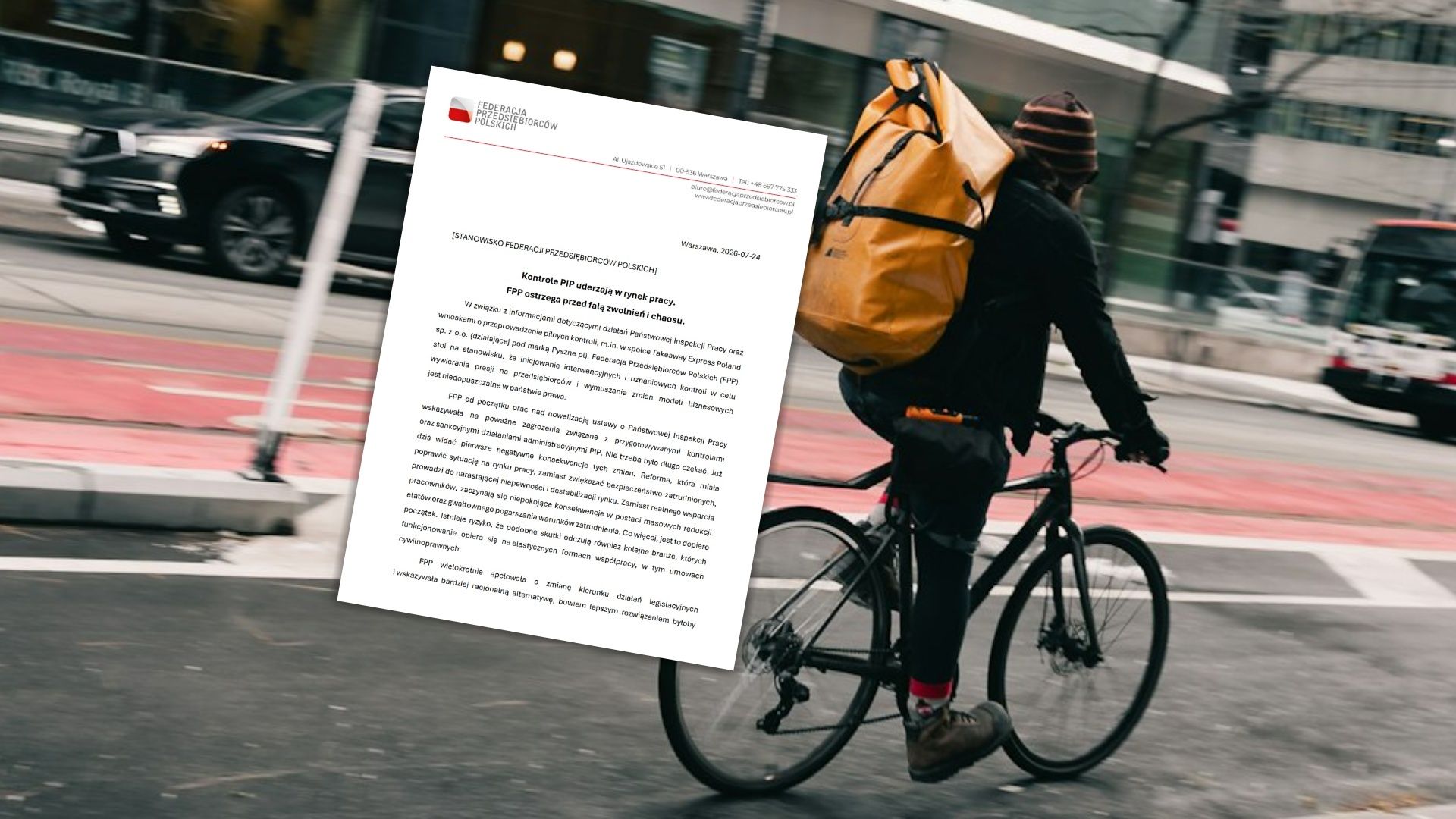
The regulatory shift stems from expanded inspection powers designed to combat labor misclassification, commonly referred to in Poland as “umowy śmieciowe” or junk contracts.
Expansion of Labor Inspection Powers and Scrutiny Targets
Państwowa Inspekcja Pracy has rolled out systematic checks aimed at identifying situations where contractors perform duties under conditions characteristic of a traditional subordinate workplace. Under current administrative frameworks, inspectors possess the authority to examine actual working conditions rather than relying solely on the formal title of a contract.
Recent enforcement guidelines indicate that certain professional sectors face heightened regulatory exposure.
Legal Challenges and Institutional Friction
The implementation of these expanded inspection mechanisms has generated significant legal and political friction. Critics point to ongoing constitutional questions regarding the scope of administrative oversight and the enforcement methods utilized by labor authorities.
Institutional pushback has also reached the highest levels of state governance. Poland’s executive branch recently engaged with the legislative framework governing inspection powers, reflecting deep divisions over how far labor authorities should go when examining civil and commercial agreements. These legal challenges underscore the complex tension between state regulators aiming to eliminate labor market abuses and business groups defending economic flexibility.
Practical Implications for Businesses and Contractors
For employers and independent professionals navigating the current regulatory climate, preparation remains critical. Legal advisors recommend that companies utilizing business-to-business contracts or civil law agreements thoroughly review their operational setups to ensure they reflect genuine independence. Documentation demonstrating independent scheduling, multiple clients, and autonomous equipment usage serves as vital protection during an inspection.
As the labor inspectorate continues its enforcement schedule across various economic sectors, stakeholders await further administrative clarifications and court rulings that will define the boundaries of legitimate contracting in Poland. Business organizations continue to press for clearer statutory definitions to protect stable economic activity from sudden regulatory shifts.
Worth a look