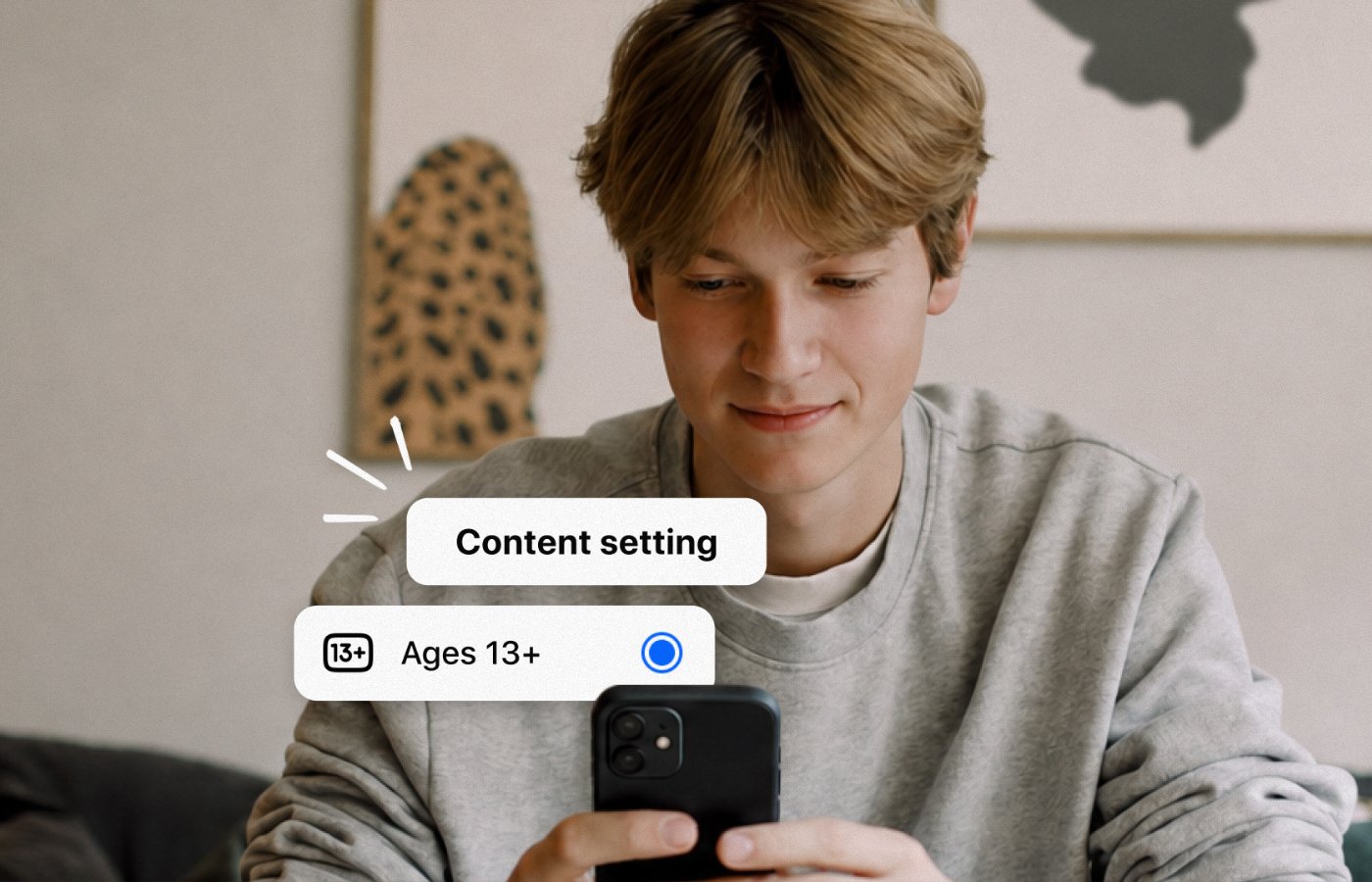
Meta is significantly expanding its safety guardrails for younger users, announcing the global rollout of its 13+ content settings across Instagram, Facebook, and Messenger. This move marks a major step in the company’s effort to standardize age-appropriate experiences for teenagers, building on the framework established during previous pilot programs in major English-speaking markets.
The decision to expand these settings comes as social media platforms face intensifying scrutiny regarding youth safety and digital wellbeing. By defaulting teen accounts into a more curated content environment, Meta aims to mitigate exposure to potentially inappropriate material while maintaining the core social features that drive engagement among younger demographics.
The expansion follows a successful implementation phase that began last October. During that period, Meta updated Instagram Teen Accounts in the United States, the United Kingdom, Australia, and Canada, defaulting those users into the new 13+ content setting. According to Meta’s official announcement, the rollout saw high adoption rates, with 9 out of 10 teens remaining in the 13+ setting since its initial launch.
Protecting Teens Across Instagram, Facebook, and Messenger
The new 13+ default setting is not a one-size-fits-all filter; rather, it is a multi-layered approach tailored to how different parts of the Meta ecosystem function. The implementation varies slightly between platforms to address specific user behaviors and content delivery methods.
On Facebook, the 13+ setting is designed to act as a proactive shield within the user’s primary discovery areas. The system is built to hide content deemed inappropriate for teenagers within the Feed and Reels. The update limits a teen’s ability to interact with Profiles, Pages, Groups, and Events that primarily share inappropriate content, effectively reducing the chances of teens stumbling into unmoderated or harmful digital spaces.
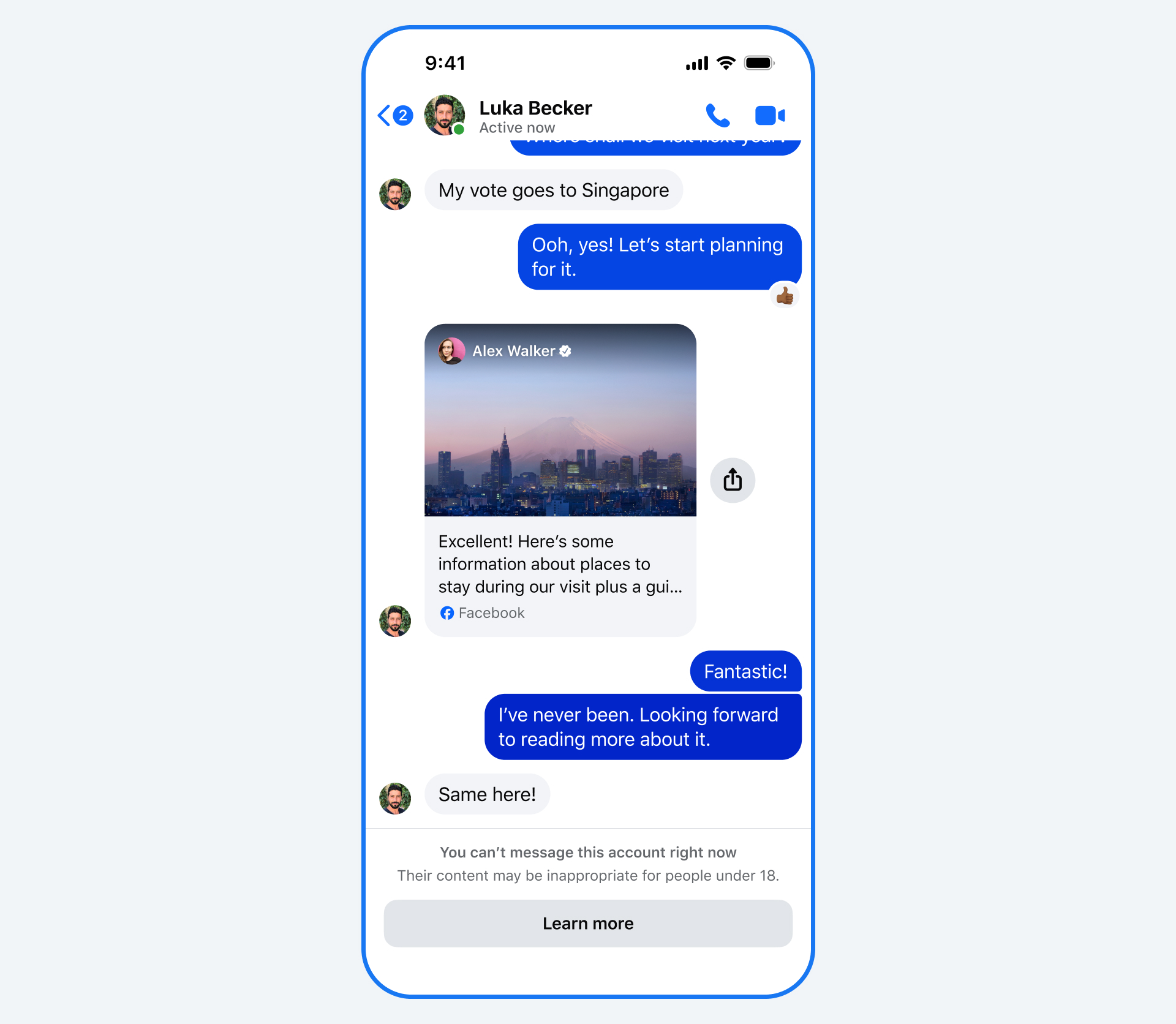
The Messenger experience has also been adjusted to prioritize safety in direct communication. The 13+ default setting on Messenger limits a teenager’s ability to view links that lead to inappropriate Facebook content. The platform is introducing restrictions on chatting with accounts that are identified as primarily sharing inappropriate content on Facebook, creating a buffer between minors and potentially problematic users.
For those seeking even more rigorous protections, Meta is also evolving its “Limited Content” setting. While the 13+ setting serves as the default, the Limited Content setting provides a stricter experience for parents who prefer more restrictive boundaries for their children. While this feature is already available for Instagram, Meta confirmed that the Limited Content setting will become available on both Facebook and Messenger later this year.
The Role of Parental Feedback and Content Ratings
A cornerstone of Meta’s current safety strategy is the integration of human oversight through parental feedback. The company has leaned heavily on data gathered from its community to refine its automated moderation systems. To date, Meta reports that hundreds of thousands of parents have participated in rating content on Facebook and Instagram, contributing to the review of more than 15 million pieces of content.
This massive scale of human-led rating helps calibrate the algorithms that determine what is “age-appropriate.” The company noted that its settings were inspired by traditional movie rating criteria, a familiar standard for parents when navigating media consumption.
The effectiveness of these measures was highlighted in a recent survey conducted at the end of April. In this study, parents in the US, UK, Australia, and Canada reviewed Facebook content that had been recommended to teens within their respective countries. The results indicated a high level of accuracy in Meta’s current recommendation engines, with fewer than 2% of the reviewed posts being considered inappropriate for teens by the majority of parents.
Key Features of the Global 13+ Setting Expansion
| Platform | Primary Safety Mechanism | Scope of Protection |
|---|---|---|
| Content Hiding & Interaction Limits | Feed, Reels, Profiles, Pages, Groups, and Events | |
| Messenger | Link & Chat Restrictions | Inappropriate Facebook links and accounts sharing inappropriate content |
| Default 13+ Settings & Repeated Exposure Testing | Content recommendations and sensitivity to repeated content types |
Ongoing Testing: Addressing Repeated Content Exposure
Beyond the global expansion of existing settings, Meta is also actively testing new technical guardrails to address the nuances of algorithmic consumption. One of the primary concerns for digital wellbeing is the “rabbit hole” effect—where a user is repeatedly exposed to the same type of sensitive or potentially harmful content.
To combat this, Meta is currently testing a new feature on Instagram designed to ensure that teens are not repeatedly seeing certain types of content. This testing phase aims to break the cycle of repetitive content consumption, providing a more diverse and balanced feed that prevents the reinforcement of specific, potentially sensitive themes.
As these features continue to roll out, the focus remains on balancing user experience with the necessary friction required to keep younger users safe. The transition from regional pilots to a global standard suggests that Meta is moving toward a permanent, unified architecture for teen safety across its major social platforms.
The next major milestone for this safety initiative will be the scheduled release of the Limited Content setting for Facebook and Messenger, which is expected to arrive later in 2026.
What are your thoughts on these new default settings? Do you believe platform-wide defaults are the right way to manage youth safety? Let us know in the comments below and share this article with your network.
Keep reading