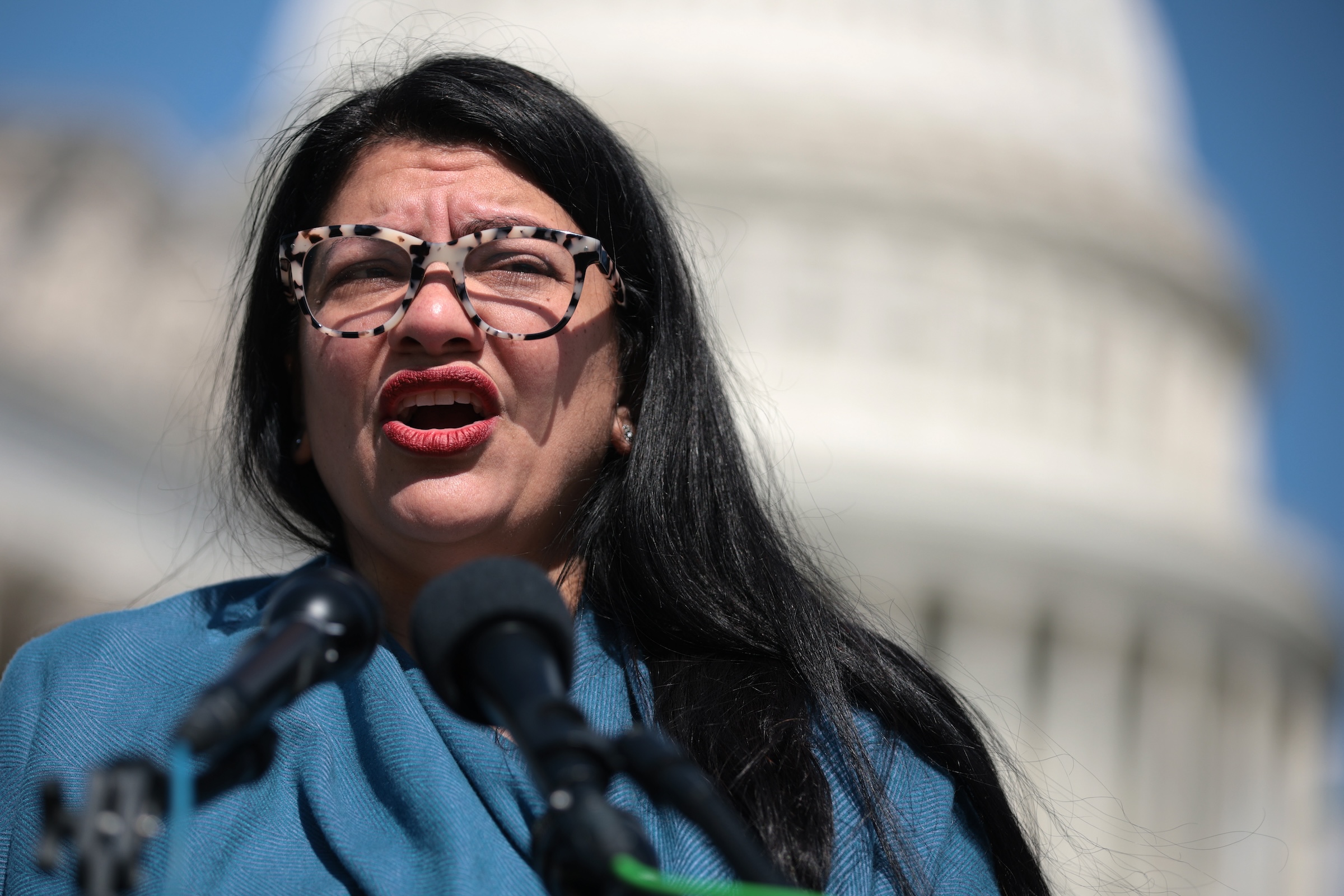
The escalating tensions in the Middle East have found a new, volatile flashpoint within the halls of the United States House of Representatives. A growing rift is widening between the progressive wing of the Democratic Party and its mainstream leadership as a controversial war powers resolution moves toward a vote. At the center of the storm is Michigan Representative Rashida Tlaib, whose push to limit American military and intelligence involvement in the burgeoning conflict in Lebanon has reportedly unsettled many within her own party.
The resolution, which seeks to curb United States support for Israeli military operations in Lebanon, represents a significant challenge to the current administration’s foreign policy framework. As the House prepares for a decisive vote, the debate is no longer just about the geopolitical realities of the Levant. it has become a litmus test for the Democratic Party’s ability to maintain unity amidst a fractured electorate and a rapidly changing security landscape.
While the specifics of the legislative language continue to undergo scrutiny, the core intent is clear: to invoke the War Powers Resolution to restrict the executive branch’s ability to provide unconditional support for Israel’s military actions against Hezbollah. This move comes at a time when the conflict between Israel and the Lebanese-based group has seen a dramatic intensification, raising fears of a wider regional war that could draw the United States into direct military engagement.
A Growing Divide: The Intra-Party Friction
The reported dissatisfaction among Democratic lawmakers highlights a deepening ideological schism. For many in the party’s mainstream and leadership circles, the resolution is viewed as a potential disruption to established diplomatic channels and a weakening of the strategic alliance between Washington and Jerusalem. Critics within the party argue that such measures could undermine regional stability and signal a lack of cohesion to both allies and adversaries.

Conversely, Representative Tlaib and her supporters argue that the resolution is a necessary check on executive power. They contend that the United States must move away from a policy of unconditional military assistance and instead prioritize diplomatic de-escalation and humanitarian concerns. This faction of the party maintains that the current trajectory of U.S. Involvement risks entrenching a cycle of violence that serves neither American interests nor the stability of the Middle East.
This tension is not merely theoretical; it carries significant political weight. As the Democratic Party prepares for critical election cycles, the handling of the Israel-Lebanon conflict is expected to be a defining issue for voters, particularly within progressive strongholds. The ability of leadership to manage this internal dissent will likely dictate the party’s messaging on foreign intervention for the foreseeable future.
The Mechanics of the War Powers Resolution
To understand the gravity of Tlaib’s proposal, one must look at the legal framework of the War Powers Resolution of 1973. Originally designed to limit the President’s ability to commit U.S. Forces to armed conflict without congressional consent, the Act has become a primary tool for lawmakers seeking to assert legislative oversight over military engagements.
A resolution passed under this authority would effectively mandate that the President cease certain types of assistance—ranging from intelligence sharing and munitions transfers to logistical support—that facilitate military operations in Lebanon. By leveraging this specific legal mechanism, the resolution aims to create a statutory barrier that the executive branch cannot easily bypass without direct congressional authorization.
The implementation of such a resolution would represent a major shift in how the U.S. Manages its “special relationship” with Israel during active hostilities. It would force a transition from a policy of broad, proactive support to one of strictly defined, reactive participation, fundamentally altering the calculus for both the White House and the Israeli defense establishment.
Strategic Stakes: The Israel-Hezbollah Conflict
The legislative battle in Washington is a direct reflection of the deteriorating security situation in Lebanon. The conflict between Israel and Hezbollah has transitioned from a series of sporadic border skirmishes into a high-intensity military confrontation. Israel’s stated objective is to push Hezbollah forces back from the Blue Line, the UN-recognized border, to allow displaced Israeli civilians to return to their homes in the north.
Hezbollah, a powerful paramilitary and political organization backed by Iran, has responded with significant rocket and drone barrages into northern Israel, asserting that its actions are a response to Israeli strikes in Gaza and Lebanon. The scale of the weaponry involved and the precision of the strikes have raised the stakes for all regional actors, including the United States, which has a vested interest in preventing a full-scale regional conflagration.
For the United States, the dilemma is twofold. On one hand, there is a long-standing commitment to Israel’s security and the need to deter Iranian-backed proxies. On the other, there is a growing recognition of the humanitarian catastrophe in Lebanon and the danger of being pulled into a “forever war” that lacks a clear exit strategy. Tlaib’s resolution targets this exact intersection of strategic commitment and the risk of unintended escalation.
Key Elements of the Proposed Resolution
- Limitation of Military Aid: Prohibiting the transfer of offensive weaponry intended for use in Lebanese territory.
- Intelligence Restrictions: Limiting the scope of real-time intelligence sharing that assists in targeting operations within Lebanon.
- Executive Accountability: Requiring the President to provide formal justifications to Congress for any continued involvement in the region.
- Diplomatic Primacy: Mandating a shift in resources toward UN-led mediation efforts to establish a ceasefire.
The Humanitarian and Geopolitical Impact
Beyond the tactical military considerations, the resolution touches upon the profound humanitarian implications of the conflict. The escalation in Lebanon has already resulted in significant civilian displacement and the destruction of infrastructure. Proponents of the resolution argue that by limiting U.S. Involvement, the international community can exert more effective pressure on all parties to adhere to international law and prioritize civilian safety.
From a geopolitical perspective, the outcome of this vote will signal to the world how the United States intends to navigate the “gray zone” of conflict—where military action is often conducted through proxies and limited strikes rather than declared wars. If the resolution passes, it would mark a significant retreat from the era of robust, unilateral military support, signaling a more cautious, multi-lateral approach to Middle Eastern crises.
However, skeptics warn that a reduction in U.S. Support could create a power vacuum. They argue that if the United States steps back, it may inadvertently embolden Hezbollah or allow Iranian influence to expand further in the Levant, ultimately making the region less stable and more dangerous for American interests in the long term.
What Happens Next?
The upcoming vote in the House of Representatives will be a watershed moment for the current Congress. The outcome will not only determine the immediate level of U.S. Involvement in the Lebanon conflict but will also serve as a definitive indicator of the Democratic Party’s internal direction on Middle East policy.
Political analysts are closely watching the movements of moderate Democrats in swing districts, whose votes may prove decisive. The debate is expected to intensify in the coming days as both sides attempt to frame the resolution as either a necessary peace-seeking measure or a dangerous abandonment of a key ally.
Next Scheduled Action: The House of Representatives is expected to hold the formal vote on the resolution later this week. Official updates regarding the vote tally and any subsequent legislative amendments will be released through the House Clerk’s office and major news wires following the session.
What do you think about the growing divide within the Democratic Party over this resolution? Should the U.S. Limit its involvement in the Lebanon conflict? Let us know your thoughts in the comments below and share this article to join the conversation.
Keep reading