
In the pantheon of body horror cinema, few films have left a more indelible mark on the psyche of audiences than David Cronenberg’s 1979 cult classic, The Brood. Often discussed for its visceral imagery and psychological intensity, the film explores the terrifying intersection of repressed trauma and physical manifestation. For those revisiting the film or discovering it for the first time, the central mystery—the identity of the compact, childlike creatures terrorizing the characters—remains a masterclass in narrative tension and genre subversion.
At its core, the story follows Nola Carveth, a woman undergoing a radical, experimental psychiatric treatment known as “psychoplasmics” at the Somafree Institute. Led by the charismatic yet ominous Dr. Hal Raglan, the therapy encourages patients to physically manifest their internal rage. As Nola delves deeper into her past, she inadvertently gives birth to a series of vengeful, child-like entities that carry out her subconscious impulses. Understanding the nature of these grotesque killers in the form of children requires looking past the horror tropes and into the thematic depth Cronenberg intended for this deeply personal project.
The film, which was released in Canada in May 1979 and later saw a broader North American release, remains a cornerstone of the director’s early filmography. According to the British Film Institute, The Brood was heavily influenced by Cronenberg’s own painful divorce and custody battle, transforming his private anxieties into a nightmarish vision of domestic disintegration. By grounding the supernatural elements in the harsh reality of human emotion, Cronenberg ensures that the “monsters” are not merely villains, but tragic, biological symptoms of a broken psyche.
The Origins of Psychoplasmics and the Birth of the Brood
The narrative mechanism driving the horror is the Somafree Institute, an establishment where the boundaries between mind and body are intentionally blurred. Dr. Hal Raglan, played by Oliver Reed, serves as the architect of this psychological experiment. His theory posits that by forcing patients to confront their suppressed emotions, the body can literally “grow” the physical byproduct of that trauma. In the case of Nola Carveth, played by Samantha Eggar, her profound feelings of abandonment and rage toward her husband and mother manifest as a secondary, external womb.

These creatures, which appear to be small, distorted children, are essentially the physical embodiment of Nola’s “brood.” They lack individual consciousness or moral agency; they are telepathically tethered to Nola’s emotional state. When she experiences anger, they act. When she feels threatened, they hunt. This biological link is central to the film’s status as a quintessential work of “body horror,” a subgenre Cronenberg helped define. The film’s production, which took place in and around Toronto, utilized practical effects that were considered groundbreaking for the late 1970s, as noted in historical records maintained by the Criterion Collection.
The terror, is not just in the creatures themselves, but in their origin. They are not supernatural beings in the traditional sense; they are human, albeit biologically altered. They represent the “monstrous” potential of the human mind when left unchecked by empathy or emotional regulation. This connection between the psyche and the physical form is what makes the reveal in the film’s final act so chilling: the realization that the killer is an extension of the victim’s own unresolved pain.
Deciphering the Climax: The Truth About Nola
As the film reaches its conclusion, the protagonist, Frank Carveth (played by Art Hindle), discovers the terrifying truth at the Somafree Institute. He finds Nola in a state of catatonic focus, connected to the creatures in a symbiotic relationship that defies natural laws. The climax serves as a confrontation not only with the creatures themselves but with the source of Nola’s fractured identity. This proves a moment of profound revelation, where the audience understands that the “killers” are not external threats, but internal projections brought to life through the horrific application of pseudo-science.
The final sequences are often cited by film scholars for their bleak, uncompromising nature. By the time Frank arrives to save his daughter, the damage has been done. The revelation of the “brood” highlights the film’s broader critique of psychiatric practices that prioritize results over the well-being of the patient. The film does not offer a traditional “hero saves the day” resolution; instead, it leaves the viewer to grapple with the lasting damage wrought by the cycle of trauma. For further reading on the cultural impact of this film, the Academy of Motion Picture Arts and Sciences houses extensive archives regarding the evolution of horror cinema during this period.
Why The Brood Remains a Masterpiece of Psychological Horror
Decades after its debut, The Brood continues to be studied for its technical ingenuity and its exploration of the human condition. Unlike many horror films of the era that relied on jump scares or supernatural tropes, this film anchors its horror in the domestic sphere. It forces the audience to consider how our own repressed emotions—our “brood”—might manifest if we were to let them take physical form. This thematic weight is what elevates the film from a simple monster movie to a profound psychological study.
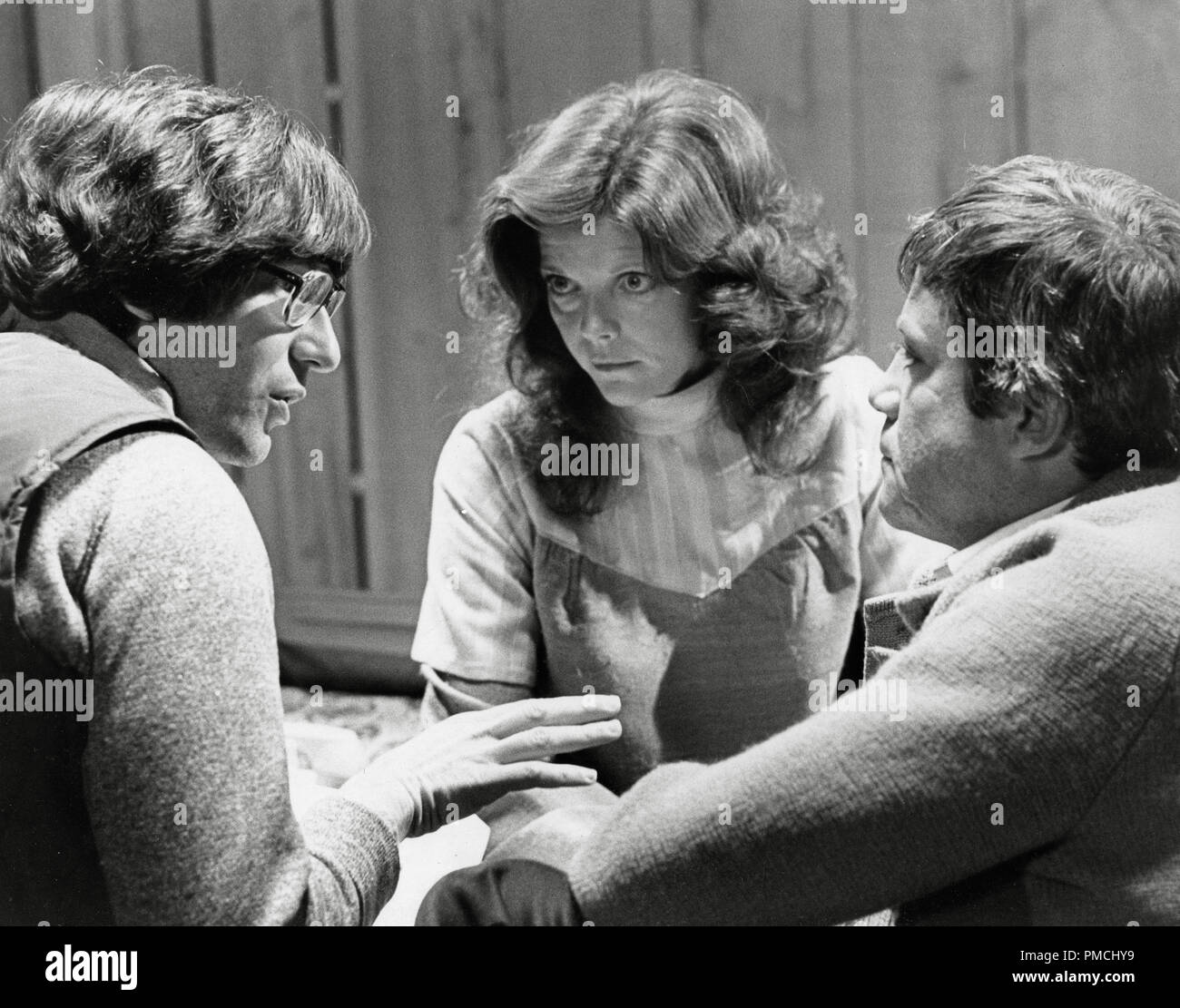
The casting of Samantha Eggar and Oliver Reed provides the necessary gravitas to sell the film’s more extreme concepts. Eggar’s performance, in particular, navigates the thin line between victimhood and villainy, creating a character who is both terrifying and deeply pitiable. It is this balance that makes the “monsters” in the film so effective; they are a reflection of a woman pushed to the absolute edge of her psychological endurance. As we look at the legacy of body horror, Cronenberg’s work in the late 70s laid the groundwork for modern psychological thrillers that prioritize character-driven stakes over mere shock value.
Key Takeaways
- Psychoplasmics: A fictional, radical form of therapy that allows physical manifestations of emotional trauma to take form.
- The Nature of the Brood: The creatures are not independent killers but extensions of the mother’s subconscious rage and pain.
- Thematic Roots: The film functions as a metaphorical exploration of divorce, parental alienation, and the dangers of unchecked psychological experimentation.
- Cinematic Influence: The Brood remains a seminal entry in the body horror subgenre, influencing countless filmmakers in the horror and thriller spaces.
While the film concludes with the destruction of the creatures, the psychological scars left on the surviving characters serve as a grim reminder of the film’s central thesis: that trauma, when ignored or improperly treated, creates its own monsters. As we continue to analyze the evolution of the genre, The Brood will remain a vital piece of cinema for those interested in the darker corners of human psychology.
Have you revisited this classic recently? The conversation around David Cronenberg’s early work is always evolving, and I’d love to hear your thoughts on how the film holds up today. Please share your insights in the comments section below, and keep an eye on World Today Journal for more deep dives into the history of genre cinema.