As global financial markets navigate a complex macroeconomic landscape, Bitcoin and broader risk assets are increasingly finding themselves at the mercy of shifting monetary policy expectations. While equity markets have demonstrated remarkable resilience, fueled largely by the persistent rally in artificial intelligence-related technology stocks, digital assets are now entering a period of heightened sensitivity. Investors are looking past recent price volatility, turning their focus squarely toward the U.S. Federal Reserve and the upcoming signals from the Federal Open Market Committee (FOMC).
The current market environment is characterized by a “wait-and-see” approach. As the Federal Reserve prepares for its next policy deliberations, the interplay between inflation data and interest rate trajectories remains the primary driver of capital allocation. For Bitcoin, which has often traded as a high-beta proxy for liquidity, the central bank’s stance on maintaining higher rates for longer—or pivoting toward easing—is more than just a peripheral concern; We see a fundamental determinant of its short-term price discovery.
The Macroeconomic Pivot and Digital Assets
To understand why Bitcoin is holding its breath ahead of Federal Reserve announcements, one must look at the relationship between the federal funds rate and speculative asset classes. When the Fed signals a restrictive monetary policy, the cost of borrowing increases, typically strengthening the U.S. Dollar and putting downward pressure on non-yielding assets like cryptocurrencies. Conversely, any hint of a “dovish” turn often provides a tailwind for Bitcoin, as investors seek hedges against potential currency debasement or simply rotate back into risk-on assets.
Recent data from the Bureau of Labor Statistics continues to show that inflation, while cooling from its historic highs, remains sticky enough to complicate the Fed’s path toward its 2% target. Market participants are currently recalibrating their expectations for rate cuts in the latter half of 2024, a process that has introduced a degree of “choppiness” in Bitcoin’s trading range. Unlike the equity markets, which have been bolstered by strong earnings reports from the semiconductor and cloud-computing sectors, Bitcoin lacks a direct “earnings” narrative to decouple it from macro pressures.
Equity Markets: The AI Factor
The strength in equity markets, particularly in the United States, has been heavily concentrated in a small group of companies leading the artificial intelligence revolution. This concentration has created an unusual divergence: while tech giants reach new valuations, the broader market remains sensitive to the bond market’s reaction to Fed commentary. According to the latest market analysis regarding Fed policy shifts, investors are intensely focused on the “dot plot” projections, which offer a glimpse into the consensus among Fed officials regarding the future path of interest rates.

For the average portfolio manager, the challenge lies in balancing the growth potential of AI-driven equities with the defensive necessity of holding assets that perform well in a high-interest-rate environment. Bitcoin, often categorized as “digital gold” by proponents, is attempting to bridge this gap. However, until there is greater clarity on when the Fed will initiate a series of rate cuts, the asset is likely to remain tethered to the broader performance of the S&P 500 and the Nasdaq Composite.
Key Takeaways for Investors
- Fed Sensitivity: Digital assets remain highly reactive to FOMC meeting minutes and public statements from Federal Reserve officials regarding interest rate policy.
- Market Divergence: While AI-driven tech stocks have provided a floor for equity indices, cryptocurrencies are trading in a more reactive, speculative fashion.
- Liquidity Trends: Global liquidity remains the lifeblood of risk assets; any tightening or easing by the Fed will directly impact Bitcoin’s short-term price action.
- Inflation Data: Upcoming Consumer Price Index (CPI) and Personal Consumption Expenditures (PCE) reports are essential indicators that the Fed monitors before adjusting rates.
What Happens Next?
As we look toward the next scheduled FOMC meeting, the market is bracing for volatility. Investors should monitor the official Federal Reserve calendar for the exact dates of interest rate decisions and subsequent press conferences held by Chair Jerome Powell. These events are the most significant catalysts for price movement in the coming months.
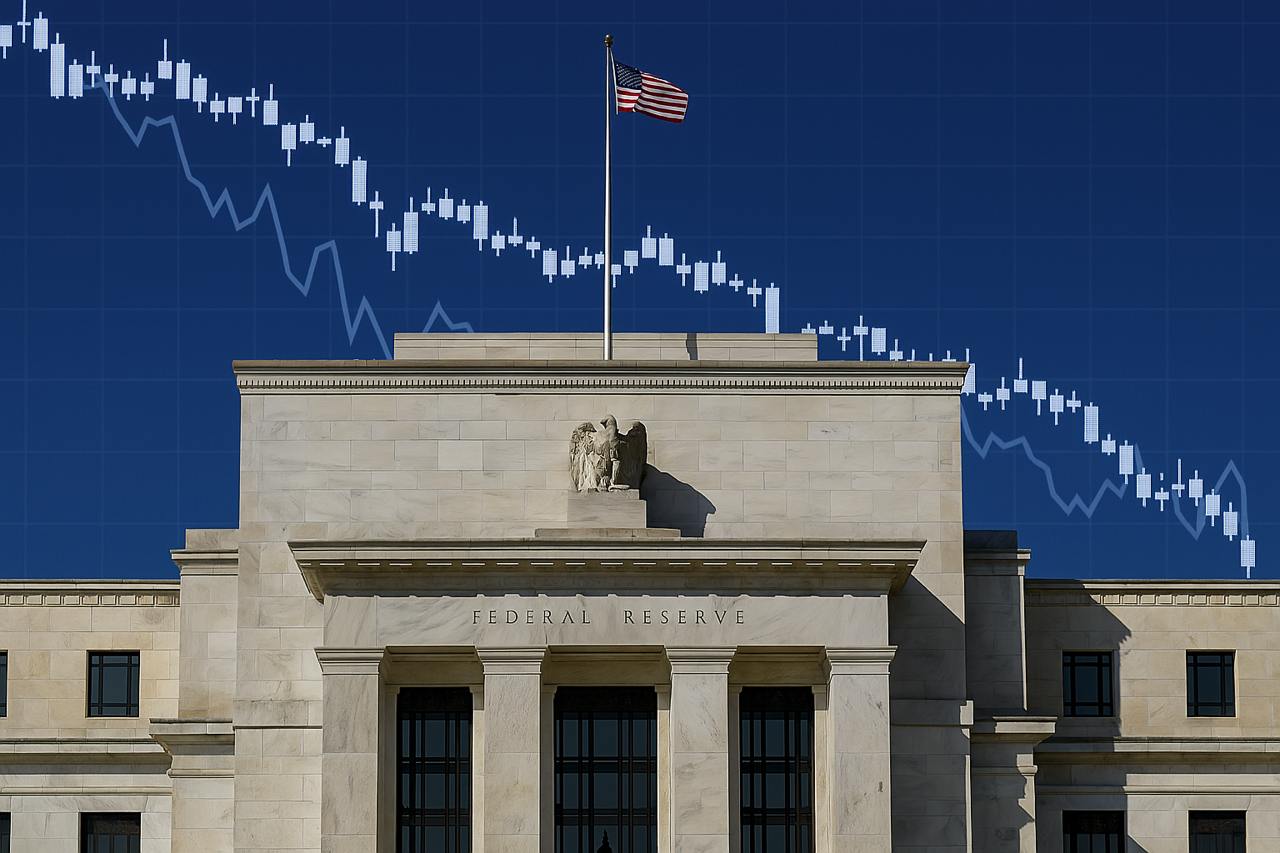
For those navigating this environment, the key is to maintain a long-term perspective. Short-term fluctuations driven by Fed speculation are a reality of the current economic cycle, but they do not necessarily change the long-term thesis for digital assets or the underlying strength of firms leading the AI sector. As always, diversification remains the most effective tool in managing the risks associated with this period of transition.
What are your thoughts on how the Federal Reserve’s upcoming policy decisions will affect your investment strategy? Join the conversation in the comments section below and share your insights with our global community of readers.
Keep reading