There is a specific kind of silence that only a 1974 Rolls-Royce can provide. We see not merely the absence of noise, but a heavy, intentional stillness that seems to insulate the occupants from the chaos of the outside world. For decades, the marque has stood as the ultimate signifier of automotive achievement, and the mid-1970s represented a fascinating crossroads for the brand—a period where traditional craftsmanship met the burgeoning complexities of modern automotive engineering.
To the casual observer, a vintage Rolls-Royce is a museum piece, a relic of a bygone era of excess and elegance. However, for a growing community of global enthusiasts and restorers, the 1974 model serves as a premier canvas. Whether it is through meticulous factory-spec restoration or the bold, transformative approach of the “restomod” movement, these vehicles are being reimagined for a new century, proving that true luxury is never truly obsolete.
As we look closer at the technical DNA and the cultural impact of the 1974 Rolls-Royce, we find a story of engineering resilience and the enduring allure of the “magic carpet ride.” For those navigating the high-stakes world of classic car collecting, understanding the nuances of this specific era is essential for both appreciation and investment.
The Engineering Legacy of the 1970s Rolls-Royce
By 1974, Rolls-Royce had moved well beyond the upright, formal silhouettes of the post-war era. The brand was firmly established in the era of the Silver Shadow, a model that revolutionized the company’s approach to design and chassis construction. The Silver Shadow, which had been in production since the mid-1960s, underwent significant refinements throughout the early 1970s to address evolving global standards and consumer expectations for comfort.
At the heart of the 1974 experience was the legendary L-Series V8 engine. This powerplant, a staple of the marque for decades, was engineered not for raw, aggressive speed, but for a relentless, smooth delivery of torque. In the 1974 iterations, the 6.75-liter V8 was tuned to prioritize “waftability”—the ability of the vehicle to accelerate with a sense of effortless momentum that avoids any jarring sensation for the passengers.
One of the most critical technical components of a 1974 Rolls-Royce is its sophisticated high-pressure hydraulic system. Unlike the purely mechanical setups found in many contemporary vehicles, Rolls-Royce utilized a complex hydraulic circuit to manage several vital functions simultaneously. This system controlled the self-leveling suspension, the power steering, and even the braking assistance. It was this interconnectedness that allowed the vehicle to maintain a perfectly level stance regardless of passenger load, contributing to the unparalleled ride quality that defined the brand.
However, this complexity was a double-edged sword. While it provided the “magic carpet ride,” it also demanded a level of maintenance expertise that few standard garages could provide. For the modern owner, the hydraulic system remains the most critical area of focus, requiring specialized knowledge to prevent leaks or loss of pressure, which can fundamentally alter the driving dynamics of the car.
The Silver Shadow: A Benchmark of Luxury
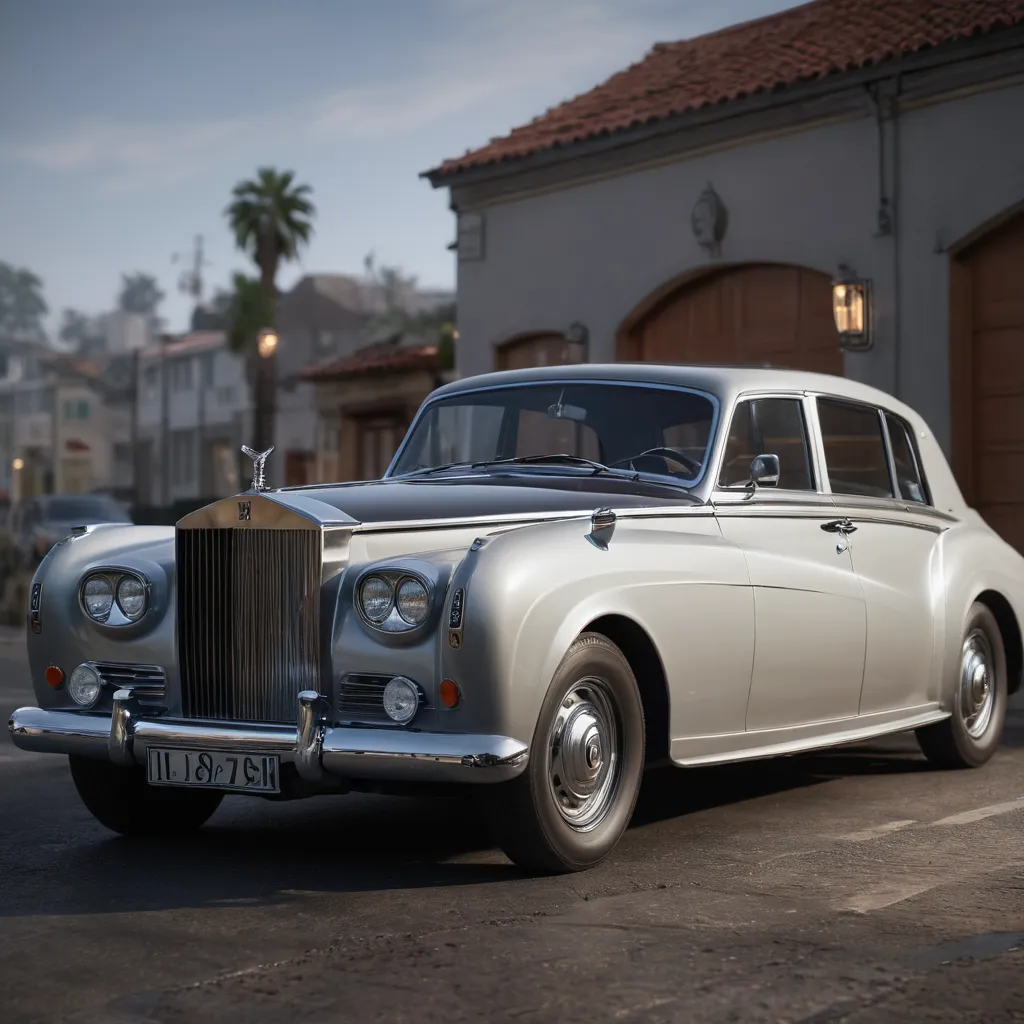
The Silver Shadow remains the most iconic representation of the Rolls-Royce lineup during the 1974 calendar year. It represented a departure from the massive, chauffeur-driven cars of the past, offering a more streamlined, driver-centric luxury that appealed to a new generation of wealthy owners. The design, characterized by its clean lines and understated elegance, has aged with remarkable grace.
The interior of a 1974 Silver Shadow was a masterclass in tactile luxury. Every surface was an opportunity for craftsmanship: hand-polished walnut veneers, Connolly leather upholstery that felt supple to the touch, and thick, Wilton wool carpets. In an era where many manufacturers were beginning to experiment with plastics and synthetic materials, Rolls-Royce remained steadfast in its commitment to organic, high-quality materials. This dedication to “material honesty” is a primary reason why these interiors still feel more luxurious than many modern luxury vehicles today.
:max_bytes(150000):strip_icc()/215378-classic-dinner-rolls-DDMFS-4x3-9cfa05df262549498f81be75834582aa.jpg "Rolls")
From a technical standpoint, the 1974 models were part of a lineage that had to navigate increasingly stringent global emissions and safety regulations. While these requirements often forced compromises in other automotive sectors, Rolls-Royce engineers worked to integrate these changes without sacrificing the brand’s core identity. This included refinements to the braking systems and subtle adjustments to the engine’s fuel delivery to ensure compliance without losing the signature smoothness of the V8.
For collectors, the Silver Shadow is often the entry point into the world of Rolls-Royce ownership. It offers a substantial presence and a genuine “classic” feel, yet it remains more manageable in terms of size and complexity than the gargantuan Silver Wraith or Phantom models. Understanding the distinction between the various sub-models and production years is vital, as subtle changes in trim and mechanical components can significantly impact a vehicle’s long-term value.
The Rise of the “Restomod”: Why Enthusiasts are Reimagining Classics
In recent years, a significant trend has emerged within the classic car community: the rise of the “restomod.” This term, a portmanteau of “restoration” and “modification,” describes the practice of taking a vintage vehicle and upgrading its mechanical and technological components while preserving its classic aesthetic. The 1974 Rolls-Royce has become a particularly popular subject for this movement.
Why would an enthusiast take a masterpiece of 1970s engineering and alter it? The answer lies in the gap between vintage charm and modern usability. While a 1974 Rolls-Royce offers unparalleled style, it lacks the conveniences that modern drivers take for granted, such as reliable air conditioning, modern infotainment, and contemporary safety features like ABS or advanced stability control.
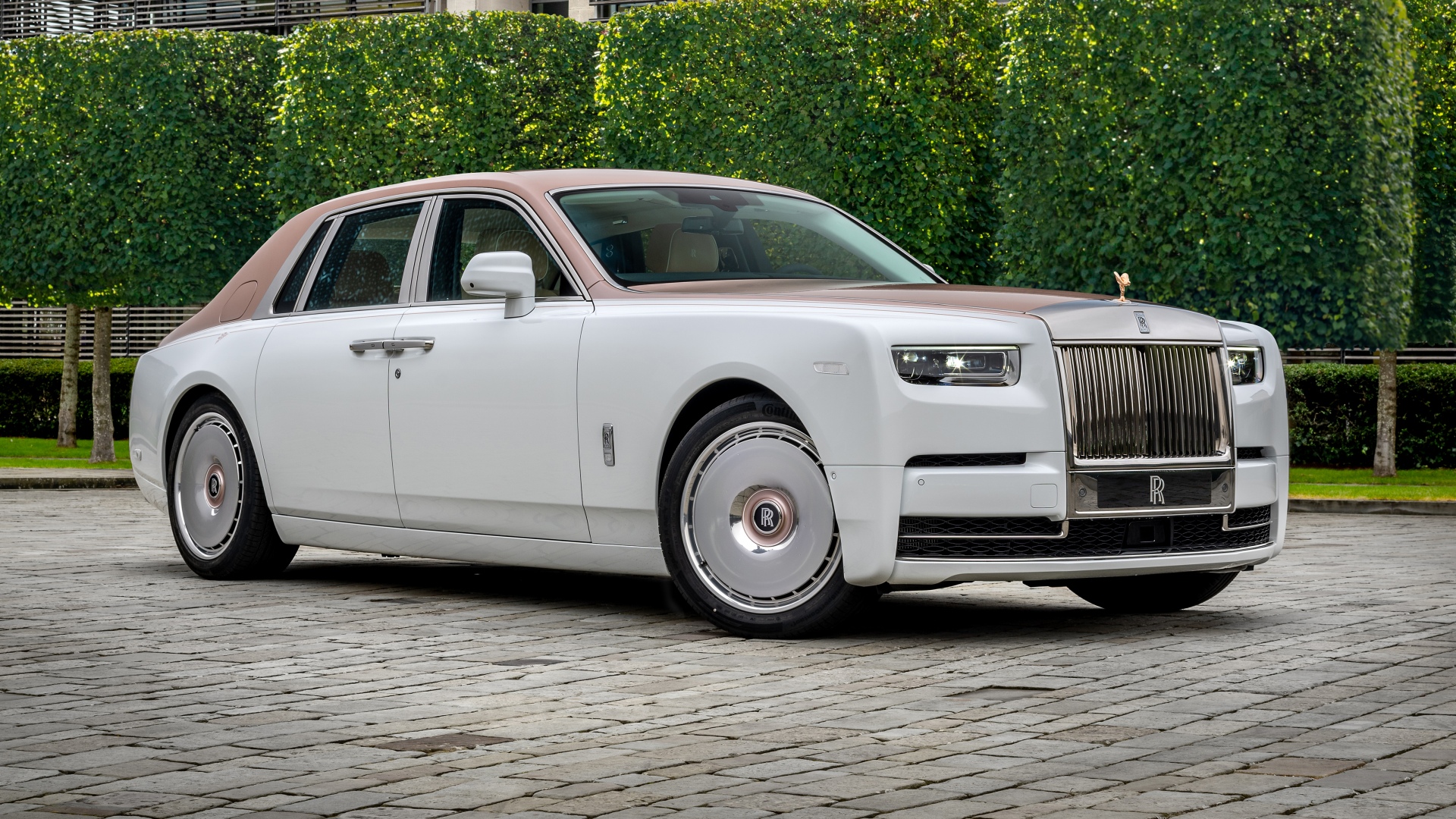
- Performance Upgrades: Many restomodders opt to upgrade the braking systems to more modern disc setups or refine the suspension geometry to improve handling without losing the soft ride.
- Technological Integration: It is becoming increasingly common to see vintage Rolls-Royces equipped with discrete Bluetooth audio systems, high-fidelity sound, and even modern climate control systems that are hidden behind the original dashboard architecture.
- Aesthetic Modernization: While purists may balk, some enthusiasts choose to update the exterior with modern alloy wheels or more contemporary paint finishes, creating a “neo-classic” look that stands out in a modern urban environment.
- Reliability Enhancements: Modern electronic fuel injection (EFI) is often used to replace aging carburetors, providing more consistent starting, smoother idling, and better fuel efficiency.
This movement has created a unique sub-culture of automotive art. A well-executed restomod Rolls-Royce is a bridge between eras—it possesses the soul and silhouette of 1974, but with the reliability and ease of use required for 21st-century driving. For the owner, it means the ability to enjoy a classic icon on long-distance tours without the constant anxiety of mechanical failure.
Preserving a Legacy: The Challenges of Classic Car Ownership
Owning a 1974 Rolls-Royce is a commitment that extends far beyond the initial purchase price. It is a lifestyle that requires patience, specialized knowledge, and a significant financial allocation for upkeep. The “Rolls-Royce tax,” as it is colloquially known in the enthusiast community, refers to the higher-than-average costs associated with sourcing authentic parts and employing master technicians.
One of the primary challenges is the scarcity of original components. As these vehicles age, certain trim pieces, specialized interior fabrics, and unique mechanical components become increasingly challenging to find. This has given rise to a robust secondary market of specialist suppliers and craftsmen who dedicated their lives to the preservation of the marque. For the serious collector, building a relationship with these specialists is as important as the car itself.
the environmental and regulatory landscape is changing. As cities around the world implement stricter emissions zones and “low emission zones” (LEZ), owners of vintage, high-displacement V8 engines must stay informed about where and when they can legally drive their vehicles. This has led some collectors to move toward more “event-based” ownership, using the cars primarily for shows, rallies, and weekend excursions rather than daily transport.
Despite these challenges, the reward for the dedicated owner is immense. There is a profound sense of satisfaction in maintaining a piece of living history. A 1974 Rolls-Royce is more than just a car; it is a rolling testament to a specific era of human ingenuity and a standard of excellence that continues to inspire the automotive world.
Key Takeaways for Prospective Owners
| Factor | Consideration |
|---|---|
| Primary Model | Silver Shadow (standard luxury benchmark) |
| Core Engine | 6.75L V8 (prioritizes smoothness over speed) |
| Critical System | High-pressure hydraulic suspension and steering |
| Maintenance Level | High; requires specialized vintage expertise |
| Value Trend | Strong for well-maintained or high-end restomods |
As the automotive industry pivots toward electrification and autonomous driving, the mechanical purity of the 1974 Rolls-Royce only becomes more precious. It serves as a reminder of a time when luxury was measured in the weight of the wood, the softness of the leather, and the absolute silence of the engine. Whether you are a purist or a restomod enthusiast, this era of Rolls-Royce remains an essential chapter in the history of the automobile.
For those following the classic car market, the next major checkpoint will be the upcoming seasonal auction cycles, where well-preserved Silver Shadows are expected to see renewed interest from international collectors. We will continue to monitor these market trends and technical developments closely.
What are your thoughts on the “restomod” approach to classic luxury? Do you prefer a factory-original preservation or a modern mechanical upgrade? Let us know in the comments below and share this article with your fellow automotive enthusiasts.
Worth a look