
A tragic multi-vehicle collision occurred on the D2 motorway in the Czech Republic, resulting in significant casualties and a major fire that shuttered one of the country’s most vital transport arteries. The incident, which involved multiple heavy goods vehicles, highlights the ongoing safety challenges on the D2, a critical corridor connecting the Czech Republic, Slovakia, and Hungary.
For those of us tracking regional infrastructure and transport safety, such events are a stark reminder of the complexities inherent in trans-European transit routes. Authorities were forced to initiate a large-scale emergency response as the fire consumed the wreckage, leading to a prolonged closure of the motorway for investigation and recovery operations. According to the Czech Police (Policie ČR), the incident necessitated the mobilization of multiple rescue units and forensic experts to determine the exact sequence of events that led to the fatalities.
Understanding the D2 Motorway Incident
The D2 motorway is a primary transit route, and accidents of this magnitude inevitably disrupt the flow of goods and people across Central Europe. While initial reports highlighted the intensity of the blaze, local officials emphasized that the primary focus remained on victim identification and the structural assessment of the highway following the intense heat exposure. The Fire Rescue Service of the Czech Republic (Hasičský záchranný sbor ČR) confirmed that extinguishing the fire required specialized equipment due to the nature of the cargo involved, which likely accelerated the intensity of the flames.
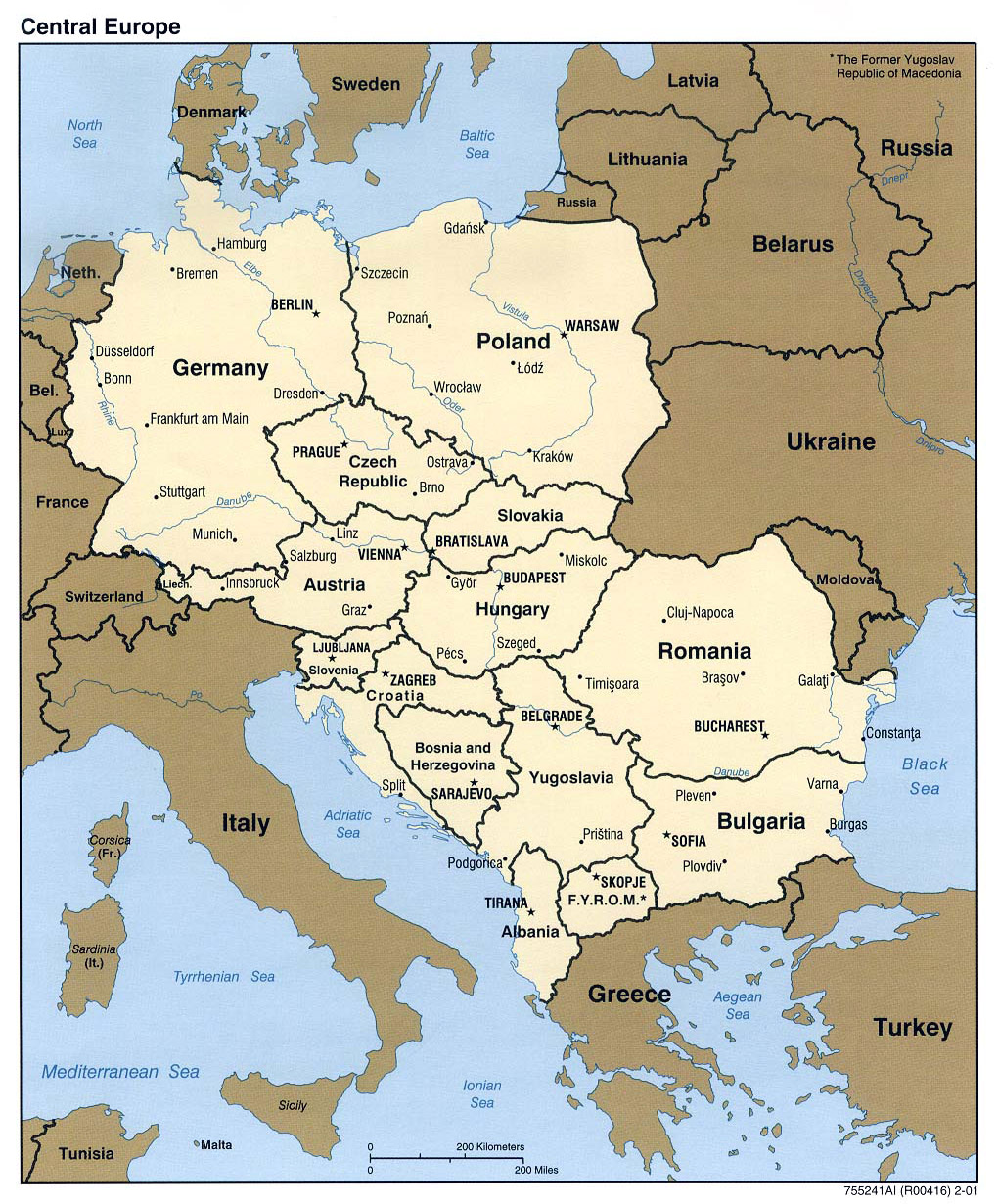
In the aftermath of such a collision, the Czech authorities follow a strict protocol to ensure public safety and to maintain the integrity of the evidence. Motorists traveling through the region are often advised to monitor the National Traffic Information Center (NDIC) for real-time updates regarding lane closures and alternative routes. The disruption caused by this event underscores the reliance of the regional economy on the stability and safety of the D2 corridor.
Safety Protocols and Regional Impact
Beyond the immediate tragedy, this incident invites a broader discussion regarding road safety standards for heavy transport within the European Union. The European Commission has long pushed for the “Vision Zero” initiative, aiming to eliminate fatalities on European roads by 2050. Despite these goals, the reality of high-density traffic on motorways like the D2 presents persistent risks. Investigations into such crashes typically examine factors such as driver fatigue, mechanical failure, and the effectiveness of current intelligent transport systems (ITS) in providing early warnings to drivers.

The BESIP department, which manages road safety in the Czech Republic, continues to advocate for stricter adherence to safety distances and mandatory rest periods for professional drivers. As the investigation into the D2 collision proceeds, stakeholders are looking at whether additional infrastructure improvements—such as enhanced signage or automated traffic management systems—could mitigate the risk of similar high-impact collisions in the future.
What Happens Next: Investigation and Recovery
The legal and investigative process following a fatal motorway accident is rigorous. Once the scene is cleared, the police and the Institute for Transport Safety Investigation (ÚZPLN) typically conduct a technical analysis to determine if vehicle defects contributed to the tragedy. These findings are essential not only for legal proceedings but also for informing future policy decisions regarding vehicle safety inspections and road design.

For the public and the families affected, the waiting period for official reports can be exceptionally difficult. Authorities have indicated that the process of forensic identification is ongoing, and they have urged the public to rely only on official press releases to avoid the spread of unverified information. We will continue to monitor the situation for any updates regarding the investigation’s conclusions or new safety directives issued by the Ministry of Transport.
Key Takeaways for Travelers
- Stay Informed: Always check the NDIC portal before embarking on long-distance travel in Central Europe.
- Safety First: Ensure that your vehicle is serviced regularly, particularly if you are planning to traverse major transit routes.
- Emergency Response: In the event of an accident, prioritize moving to safety and alerting emergency services via the 112 universal European emergency number.
As this remains an active area of concern for regional authorities, we encourage our readers to remain patient with local traffic authorities as they work to restore full functionality to the motorway. If you have observations regarding road safety or wish to discuss the implications of this event on regional transit, please feel free to share your thoughts in the comments section below. We are committed to providing updates as soon as official, verified information becomes available from the relevant Czech governmental bodies.
Keep reading