In the evolving landscape of the Central European economy, a critical shift is underway as real wage growth begins to outpace inflation. For many workers, this represents a long-awaited stabilization of purchasing power following several years of economic volatility. As we navigate the complexities of the 2026 fiscal year, the relationship between household income and the broader macroeconomic environment has become a central focus for analysts and policymakers alike.
According to the latest European Commission economic forecast for Czechia, the nation’s real GDP growth, which reached 2.6% in 2025, is projected to moderate to 1.8% in 2026 before seeing a potential acceleration to 2.4% in 2027. This trajectory is fundamentally tied to private consumption, which is being bolstered by the current recovery in real wages and a concurrent reduction in household saving rates.
The Dynamics of Wage Growth and Inflation
The economic recovery is not uniform, and its drivers are complex. While headline inflation is expected to see a slight uptick in 2026 due to energy price volatility, the underlying trend for wages remains positive. The European Commission notes that household consumption is anticipated to expand by approximately 3% in both 2026 and 2027, supported by ongoing improvements in real earnings. This growth in private demand is a key pillar for the national economy, even as external factors—such as energy price shocks and general economic uncertainty—continue to exert pressure on growth rates.
For those tracking these trends, it is important to distinguish between nominal wage increases and real wage growth. While nominal figures may appear high, the true measure of economic health for the average household is the ability to maintain or increase purchasing power after accounting for inflation. The current environment suggests that the gap, which widened significantly in previous years, is finally beginning to close.
Regional Economic Variations
Economic indicators often vary significantly when viewed through a regional lens. While national averages provide a macro view of the country, local labor markets—such as those in Prague or the Moravskoslezsky region—frequently showcase distinct patterns in wage development. These regional disparities are often influenced by the concentration of specific industries, local employment demand, and the cost of living.
Data from official government and statistical bodies regarding regional wage distributions highlight that economic performance is rarely monolithic. Investors and analysts often look to these sub-national datasets to understand the granular health of the labor market. As the economy transitions through the 2026 forecast period, tracking these regional metrics will be essential for understanding how wealth is distributed and how local purchasing power contributes to the national economic balance.
Economic Outlook: What Lies Ahead
Looking toward the 2027 fiscal horizon, the European Commission projects that headline inflation will broadly stabilize. This outlook assumes a degree of predictability in global energy markets and a steady contribution from net exports. However, the forecast also acknowledges that the public deficit is set to increase to approximately 2.9% by 2027, largely reflecting planned government fiscal expansion. These public spending decisions are critical variables that will influence the overall economic trajectory in the coming years.
For individuals and businesses, navigating this period requires a close eye on official government updates and European-level surveillance reports. The interplay between fiscal policy, wage developments, and energy prices will determine the sustainability of the current growth phase. As we move further into 2026, the focus will remain on whether consumer confidence—which has experienced fluctuations due to energy price concerns—can remain resilient in the face of broader global economic uncertainties.
Key Economic Indicators Summary
Based on the latest institutional forecasts, the following figures outline the expected economic path for the coming years:
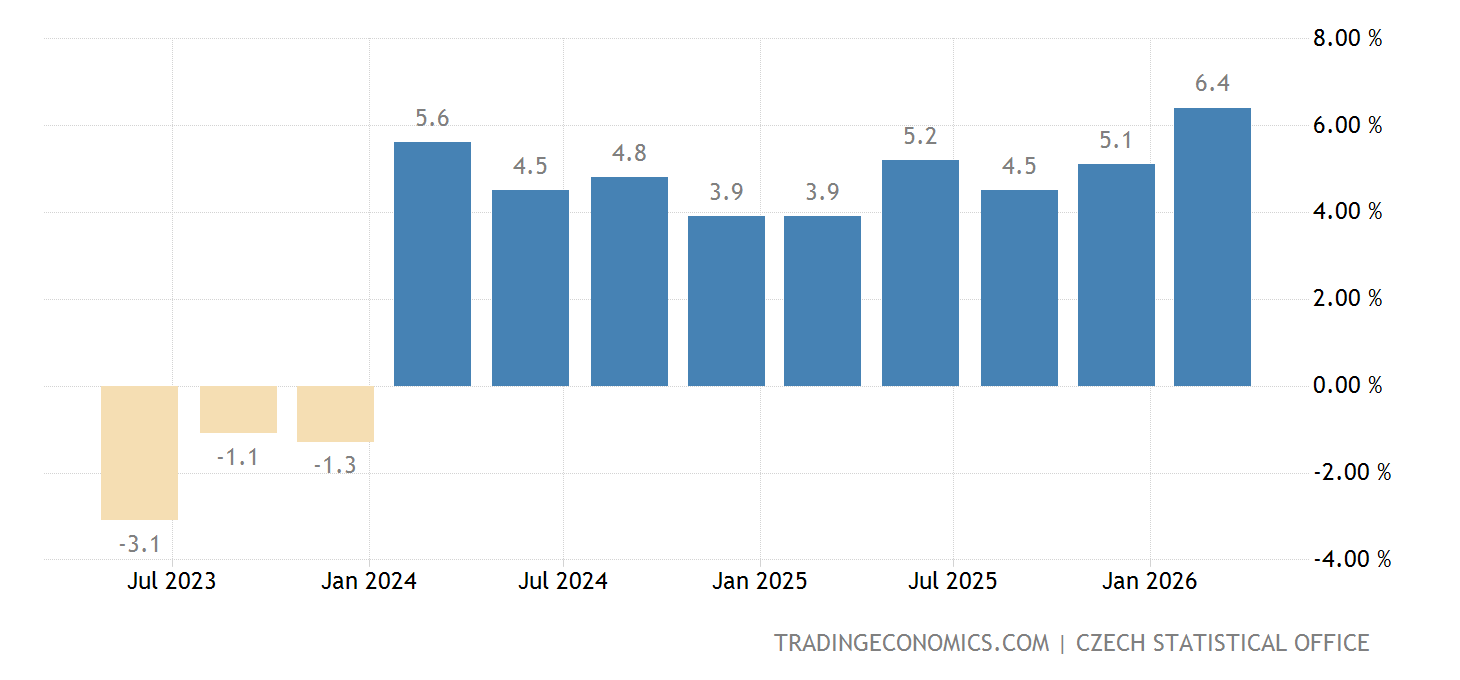
- GDP Growth: Projected at 1.8% for 2026, with an expected recovery to 2.4% in 2027.
- Inflation Trends: Headline inflation is projected to rise to 2.7% in 2026 before stabilizing in 2027.
- Unemployment: Forecasted to be 3.1% in 2026 and 3.2% in 2027.
- Public Debt: Expected to reach 45.8% of GDP in 2026 and 47.2% by 2027.
Source: Data derived from the European Commission Spring 2026 Economic Forecast.
As the situation continues to evolve, we encourage readers to monitor the official releases from the European Commission and national statistical offices for the most accurate and up-to-date information regarding fiscal policy and labor market performance. We invite our readers to share their thoughts and experiences with the current economic climate in the comments section below.
Related reading
- TikTok Influencer Dies at 49 After Early-Onset Alzheimer’s Diagnosis
- Thieves & Gold Transforms Demo with Massive Update and Heist-Ruining Creature
- South Africa Faces R467 Billion Municipal Debt Crisis Amid Rising Xenophobia (time.news)
- Why Nighttime Heat Is Rising Faster Than Daytime Highs in US Cities (daybreakwire.com)