The diplomatic landscape surrounding the conflict between Israel and Hezbollah remains fraught with tension as stakeholders navigate the complexities of a potential ceasefire agreement. In recent days, the discourse has shifted from hopeful anticipation of a de-escalation to a stark reality check, as both sides express deep-seated reservations regarding the terms of a proposed cessation of hostilities. As a journalist covering international affairs for over 14 years, I have seen how the gap between diplomatic drafts and ground-level implementation often defines the longevity of such agreements.
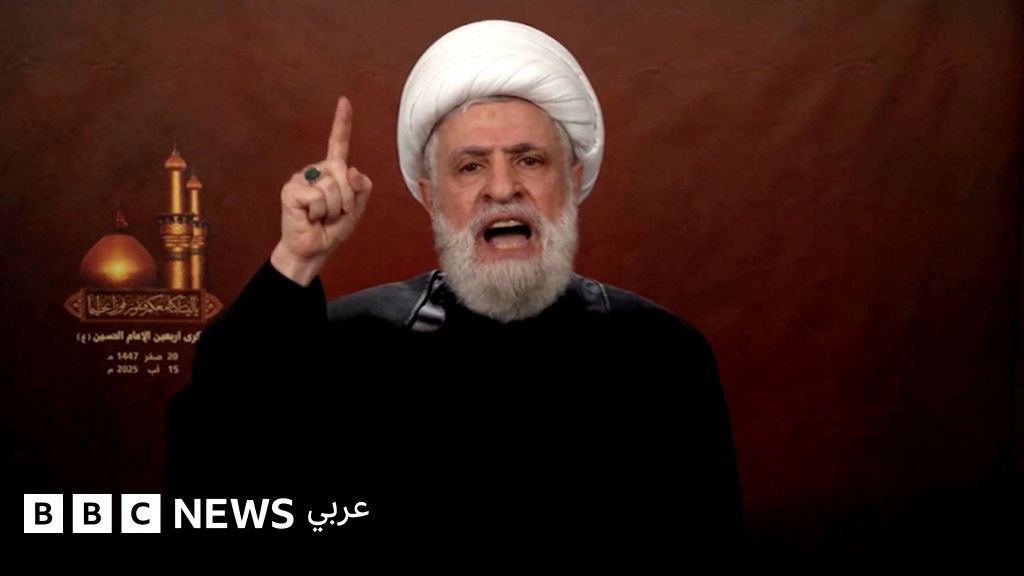
At the center of this impasse is the Hezbollah rejection of the ceasefire deal, with the group’s leadership characterizing the proposed terms as a form of surrender that undermines their strategic position. This development has cast a long shadow over ongoing mediation efforts, particularly those led by the United States, which has been working to establish a framework that addresses the security concerns of both Israel and Lebanon. For those following the situation closely, the primary question remains: can a sustainable security architecture be built when the primary actors remain fundamentally at odds over the definition of “sovereignty” and “security”?
The Diplomatic Impasse and Conflicting Narratives
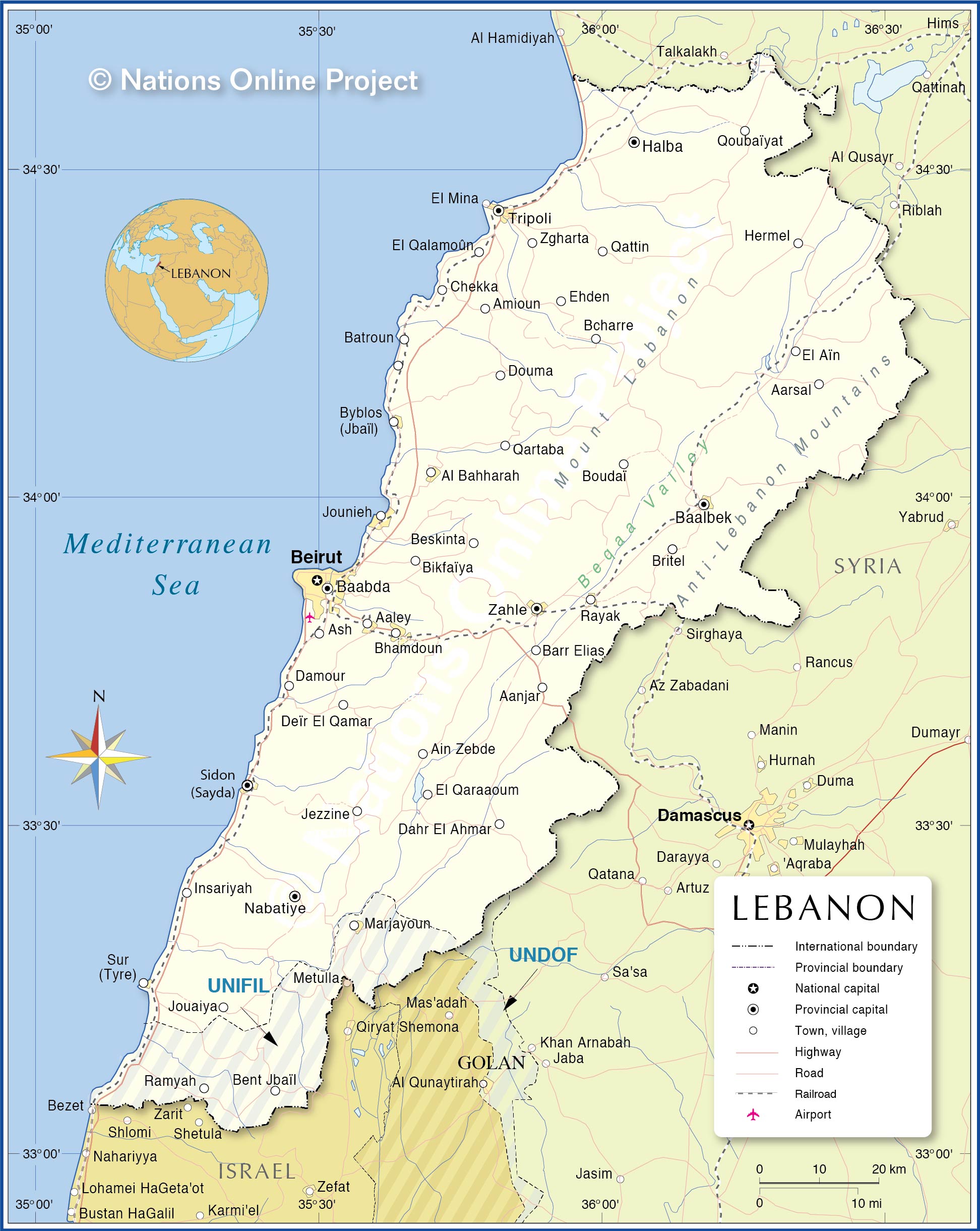
The current friction is rooted in the divergent expectations of the parties involved. While international mediators seek to restore calm along the Blue Line—the demarcation line between Lebanon and Israel—the rhetoric from both Tel Aviv and Beirut suggests a hardening of positions. Reports indicate that Israeli officials, including Defense Minister Israel Katz, have emphasized that any agreement must ensure that Israeli security requirements are met, which includes the continued operational capacity of the Israel Defense Forces (IDF) in the southern region of Lebanon to prevent the regrouping of militant forces as reported by Reuters.

Conversely, Hezbollah’s leadership has signaled that they view the proposed security arrangements—which include restrictions on their movement and the role of international peacekeeping forces—as an infringement on their operational autonomy. The term “surrender” has been used by various affiliates within the group to describe the conditions, framing the agreement not as a path to peace, but as a strategic defeat. This disconnect highlights the challenges of negotiating with non-state actors who operate under different political and ideological mandates than traditional state governments.
Defining the Security Buffer: What “Experimental Zones” Mean
A key component of the ongoing discussions involves the creation of so-called “experimental zones” or buffer areas designed to facilitate the transition toward a more stable security environment. These areas are intended to serve as testing grounds for the effectiveness of the Lebanese Armed Forces (LAF) and the United Nations Interim Force in Lebanon (UNIFIL) in maintaining order, according to analysis provided by Al Jazeera. The goal is to gradually expand these zones as confidence in the security mechanisms grows.
However, the skepticism remains palpable. Critics of the proposal argue that without a clear mechanism for enforcement, these zones may become flashpoints for renewed conflict rather than conduits for peace. The role of external regional powers—most notably Iran—continues to complicate the negotiations. Tehran has historically maintained a significant influence over Hezbollah’s strategic decisions, and reports suggest that Iranian leadership has been pushing for a total withdrawal of Israeli forces rather than a simple ceasefire, adding another layer of geopolitical complexity to the talks as noted in recent international coverage.
The Humanitarian and Geopolitical Stakes
Beyond the military posturing, the humanitarian cost of this protracted conflict continues to mount. Thousands of civilians have been displaced from both sides of the border, and the destruction of infrastructure has created a dire situation for residents in southern Lebanon and northern Israel. The uncertainty surrounding the ceasefire only exacerbates these challenges, as families remain unable to return to their homes due to the lack of a guaranteed security environment.
For the international community, the stakes are equally high. A failure to reach a lasting agreement risks a wider regional escalation that could involve other actors and further destabilize an already volatile Middle East. The European Union and the United Nations have consistently called for a cessation of hostilities, emphasizing that a diplomatic solution is the only viable path to long-term stability. The United Nations Security Council continues to monitor the situation, urging all parties to adhere to existing international resolutions, including Resolution 1701, which has been the cornerstone of security arrangements in the region since 2006.
Key Takeaways: Understanding the Current Situation
- Status of the Deal: While a ceasefire has been discussed at high levels, implementation is currently stalled due to conflicting interpretations of the terms by Hezbollah and Israel.
- Israeli Position: Israel demands the right to enforce security measures in southern Lebanon to prevent Hezbollah from rebuilding its military infrastructure.
- Hezbollah’s Stance: The group rejects key provisions of the proposed agreement, characterizing them as punitive and detrimental to their presence in the region.
- International Involvement: The U.S. And other international mediators remain engaged, attempting to bridge the divide through incremental security steps and international monitoring.
Looking Ahead: What Happens Next?
As we look toward the coming weeks, the focus will likely remain on the back-channel communications between the mediators and the respective parties. No official date for a formal signing or a comprehensive implementation plan has been confirmed, as the parties continue to weigh the political risks of compromise against the costs of continued conflict. The next significant checkpoint will be the upcoming discussions regarding the mandate and deployment of the Lebanese Armed Forces in the southern sectors, which is expected to be a critical indicator of whether any progress can be sustained.
I encourage our readers to stay informed through official updates from the United Nations and the respective foreign ministries, as the situation remains fluid and prone to rapid developments. Accurate, balanced information is our best tool for understanding the complexities of global conflicts. If you have thoughts or insights on the diplomatic path forward, please join the conversation in the comments section below. We value your perspective as we continue to track this developing story.