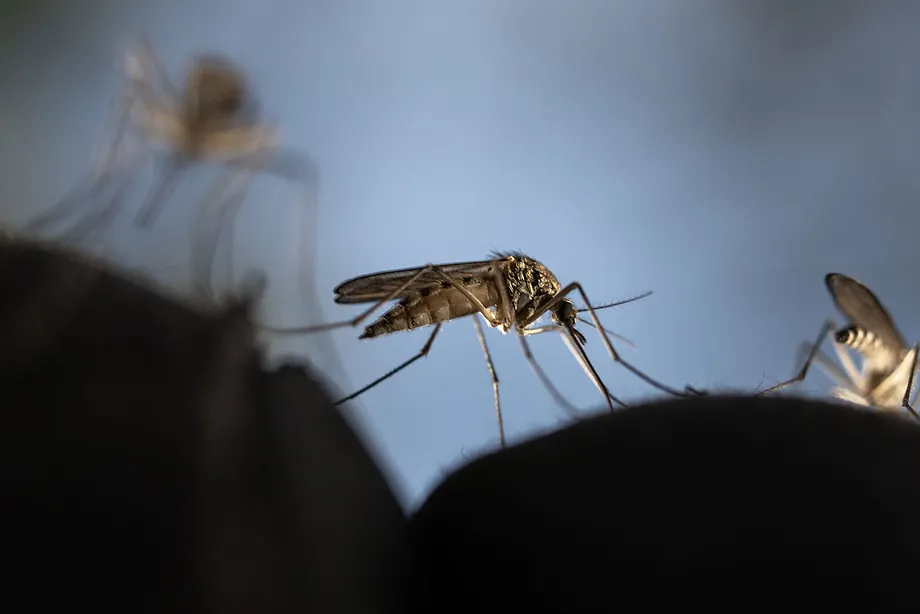
In the ongoing battle against vector-borne diseases, a technological approach to public health has sparked significant global discussion. At the center of this dialogue is the use of Wolbachia-infected mosquitoes to curb the spread of pathogens like dengue, Zika, and chikungunya. While often associated with broader tech-sector interest in biotechnology, these initiatives are primarily led by international research collaborations, such as the World Mosquito Program (WMP), aimed at addressing the limitations of traditional insecticide-based vector control.
The Aedes aegypti mosquito, a highly adaptable invasive species, remains a primary driver of disease transmission in tropical and subtropical regions. As populations have increasingly developed resistance to common chemical pesticides, public health officials have sought alternative, sustainable methods to reduce the transmission of these life-threatening viruses. The strategy involves releasing male mosquitoes carrying the Wolbachia bacterium—a naturally occurring microorganism—which prevents the mosquitoes from successfully reproducing or inhibits the transmission of viruses when they bite humans.
According to the World Health Organization (WHO), dengue cases have risen dramatically in recent decades, with an estimated 100 to 400 million infections occurring annually worldwide. This surge, combined with the documented decline in the effectiveness of conventional chemical interventions, has accelerated the search for innovative biological solutions that can be deployed at scale to protect vulnerable communities.
The Science Behind Wolbachia-Infected Mosquitoes
The methodology, often referred to as the “incompatible insect technique,” is rooted in well-established principles of evolutionary biology. When male mosquitoes carrying the Wolbachia bacterium mate with wild females that do not possess the bacterium, the resulting eggs do not hatch. This effectively suppresses the mosquito population over successive generations without the need for toxic chemicals that can harm the broader ecosystem.
In other scenarios, Wolbachia is introduced into both male and female populations to ensure the bacterium spreads through the wild mosquito population. Once established, the bacterium competes with viruses like dengue, Zika, and yellow fever within the mosquito, making it significantly harder for the insect to transmit the disease to humans. The World Mosquito Program has been a primary driver of this technology, conducting field trials across countries including Australia, Brazil, Colombia, and Indonesia to validate the efficacy of this biological control.
Research published in the New England Journal of Medicine confirmed that in a large-scale randomized trial conducted in Yogyakarta, Indonesia, the deployment of Wolbachia-infected mosquitoes resulted in a 77% reduction in the incidence of dengue and an 86% reduction in dengue-related hospitalizations. These figures represent a significant milestone in public health, providing a data-backed alternative to traditional fogging and larvicide treatments.
Addressing Public Concerns and Ecological Integrity
The introduction of millions of lab-reared insects into the wild naturally invites scrutiny regarding ecological impacts. Critics and local community members often raise questions about the potential for unintended consequences. However, scientists and regulatory bodies emphasize that Wolbachia is found naturally in about 60% of all insect species, including many common garden insects, and does not pose a threat to humans or the environment.
In the United States, the Environmental Protection Agency (EPA) has granted experimental use permits for the release of these mosquitoes in specific jurisdictions, subject to rigorous monitoring and safety assessments. These regulatory frameworks ensure that every release is preceded by environmental impact studies and public consultation processes. The goal is to provide a surgical, species-specific intervention that avoids the collateral damage associated with broad-spectrum insecticides, which often kill beneficial pollinators alongside disease-carrying pests.
For residents in affected areas, the transition from chemical-heavy control to biological management represents a shift toward more sustainable urban health management. By focusing on the reproductive cycle of the Aedes aegypti, authorities aim to reduce the reliance on chemical compounds that the mosquitoes have learned to bypass through natural selection.
Key Takeaways for Public Health
- Targeted Intervention: Unlike chemical pesticides, Wolbachia-based programs target only the specific species responsible for transmitting viral diseases.
- Proven Efficacy: Large-scale trials have shown significant decreases in dengue transmission rates in diverse urban environments.
- Regulatory Oversight: All releases are managed under strict permits from national environmental and health agencies to ensure ecological safety.
- Sustainability: This method offers a long-term, self-sustaining solution that reduces the need for ongoing chemical spraying.
What Happens Next: Monitoring and Expansion
As the use of biological control methods matures, the focus remains on long-term surveillance. Public health departments are not merely releasing insects and moving on; they are engaged in continuous monitoring of mosquito population density and viral prevalence in the environment. This data is essential for determining the long-term viability of the intervention and identifying where further releases may be required to maintain low transmission levels.
For those interested in the latest developments, the Centers for Disease Control and Prevention (CDC) provides ongoing resources regarding the use of Wolbachia as a tool for mosquito control. Stakeholders, including local government officials and community health leaders, are encouraged to review the public health advisories issued by their respective regional health ministries to stay informed about local trials and safety protocols.
The path forward requires a balance between technological innovation and public transparency. As these programs expand into new regions, the success of the initiative will depend on continued community engagement and the rigorous adherence to the safety protocols established by global health authorities. We welcome our readers to share their thoughts on this evolution in disease control in the comments section below, and we encourage you to share this report with those interested in the future of public health.
Dr. Helena Fischer is the Health Editor at World Today Journal. She holds an MD from Charité – Universitätsmedizin Berlin and specializes in infectious disease policy and medical innovation.