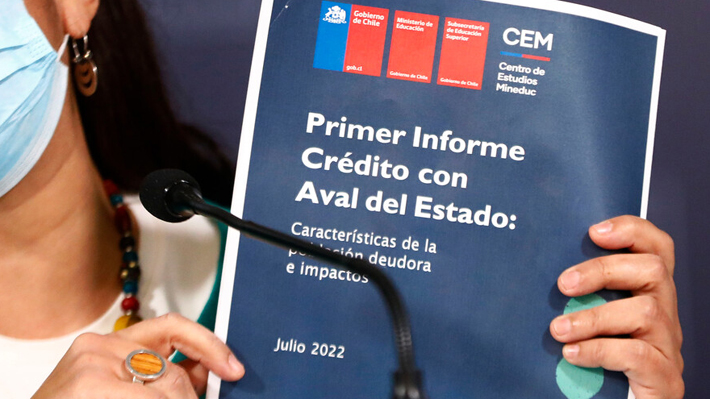
The Chilean government has ramped up efforts to recover outstanding student debt, with the General Treasury of the Republic (TGR) initiating legal actions that include the potential seizure of real estate assets. This move targets individuals with significant arrears associated with the Crédito con Aval del Estado (CAE), a state-guaranteed student loan program that has been a central pillar of Chile’s higher education financing for nearly two decades.
For thousands of graduates, the transition from academia to the professional workforce has been complicated by the burden of these loans. As the TGR moves to enforce collections, the focus has shifted toward those who have defaulted on their obligations, prompting a wave of concern among borrowers regarding their financial security and property rights. This development highlights the intensifying pressure on both the state to recover public funds and on citizens navigating the complexities of Chilean fiscal collection processes.
Understanding the legal framework behind these collections is essential for any borrower currently in arrears. The TGR operates under specific mandates that allow for administrative and judicial collection procedures when debt obligations remain unfulfilled. While the prospect of asset seizure is a severe measure, it remains part of a broader, established legal protocol intended to ensure the sustainability of the state-guaranteed loan system, which is overseen by the Comisión Ingresa.
The Legal Basis for Asset Seizure in Chile
The collection of CAE debt is not a new phenomenon, but the escalation toward real estate embargoes marks a more aggressive phase in the TGR’s strategy. Under Chilean law, the TGR is empowered to initiate “juicios ejecutivos” (executive lawsuits) against debtors who fail to respond to previous administrative collection attempts. These legal proceedings can eventually lead to the attachment—and potential auction—of assets, including residential or commercial property, to satisfy the outstanding debt balance.
This proves important to distinguish between administrative notices and formal legal filings. Before any property is targeted, the TGR typically exhausts several stages of communication. Borrowers often receive notifications via official government channels, and in many cases, there is a window for negotiation or the establishment of payment plans. However, once a case moves into the judicial phase, the ability to halt the process becomes significantly more limited without professional legal intervention or the immediate settlement of the debt.
The Ley N° 20.027, which established the Financing System for Higher Education, provides the regulatory backbone for these loans. While the law seeks to provide access to education, it also imposes clear fiscal responsibilities on the beneficiaries. As the state seeks to manage the fiscal impact of non-payment, the TGR has increasingly utilized its authority to ensure that the recovery of these public funds remains a priority.
Who Is Affected and How to Respond
The individuals most at risk are those who have remained in default for extended periods without seeking a formal restructuring of their debt. Borrowers who are currently in arrears are strongly advised to check their status directly through the official TGR and Comisión Ingresa portals. Ignoring notices from the treasury does not stop the legal process; rather, it often accelerates the transition to the judicial stage where property seizures can be ordered by a court.
If you have received a notification regarding a collection process, consider these immediate steps:
- Verify the debt: Ensure that the notification is legitimate by checking your status on the official TGR website. Fraudulent communications can mimic official notices.
- Review repayment options: The Comisión Ingresa frequently updates information regarding payment alternatives, including consolidation or grace periods for those who meet specific criteria.
- Consult a professional: If a legal claim has been filed against your assets, seeking advice from a qualified attorney specializing in civil or administrative law in Chile is the most prudent course of action.
- Update your contact information: Ensure your registered address and email are current with the relevant institutions to avoid missing critical legal notifications.
The Broader Economic Context
The move to enforce collections comes amid a broader national debate in Chile regarding the future of student debt. For years, the CAE has been a subject of political contention, with various proposals to reform or eliminate the system altogether. The fiscal cost of maintaining the guarantee—which the state must pay to banks when students default—represents a significant portion of the education budget. By pursuing those who have the means but have failed to pay, the government aims to recover funds that can be reinvested into the education system.
However, the social impact of these measures cannot be overlooked. For many young professionals, the weight of student debt already influences life decisions, such as home ownership and family planning. The prospect of losing a home due to educational debt adds an additional layer of instability for a generation already facing high costs of living and economic uncertainty. As the government continues its collection efforts, the balance between fiscal responsibility and the welfare of its citizens will remain a pivotal point of discussion in the coming legislative sessions.
For those currently managing their CAE obligations, the best defense remains proactivity. Staying informed about official government policy changes and maintaining open lines of communication with the treasury can help prevent a manageable debt from escalating into a legal crisis. The TGR is expected to continue its current collection strategy in the coming months, making it vital for all affected individuals to monitor their financial obligations closely.
We will continue to track developments regarding the TGR’s collection policies. If you have questions or wish to share your experience with the current system, please leave a comment below or join the discussion in our community forums.
Related reading