
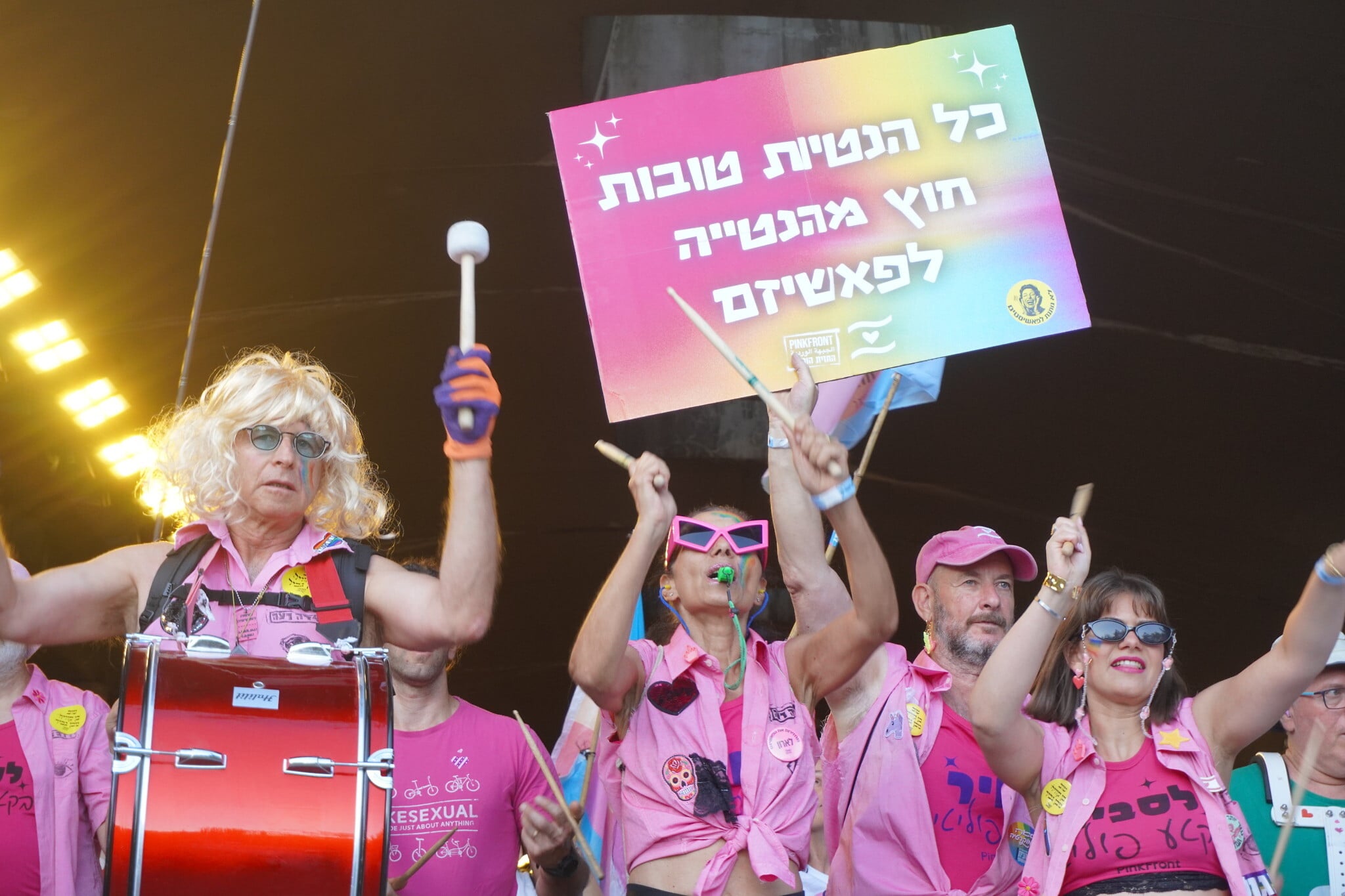
In a demonstration that highlighted the intersection of civil rights and national political volatility, thousands of participants gathered in Jerusalem for the annual Pride march. The event, which took place against the backdrop of an impending electoral cycle, saw demonstrators emphasize the broader societal implications of their cause, framing their presence as a central component of an ongoing struggle for democratic values.
The procession, which wound its way toward the Knesset, the Israeli parliament, was marked by a heavy security presence. According to reports from the site, approximately 2,000 police officers were deployed to manage the route and ensure the safety of the marchers. Amid the chants for democracy, many participants were observed holding ballot boxes—a symbolic gesture intended to underscore the significance of the upcoming national elections and the stakes involved for the country’s diverse communities.
A Fateful Moment for Civil Society
For many of those in attendance, the march was not merely a celebration of identity but a somber reflection on the current state of the nation. The atmosphere was notably impacted by the ongoing security and political challenges facing the country, particularly following the events of October 7. Among the speakers and prominent figures present were family members and partners of soldiers who had lost their lives in combat.
One attendee, whose partner was killed during the fighting, described the current political landscape as a “fateful” time for the state. This sentiment resonated throughout the crowd, as marchers linked the protection of minority rights to the broader health of Israel’s democratic institutions. The alignment of Pride events with political advocacy has become a recurring theme in recent years, as organizers seek to leverage the visibility of the march to influence public discourse ahead of legislative shifts.
The role of the Knesset as a destination for the marchers served as a clear message to lawmakers. By congregating at the seat of government, protesters sought to place the issues of equality, secularism, and democratic oversight at the forefront of the political agenda. This strategy of high-visibility advocacy is intended to pressure representatives to address concerns regarding civil liberties as they prepare for the next parliamentary session.
Security and Oversight in the Capital
The logistics of the event required extensive coordination between city officials and law enforcement. With thousands of attendees expected, the Jerusalem District Police implemented a comprehensive security plan. The deployment of 2,000 officers was part of a larger effort to prevent friction in a city known for its complex religious and political sensitivities. The route was carefully monitored to balance the right to public assembly with the need to maintain order in the capital.
Jerusalem, which remains a focal point for international and regional attention, often serves as the stage for such high-stakes demonstrations. As the city continues to navigate its dual identity as a site of deep historical veneration and a modern administrative center, the Pride march stands as a testament to the persistent debates over the character of the state. For further information on the legislative processes and the upcoming election schedule, citizens and observers are encouraged to monitor updates from the official Knesset website.
Understanding the Broader Struggle
The rhetoric of “democracy” heard throughout the march reflects a wider, ongoing debate within the country regarding the balance between traditional values and liberal democratic principles. Analysts often point to these public gatherings as indicators of the polarization currently affecting the electorate. As the nation approaches its next electoral checkpoint, the influence of civil society groups, including those advocating for LGBTQ+ rights, remains a critical factor in shaping the campaign platforms of various political parties.
The intersection of these movements with the memory of the October 7 conflict adds a layer of gravity to the discourse. The participation of individuals directly affected by the war has shifted the narrative, framing the defense of rights not as a peripheral issue, but as a core element of national resilience. As the country moves toward the next official election date, the visibility of these groups suggests that the debate over the nation’s democratic direction will continue to intensify.

For those interested in following the legislative developments or reviewing the official records of parliamentary proceedings, the government portal provides ongoing access to policy updates and election-related announcements. The intersection of grassroots activism and high-level political decision-making remains one of the most dynamic aspects of the current national landscape.
We invite our readers to join the conversation regarding these developments. How do you view the role of public demonstrations in influencing national policy during times of crisis? Please share your perspectives in the comments section below, and stay tuned to World Today Journal for continued, balanced reporting on global affairs.