
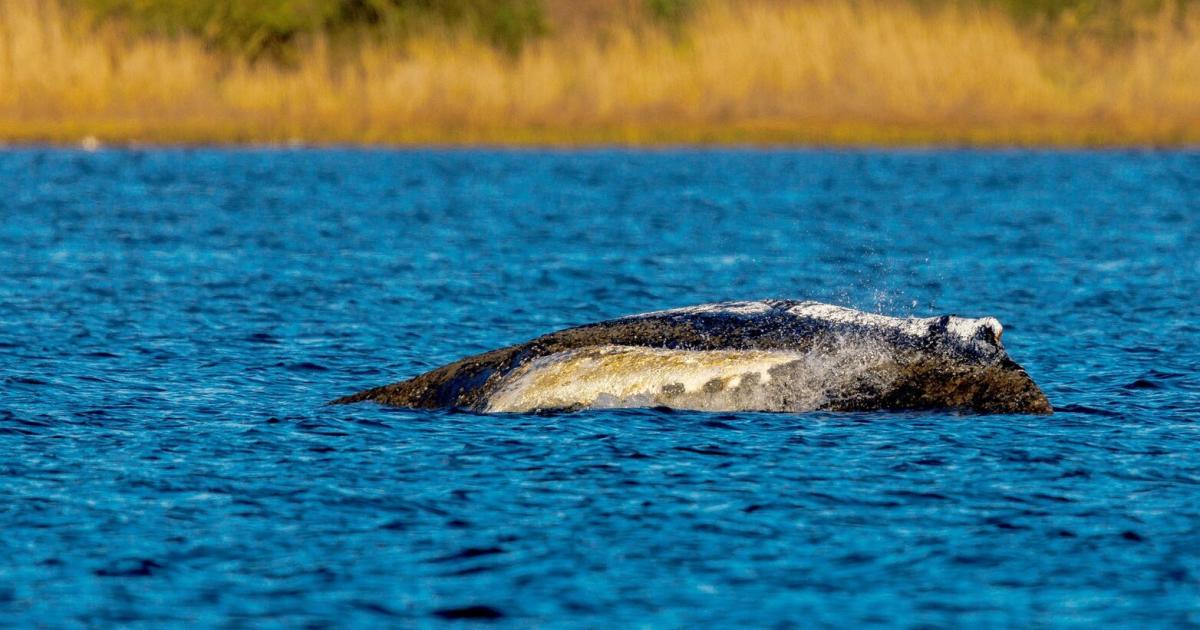
The recent death of a humpback whale, known to local observers and researchers as “Timmy,” has drawn significant international attention to the challenges of marine mammal strandings in the Kattegat Sea. Following the discovery of the carcass on the shores of Anholt, a remote Danish island, experts concluded a complex post-mortem examination this week. Despite a thorough investigation involving multiple marine biologists and veterinarians, the definitive cause of death remains elusive, leaving researchers with more questions than answers regarding the health of the North Atlantic whale population.
As the Editor of the World section here at World Today Journal, I have followed the reporting on this case closely. The investigation into the humpback whale’s death serves as a stark reminder of how little we often know about the lives—and final moments—of these massive creatures. While the initial autopsy of the humpback whale did not provide a smoking gun, the findings have reignited discussions about the environmental stressors facing whales in European waters, including parasitic loads and the impact of human maritime activity.
The Investigation on Anholt
The logistical challenges of performing a necropsy on a stranded whale of this size are immense. When the carcass was first identified, local authorities and scientists from the University of Copenhagen’s Natural History Museum coordinated a specialized team to conduct the examination directly on the beach. Such operations are rarely straightforward; they require heavy machinery for dissection and strict safety protocols to manage the risks associated with decomposing marine mammals, which can accumulate significant internal gases.

During the process, scientists successfully retrieved various tissue samples to screen for viral infections, environmental toxins, and underlying health conditions. While reports of parasites in the whale’s kidneys surfaced during the preliminary analysis, experts caution against assuming these were the primary cause of death. Parasitic infections are common in wild cetaceans and do not necessarily indicate a fatal pathology. The complexity of the findings highlights the inherent difficulties in determining a cause of death for animals that spend the vast majority of their lives beneath the surface, far from the reach of consistent biological monitoring.
Environmental Stressors and Marine Health
The humpback whale is a migratory species, and their presence in the Kattegat—the narrow sea between Denmark and Sweden—is not entirely unprecedented but remains an event of scientific interest. Marine biologists often monitor these strandings to assess whether the animals were suffering from malnutrition or if they had been exposed to pollutants that could compromise their immune systems. The International Union for Conservation of Nature (IUCN) emphasizes that while humpback populations have shown signs of recovery globally, localized threats such as ship strikes, entanglement in fishing gear, and noise pollution continue to pose significant risks to individual health.

In this instance, the absence of a clear cause of death suggests that the whale may have succumbed to a combination of factors rather than a single, catastrophic injury. Researchers are now looking toward the results of extensive laboratory testing, which can take several weeks to process. These tests are essential for detecting subtle indicators of systemic illness that are not visible during a standard field necropsy. The data collected from the Anholt stranding will be integrated into broader European marine databases, helping to refine our understanding of humpback migration patterns and mortality rates in the Baltic and North Sea corridors.
The Scientific Process of a Whale Necropsy
For those unfamiliar with the scientific rigor behind these operations, a necropsy is far more than a simple examination. It is a systematic, forensic approach to understanding an animal’s life history. The team on Anholt followed standard procedures to ensure that the ecological footprint of the operation was minimized while maximizing the scientific yield. This includes:
- Blubber Analysis: Measuring the thickness and chemical composition of the blubber to assess the animal’s nutritional state prior to death.
- Organ Inspection: Examining the heart, lungs, and kidneys for signs of infection, inflammation, or damage from ingested plastics or debris.
- Bone Examination: Checking for evidence of past trauma or fractures that might have hindered the whale’s ability to hunt or migrate effectively.
By conducting these examinations, the scientific community gains vital insights into the “silent” threats facing marine life. Every whale that washes ashore provides a unique data point in a larger puzzle. Even when a definitive cause of death remains elusive, the samples secured during the procedure contribute to a global repository of knowledge regarding cetacean physiology and health.
What Happens Next
As the immediate site work on Anholt concludes, the focus shifts to the laboratory. The next milestone in this case will be the publication of the final necropsy report, which will synthesize the findings from the microscopic analysis of the tissue samples. While there is no set date for the release of these results, the scientific team has indicated that their review will be thorough, given the public and scientific interest in the specimen.
For the residents of Anholt and the wider marine research community, the case of the humpback whale serves as a poignant reminder of our interconnectedness with the ocean. We will continue to monitor updates from the Danish research institutions regarding the final laboratory outcomes. If you have thoughts on this story or want to learn more about how international research teams coordinate during such events, I invite you to share your perspective in the comments section below. Accurate, science-based reporting is our priority, and we look forward to providing further updates as they become available.