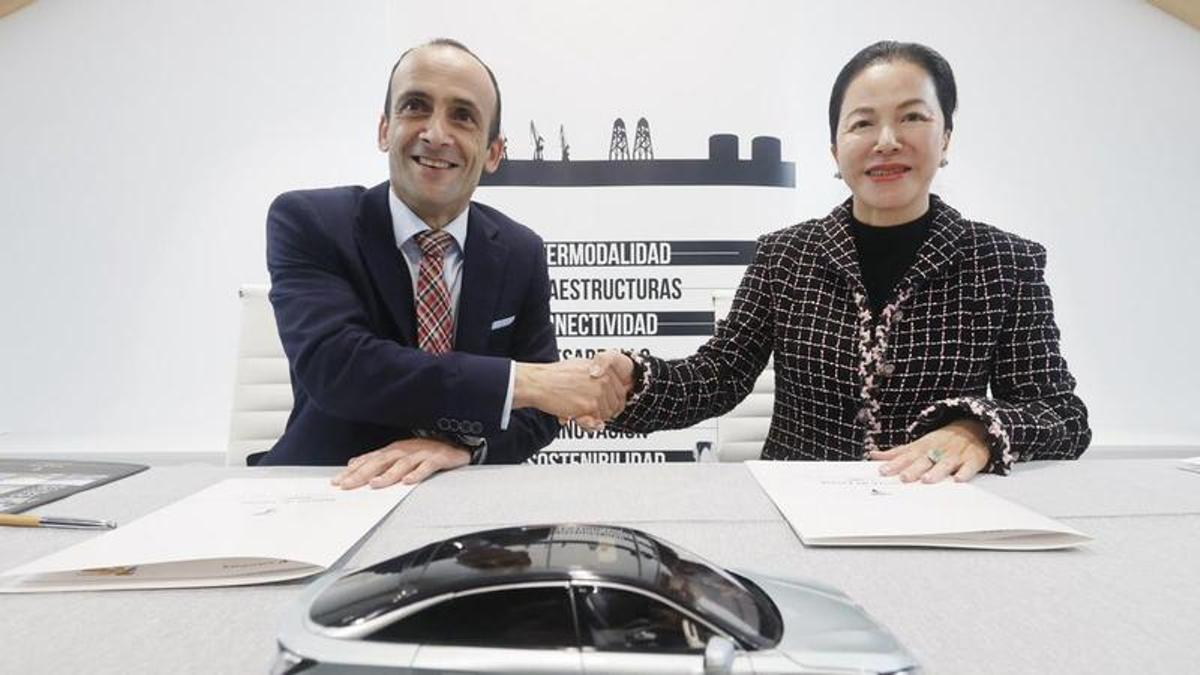
The European automotive landscape is currently navigating a complex period of transition as global manufacturers adjust to shifting trade policies and regional industrial strategies. Among the most prominent developments in this sector are the evolving plans for electric vehicle (EV) production and distribution in Spain, particularly within the strategic industrial hub of the Port of Ferrol in Galicia. As the European Union continues to refine its stance on imported electric vehicles, the intersection of international investment and regional manufacturing capacity has become a focal point for economic observers and industry stakeholders alike.
The recent discourse surrounding the potential for large-scale automotive projects in Ferrol highlights a broader effort by regional authorities to bolster Galicia’s standing as a premier destination for industrial innovation. Officials, including the President of the Xunta de Galicia, Alfonso Rueda, have emphasized the region’s inherent capability to capitalize on emerging opportunities, noting that the logistical advantages offered by the Port of Ferrol provide a significant platform for attracting international capital and manufacturing expertise. This push for industrial development is designed to integrate the regional automotive supply chain into global production networks, aiming to turn local manufacturing prowess into a key component of the European green transition, as detailed in the official statements from the Xunta de Galicia.
Navigating Trade Policy and Industrial Strategy
The ambition to establish Ferrol as a hub for electric vehicle activity faces a challenging regulatory environment, primarily driven by the European Commission’s ongoing review of trade tariffs on vehicles manufactured in China. These measures, intended to address concerns regarding market distortion and subsidies, have directly influenced the strategic calculus for companies looking to expand their footprint in Europe. The import of vehicles from non-EU manufacturers is now subject to heightened scrutiny, forcing firms to re-evaluate whether to rely on direct exports or to establish local production facilities that bypass these trade hurdles.
For stakeholders in the Galician automotive sector, the goal is not merely to facilitate imports, but to secure long-term investments that prioritize local manufacturing. The strategy involves creating a robust ecosystem where local suppliers can play a meaningful role in the assembly and distribution of high-tech vehicles. Industry representatives, such as those associated with MG, have indicated a strong interest in deepening collaboration with the local network of automotive suppliers in Galicia to ensure that production processes are deeply rooted in the region’s industrial heritage, according to reports on regional economic developments.
The Role of the Port of Ferrol
The Port of Ferrol has been identified as a critical asset in this transition, offering the necessary infrastructure to handle the complexities of modern automotive logistics. By positioning itself as a gateway for both finished vehicles and the components required for assembly, the port serves as the physical manifestation of Galicia’s strategy to attract international industrial players. This development is part of a wider effort to diversify the regional economy, which has historically relied on shipbuilding and traditional manufacturing, by pivoting toward the high-growth sector of electromobility.
However, the transition is not without its hurdles. The volatility of international trade relations means that companies must remain agile, balancing the need for global supply chain efficiency with the requirement to comply with the European Union’s shifting regulatory requirements. The European Commission’s investigation into subsidies for electric vehicles produced in China remains a decisive factor in how these projects are structured, as firms seek to mitigate the impact of potential duties through localized production strategies.
Stakeholder Perspectives and Economic Impact
For the local workforce and the regional economy, the prospect of hosting major automotive operations represents a significant opportunity for job creation and technological advancement. By integrating into the supply chains of global manufacturers, local companies can gain access to new markets and technical standards, effectively modernizing the regional industrial base. This process requires not only capital investment but also a sustained commitment to training and development to ensure the local workforce is equipped to handle the demands of advanced electric vehicle manufacturing.
The ongoing dialogue between regional government officials and international corporations suggests that there is a mutual interest in overcoming the current trade-related bottlenecks. While the immediate focus remains on navigating the regulatory landscape, the long-term outlook for the Port of Ferrol is tied to its ability to demonstrate that it can offer a stable, high-quality environment for high-tech industrial activity. As the situation develops, observers are looking toward the next round of policy announcements from Brussels and further updates from the Xunta de Galicia regarding the status of industrial agreements.
Looking Ahead: Next Steps
The next major checkpoint for this sector will be the finalization of the European Commission’s determinations regarding countervailing duties on imported electric vehicles, which will dictate the competitive landscape for the remainder of the year. Investors and industry players are expected to await these official rulings before committing to further phases of their European expansion strategies. For the region of Galicia, the focus remains on maintaining its competitive edge as a prime location for industrial investment, with further updates expected from regional authorities as project negotiations continue to evolve.
We invite our readers to share their insights on the future of the European electric vehicle market and the impact of regional industrial policies. Your perspectives are a vital part of the global economic conversation as we navigate this period of significant change.
Related reading