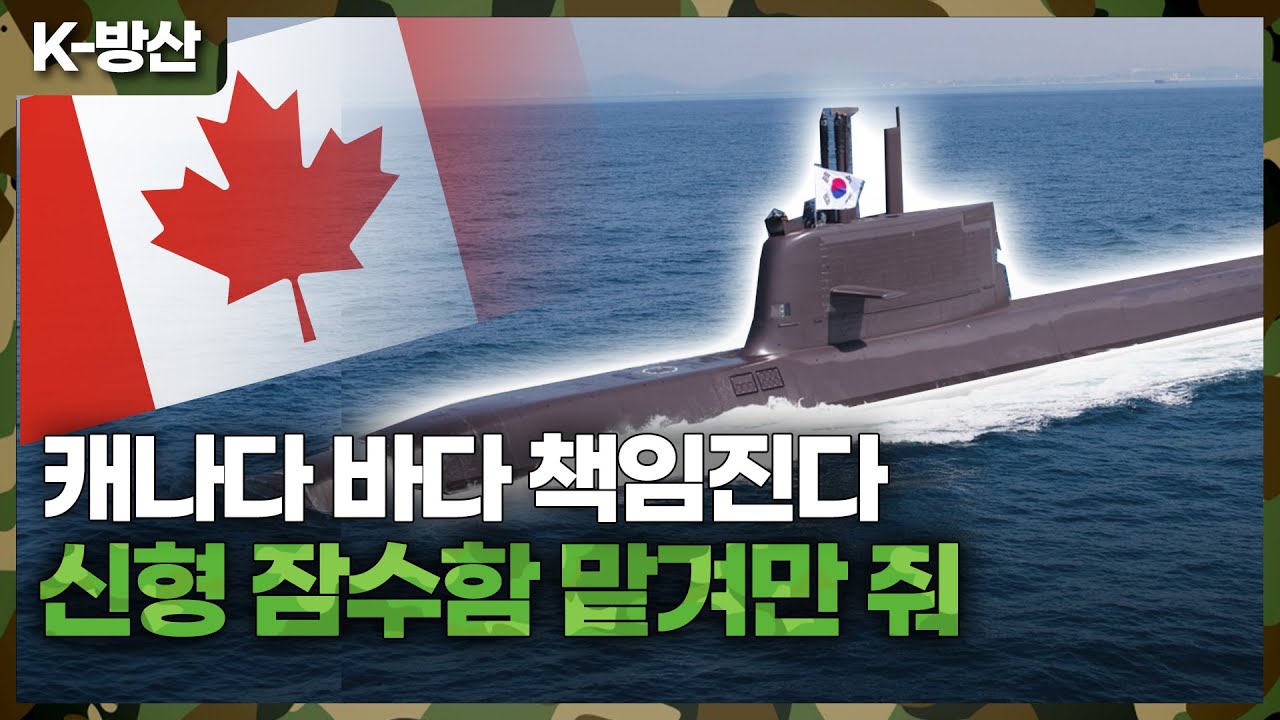
As the international defense landscape shifts toward more collaborative, multi-faceted procurement strategies, South Korea is positioning itself as a comprehensive partner for Canada’s ambitious naval modernization efforts. The Canadian Patrol Submarine Project (CPSP), a long-term initiative to replace the Royal Canadian Navy’s aging Victoria-class fleet, has become a focal point of intense global competition. Seoul’s recent overtures suggest a strategy that moves beyond simple hardware sales, proposing a multi-billion dollar integration of hydrogen energy infrastructure to align with Canada’s broader environmental and industrial goals.
The interest from the South Korean government, often characterized by its “Team Korea” approach, involves coordinating state-led initiatives with private sector giants like Hyundai Motor Group. While the exact valuation of the potential defense contract remains a subject of intense speculation—with estimates often cited in the tens of billions of dollars—the Canadian government has officially initiated the process of engaging with industry leaders to determine the requirements for their future fleet. According to the Public Services and Procurement Canada (PSPC), this project is in the preliminary engagement phase, focused on defining the capabilities necessary to operate in diverse environments, including the Arctic.
Beyond Hardware: The Hydrogen Strategy
What distinguishes the South Korean proposal from other international contenders is the emphasis on industrial synergy. Recent reports indicate that the South Korean government has proposed a massive investment in hydrogen ecosystems, valued in the range of several billion dollars, as a strategic sweetener to the CPSP bid. By linking defense procurement to the development of green energy infrastructure, Seoul is attempting to address two of Ottawa’s most pressing concerns: national security and the transition to a low-carbon economy.
Hyundai Motor Group has been at the forefront of this industrial diplomacy. The company’s focus on hydrogen fuel cell technology is well-documented and its potential integration into Canadian infrastructure would align with the Hydrogen Strategy for Canada, which aims to position the country as a global leader in clean fuel production. This approach reflects a growing trend in international relations where defense contracts are increasingly viewed as “industrial partnerships” rather than mere commercial transactions.
The Canadian Patrol Submarine Project: A Strategic Imperative
The Victoria-class submarines, which have served the Royal Canadian Navy since the late 1990s, are reaching the end of their operational lifespan. The need for a replacement is driven by the necessity to maintain sovereignty over Canada’s expansive maritime borders, particularly in the Arctic, where melting ice is opening new transit routes and intensifying geopolitical interest. As noted by the Department of National Defence, the CPSP is essential for ensuring that the Canadian Armed Forces retain a credible underwater presence capable of long-range surveillance and deterrence.
The scale of the project is significant. While specific budget figures are often debated in the media, the Canadian government has emphasized that the procurement process will be rigorous, transparent, and focused on “interoperability” with key allies, including the United States and the United Kingdom. Any successful bid must satisfy not only the technical requirements of the Navy but also the “Industrial and Technological Benefits” (ITB) policy, which requires contractors to invest a portion of the contract value back into the Canadian economy.
Key Factors in the CPSP Procurement
- Arctic Capability: The ability for the new fleet to operate effectively in ice-covered, shallow, and deep-water environments.
- Industrial Benefits: Requirements for local manufacturing, supply chain integration, and technology transfers within Canada.
- Interoperability: Ensuring the new vessels can integrate seamlessly with NATO and Five Eyes maritime operations.
- Sustainability: Alignment with Canada’s commitment to net-zero emissions, which may favor partners offering green energy solutions.
The Road Ahead: Navigating Global Competition
South Korea is not the only nation vying for this opportunity. Companies from France, Germany, Japan, and Spain have also expressed interest, bringing their own proven submarine technologies to the table. For South Korea, the challenge will be to prove that it can deliver on both the defense and the industrial infrastructure promises simultaneously. The “Team Korea” strategy, while successful in other markets, will face its most stringent test in the Canadian regulatory environment.
As the project moves forward, stakeholders expect further updates from the Canadian government regarding the Request for Information (RFI) processes and subsequent industry consultations. For observers of international trade and geopolitics, this case serves as a prime example of how modern defense procurement is being reshaped by the “greening” of industrial policy. The nexus of naval power and hydrogen energy could prove to be a defining feature of future international defense agreements.
The next major checkpoint for the CPSP will be the release of formal project requirements and the transition from preliminary engagement to a formal request for proposals. As these developments unfold, the global defense community will be watching closely to see if South Korea’s integrated hydrogen strategy provides the competitive edge necessary to secure one of the most significant naval contracts of the decade. We invite our readers to share their perspectives on this evolving story in the comments section below.
Keep reading