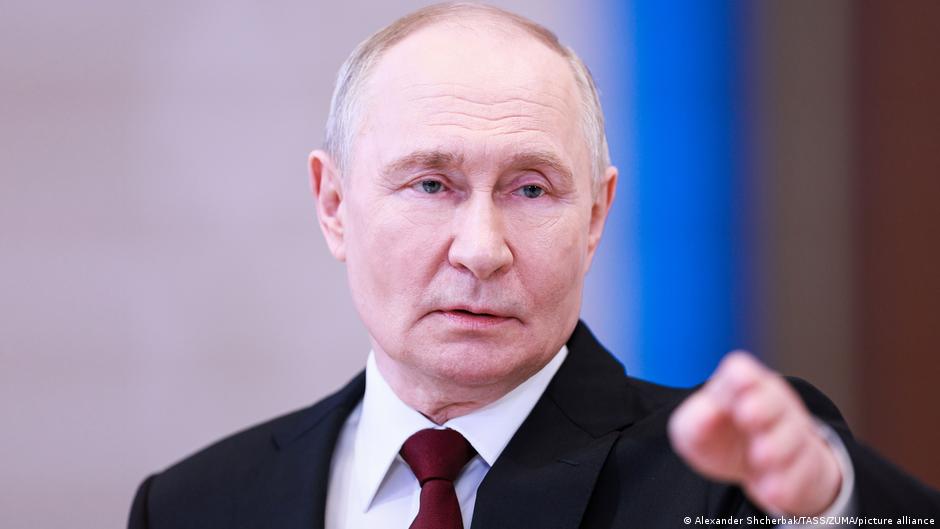
As the conflict in Ukraine enters a period of intense diplomatic maneuvering and battlefield volatility, the prospects for a durable resolution remain a central focus of international policy. Russian President Vladimir Putin has recently articulated a stance that prioritizes a definitive end to the hostilities over a temporary cessation of fire, framing the requirements for peace within the context of broader geopolitical concessions. This position, which has been communicated through various diplomatic channels, highlights the significant gap between Moscow’s stated objectives and the conditions for a negotiated settlement sought by Kyiv.
The discourse surrounding a potential peace process is complicated by divergent visions for the future of European security. While international observers and various stakeholders continue to call for an immediate end to the violence, the Russian leadership has indicated a preference for agreements that address what it terms the “security architecture” of the region. This includes explicit opposition to the expansion of military blocs, a position that directly impacts the ongoing discussions regarding the integration of regional powers into Western defensive alliances.
Divergent Paths to Peace and Security
At the heart of the current diplomatic impasse is the fundamental disagreement over what constitutes a viable peace agreement. Reports from various international news outlets indicate that while Russia has signaled a theoretical willingness to engage in discussions involving mutual concessions, the specific nature of those concessions remains undefined and highly contentious. Ukrainian leadership, conversely, has maintained that any credible path forward must begin with a comprehensive ceasefire and a direct, high-level dialogue to address the sovereignty and territorial integrity of the nation.
The tension is further exacerbated by accusations regarding the supply of military hardware. Russian officials have pointed to the significant influx of unmanned aerial vehicles (UAVs) and other advanced technology provided by Western nations to the Ukrainian armed forces. This flow of military aid is characterized by Moscow as an escalatory factor that complicates the diplomatic environment, while Western capitals maintain that such support is essential for Ukraine’s right to self-defense under international law, as outlined in the Charter of the United Nations.
The geopolitical stakes extend beyond the immediate borders of the conflict. The European Union’s role and its evolution into a more cohesive political and security entity have become a focal point of Russian rhetoric. Putin has stated that Moscow remains opposed to the transformation of the European Union into a military-aligned bloc, an assertion that touches upon the foundational principles of the European Union’s common security and defense policy. This stance reflects a long-standing desire by the Kremlin to influence the strategic orientation of neighboring states and the structure of security cooperation across the continent.
The Impact of Military Escalation on Negotiations
The rhetoric surrounding peace talks often contrasts sharply with the reality on the ground. Military activities continue to claim civilian lives and disrupt critical infrastructure, which in turn diminishes the atmosphere of trust required for formal negotiations. International human rights organizations and the United Nations Independent International Commission of Inquiry on Ukraine have consistently documented the toll of the conflict, emphasizing the urgent need for a cessation of hostilities to prevent further humanitarian catastrophe.
The reliance on large-scale drone strikes and missile barrages, as noted in recent reports, underscores the shift toward a war of attrition. Experts in international relations suggest that this strategy is intended to pressure the opposing side into making political concessions, yet such actions often have the opposite effect by hardening public resolve and reducing the political space available for compromise. As the conflict persists, the international community continues to monitor whether the stated willingness to negotiate will translate into concrete diplomatic steps or if the strategy of military pressure will remain the primary instrument of statecraft.
Looking Ahead: The Diplomatic Horizon
As we move into the coming months, the focus will likely remain on whether any third-party mediation efforts can bridge the profound divide between the parties. The complexity of the situation is compounded by the fact that both sides have firmly held red lines that currently appear irreconcilable. For the international community, the challenge lies in fostering a framework that respects international law while acknowledging the security concerns of all involved, a task that has proven exceptionally difficult since the escalation of hostilities in 2022.
For our readers, staying informed requires a commitment to monitoring official statements from the respective ministries of foreign affairs and the updates provided by international monitoring bodies. We encourage you to engage with these developments critically and to share your perspectives on the potential for a diplomatic breakthrough in the comments section below. As events unfold, we will continue to provide balanced, evidence-based reporting to ensure you remain fully informed on this critical global issue.
Related reading