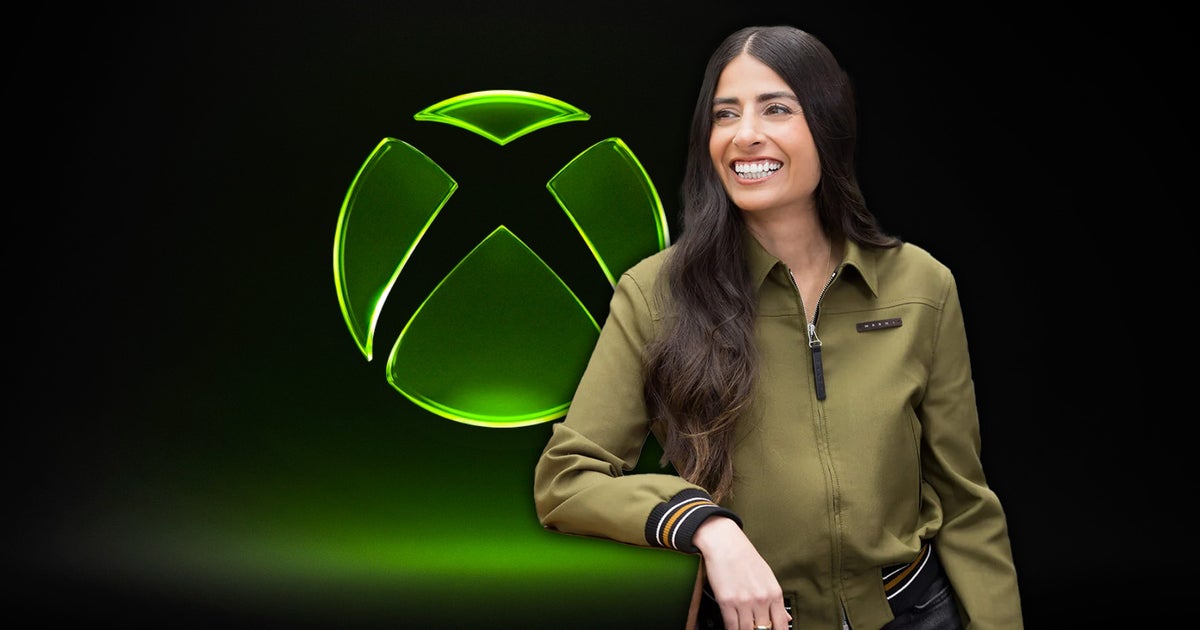
As the gaming industry continues to evolve, the question of console exclusivity remains a central point of tension for major hardware manufacturers. Asha Sharma, who serves in a leadership capacity at Xbox, has recently navigated the complexities of this ongoing debate, particularly as Microsoft balances its role as a platform holder with its status as one of the world’s most prominent third-party game publishers.
Following her transition into her current role, Sharma has faced persistent inquiries regarding the company’s long-term strategy for first-party titles. During a recent appearance at the Bloomberg Tech Live event held on June 4, 2026, the discussion centered on whether a firm commitment to exclusive content is sustainable in a market that is increasingly shifting toward cross-platform availability and cloud-based distribution models. The conversation underscored the inherent challenges of managing a brand that must cater to a dedicated console base while simultaneously expanding its reach across diverse hardware ecosystems.
The Strategic Balancing Act
The core of the discussion involves the fundamental definition of a “platform” in the modern era. For years, the gaming industry relied on the “walled garden” approach, where high-profile software titles were locked to specific hardware to drive sales. However, Microsoft’s aggressive expansion into subscription services and multi-platform publishing has complicated this traditional paradigm. By positioning itself as a publisher that serves players on PC, mobile, and competing consoles, the company has effectively challenged the necessity of exclusivity as a primary driver for hardware adoption.
During the Bloomberg Tech Live session, the dialogue highlighted a nuanced reality: to successfully maintain a platform, a company must offer a unique value proposition that justifies the hardware investment. Yet, the financial incentives to bring titles to the widest possible audience—thereby maximizing revenue from software sales—often run counter to the desire to keep games exclusive. This duality creates a strategic tug-of-war that leadership must address as they look toward the next generation of gaming hardware and services.
Evolving Market Dynamics
The shift in strategy is not merely a matter of corporate preference but a reaction to broader market trends. As digital storefronts and streaming services become more prevalent, the geographic and hardware-based barriers that once defined the industry are beginning to erode. For Microsoft, the goal appears to be an ecosystem-agnostic approach, where the “Xbox” brand represents a service rather than just a physical box beneath a television.
This approach has been met with both enthusiasm from players who prioritize accessibility and skepticism from those who view exclusivity as a vital component of brand identity. The challenge for executives like Sharma is to articulate a path forward that preserves the prestige of Xbox-developed titles while maintaining the revenue growth required by shareholders. As the industry moves further into 2026, observers are closely watching how these conflicting priorities will be reconciled in future product roadmaps and publishing agreements.
What Lies Ahead
The industry remains in a state of transition, and the strategy regarding first-party exclusivity is likely to undergo further refinement. Stakeholders are particularly interested in how Microsoft will differentiate its offerings from competitors who continue to lean heavily into traditional, hardware-locked release strategies. While no definitive policy shift has been announced, the ongoing dialogue suggests that the definition of “exclusive” is becoming increasingly fluid.
For now, the focus remains on the integration of existing publishing assets and the continued growth of services like Game Pass. As we look toward the next official update from the company regarding its long-term hardware and software roadmap, the industry will continue to dissect every statement for clues about the future of the Xbox ecosystem.
We invite our readers to join the conversation in the comments section below. How do you view the future of console exclusivity? Is the platform-agnostic approach the right path for the industry, or does it risk diluting the value of dedicated gaming hardware? Share your thoughts as we continue to track these developments.
Keep reading