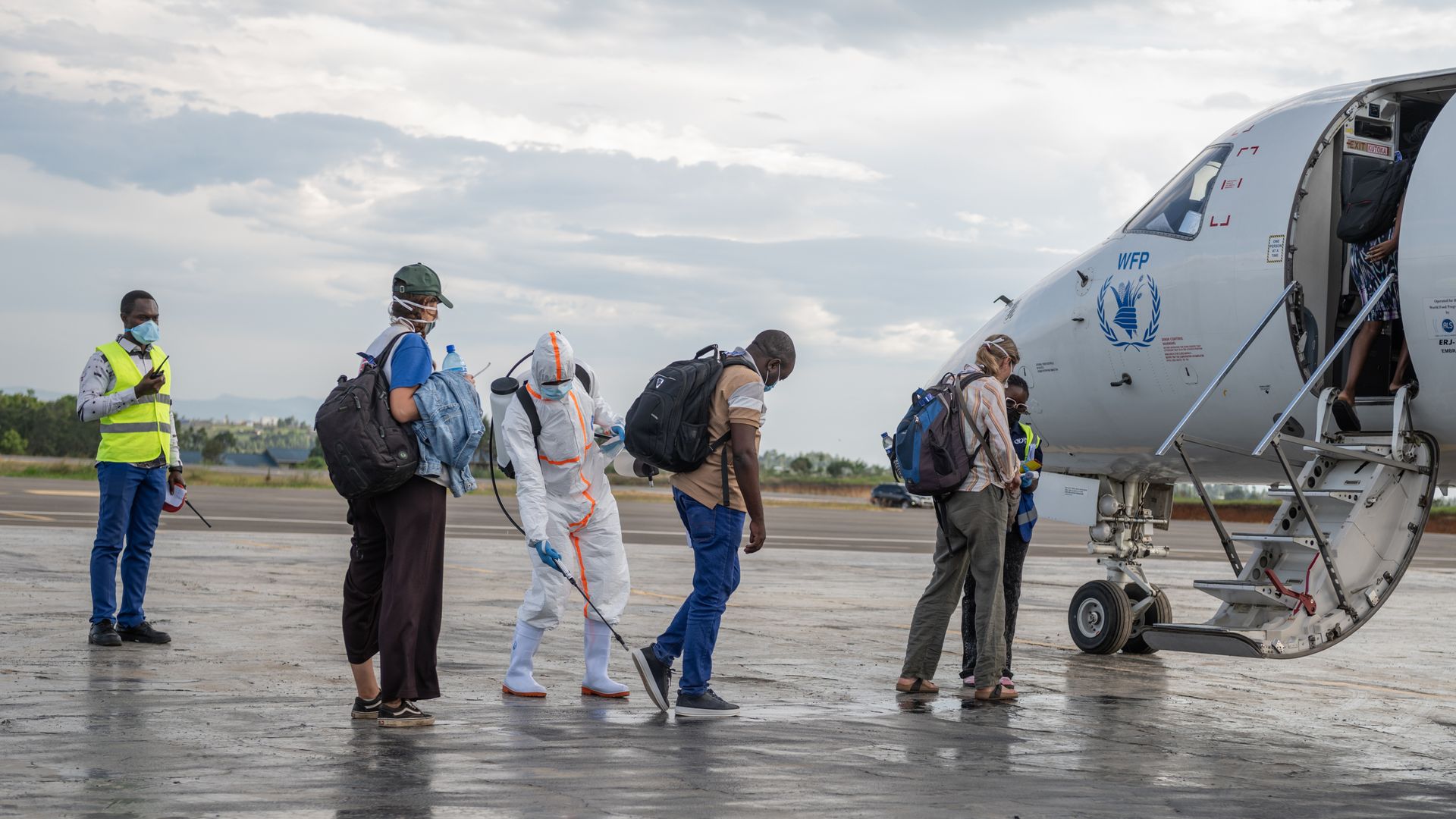
As the international community grapples with the resurgence of Ebola, the World Health Organization (WHO) has announced a significant financial and operational mobilization to curb the spread of the virus. The organization has unveiled a $518 million plan designed to bolster response efforts over the next six months as public health officials report a concerning rise in case numbers. This comprehensive strategy aims to strengthen surveillance, improve treatment infrastructure, and enhance community engagement in affected regions, according to the latest official statement from the WHO.
The Ebola virus disease (EVD) remains a severe, often fatal illness, characterized by outbreaks that place immense pressure on fragile health systems. The current initiative, which translates to approximately £386 million, reflects an urgent pivot toward containment. By securing these resources, the WHO intends to coordinate a multi-sectoral approach that involves not only medical intervention but also the logistical support necessary to manage an outbreak of this scale in resource-limited settings. The focus remains on stopping transmission chains before they reach urban centers where the potential for rapid spread is significantly higher.
For those following global health security, understanding the scope of this financial commitment is essential. The funding is earmarked for critical areas, including the deployment of rapid response teams, the procurement of personal protective equipment (PPE), and the strengthening of laboratory diagnostic capacities. As we monitor this developing situation, the international response will require sustained cooperation between local ministries of health and global partners to ensure that the resources reach the most vulnerable communities effectively.
Addressing the Escalating Health Crisis
The decision to launch this six-month response plan follows a period of mounting concern among epidemiologists regarding the efficacy of current containment measures. The rise in cases, while geographically concentrated, has prompted the WHO to increase its alert level to ensure that funding is available to prevent a broader regional escalation. The mobilization of $518 million is intended to fill critical gaps in the current response, specifically addressing the shortage of trained personnel and the need for enhanced cold-chain logistics for potential medical countermeasures, as detailed in the WHO Disease Outbreak News portal.
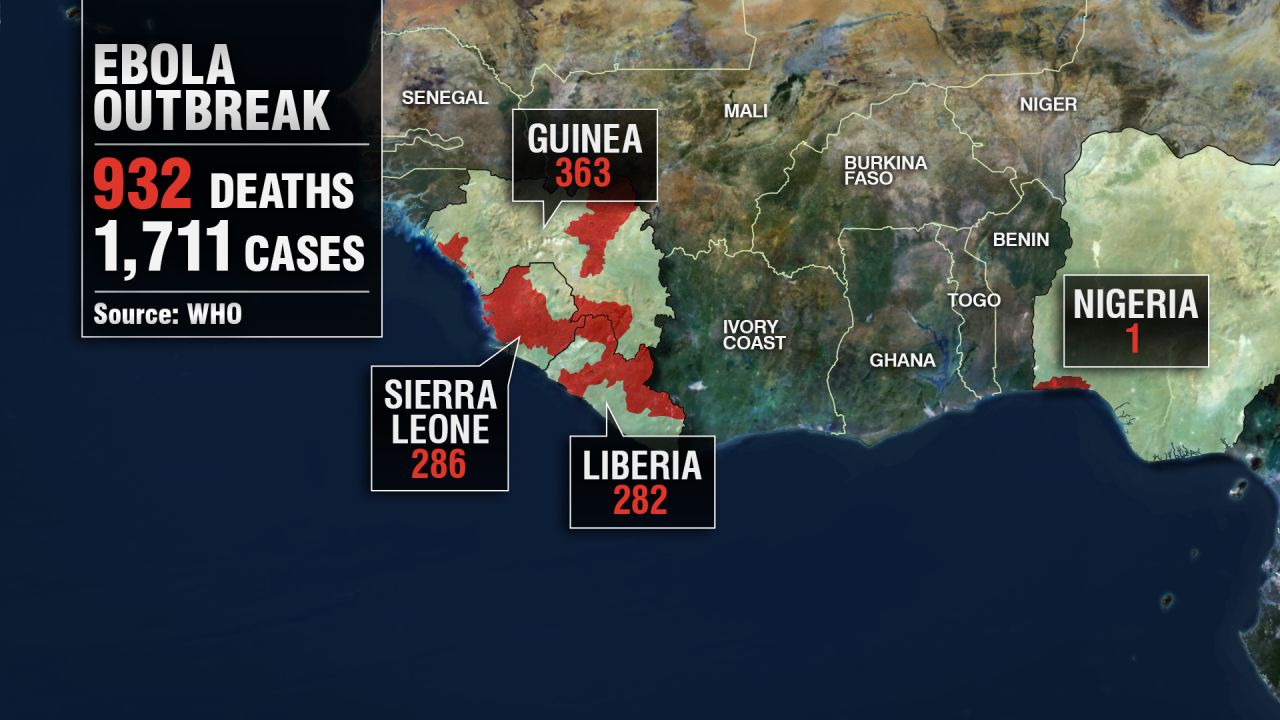
The strategy focuses on three primary pillars:
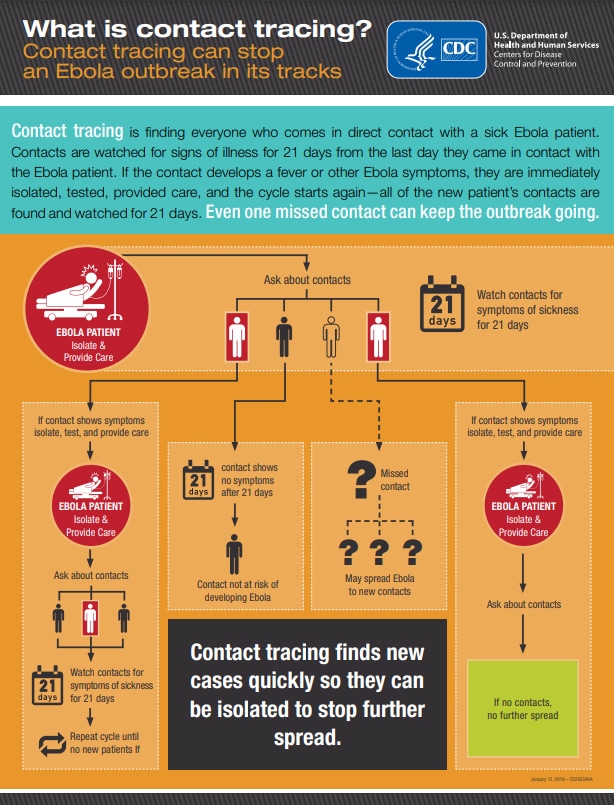
- Enhanced Surveillance and Contact Tracing: Identifying new cases early is the most effective way to break transmission. The plan allocates significant resources to community-based surveillance networks.
- Clinical Management and Infection Prevention: Improving the quality of care in treatment centers to increase survival rates and prevent health-care-associated infections.
- Risk Communication and Community Engagement: Working with local leaders to build trust, dispel myths, and encourage community participation in prevention activities.
The logistical complexity of managing an Ebola outbreak cannot be overstated. In previous instances, the inability to quickly isolate cases and trace contacts has been the primary driver of epidemic growth. By securing this funding now, the WHO aims to preempt such failures, ensuring that frontline workers have the tools they need to operate safely and efficiently.
Why This Funding Matters for Global Security
The interconnected nature of modern travel and trade means that localized health emergencies can quickly become global concerns. The WHO’s proactive stance is a recognition that the cost of inaction far exceeds the price of containment. By investing in regional health infrastructure, the international community is not only protecting the immediate population but also contributing to the stability of the broader region. This approach aligns with the International Health Regulations (IHR), which mandate that member states work together to prevent the international spread of disease.
Humanitarian aid organizations and international partners are expected to play a vital role in executing this plan. The coordination of these efforts is managed through the WHO’s Health Emergencies Programme, which serves as the central hub for policy, logistics, and technical guidance. For local communities, the presence of well-funded, well-equipped health teams provides a critical lifeline, offering not just medical treatment but also the psychological support necessary to navigate the fear and uncertainty that often accompany an Ebola outbreak.
Looking Ahead: Monitoring the Response
As the implementation of the six-month plan begins, the international community will be watching the case numbers closely. The effectiveness of this response will be measured by the ability of health authorities to stabilize the number of new infections and eventually see a decline. Regular updates will be provided through the WHO’s official dashboards, which track the trajectory of the outbreak in real-time. It is essential for the public to rely on verified information from these official sources, as misinformation can hinder containment efforts and put lives at risk.

The next major checkpoint for this initiative will be the mid-term review scheduled for late August 2026, where officials will evaluate the deployment of funds and the epidemiological impact of the response measures. This assessment will be crucial in determining whether additional resources or adjustments to the strategy are required to bring the outbreak to a definitive end.
We invite our readers to stay informed by following the official updates from the WHO and local health ministries. If you have questions about the global response or the nature of this health security challenge, please share them in the comments section below. Your insights and questions help us maintain a robust, fact-based conversation on the issues that affect us all.