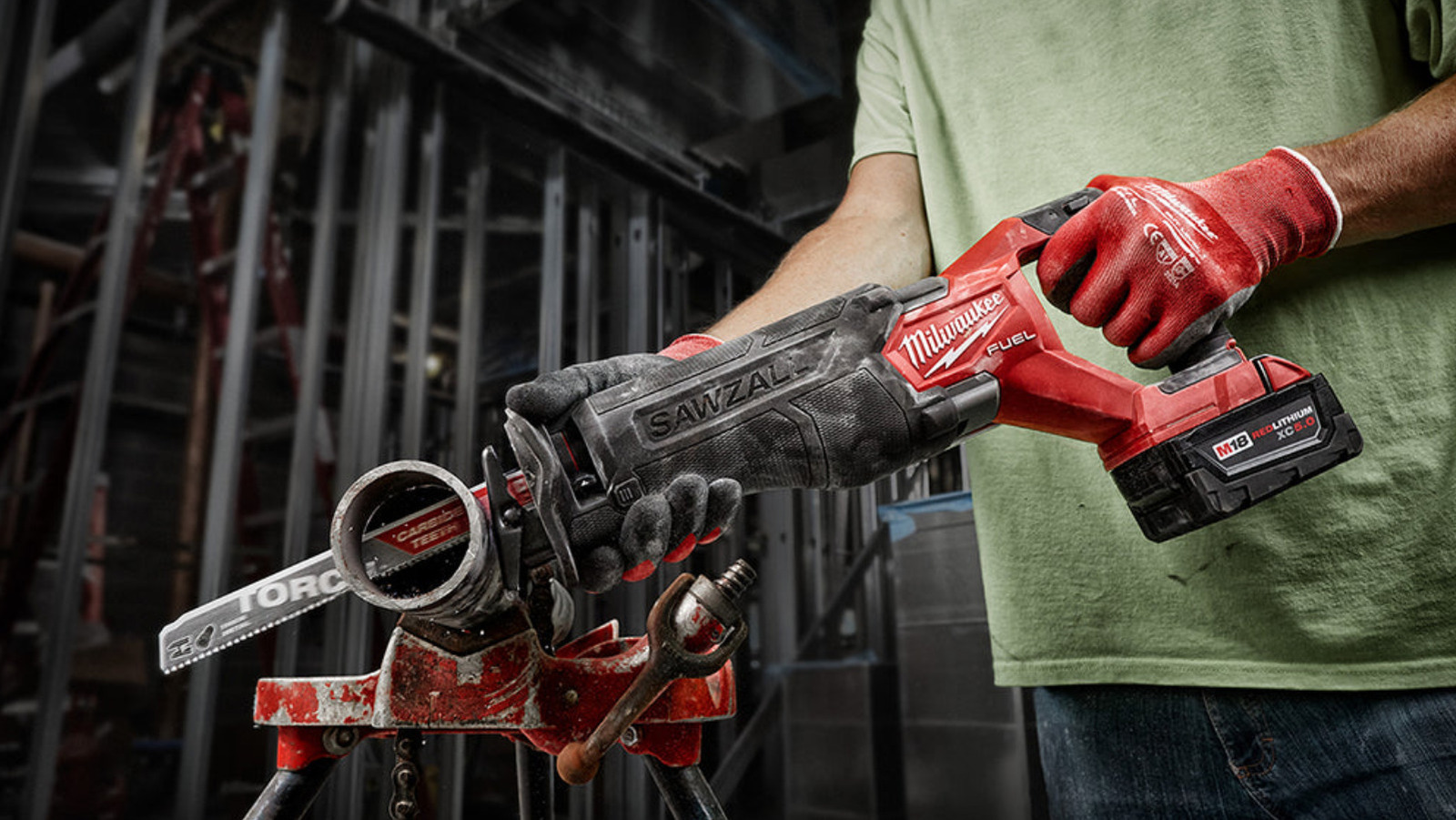
In the competitive landscape of professional-grade equipment, the debate over which brand delivers the most substantial power often pits legacy manufacturers against high-output battery systems. While Snap-On has long maintained a reputation for quality, particularly within automotive and mechanical repair circles, the industry has seen a significant shift toward cordless innovation. For professionals seeking tools that offer superior torque and performance, Milwaukee Tool has emerged as a powerhouse, particularly through its high-performance battery platforms and specialized equipment lines.
As a technology editor, I often evaluate how power density—the ability to pack immense force into a portable form factor—is redefining the job site. The transition from pneumatic and corded tools to advanced lithium-ion systems is not merely a matter of convenience; it is a fundamental change in how much work can be accomplished in a single shift. When analyzing the top tools that provide an edge in raw power, the focus often shifts to Milwaukee’s M18 and MX FUEL systems, which are designed to compete with, and in several metrics exceed, traditional power standards.
Engineering Power: The Shift Toward Cordless Performance
The core of this performance shift lies in battery technology. Milwaukee Tool, which has been manufacturing heavy-duty power tools and accessories for decades, has heavily invested in the M18 REDLITHIUM and the newer FORGE battery packs. These systems are designed to deliver consistent power output under heavy loads, a critical requirement for tradespeople who demand tools that do not stall or fade during intensive use. According to the company’s official product specifications, these batteries are engineered to maintain thermal efficiency, allowing for higher amperage draw without triggering safety shutdowns prematurely.
For many mechanics and industrial contractors, the transition to these systems is driven by the “portable productivity” factor. By removing the need for air hoses or power cords, these tools allow for greater mobility without sacrificing the torque necessary for heavy fastening or drilling applications. The integration of the ONE-KEY system further allows users to customize tool performance and manage inventory, adding a layer of digital utility that complements the hardware’s raw mechanical output.
Key Milwaukee Tools That Challenge Industry Standards
When looking at the specific categories where Milwaukee’s power output is most notable, four categories stand out for their ability to handle high-demand tasks that were historically reserved for corded or pneumatic tools:

- MX FUEL Equipment: This line represents a significant departure from standard cordless tools, designed to replace gas-powered equipment. Whether it is concrete saws or large-scale light towers, the MX FUEL system provides the necessary torque and runtime to handle heavy-duty tasks that were previously impossible for battery-operated units.
- M18 FUEL High-Torque Impact Wrenches: These tools are frequently cited by professionals for their ability to break loose stubborn fasteners. The high-torque output of these wrenches often exceeds the capabilities of standard pneumatic tools, providing a level of reliability that is essential in automotive repair environments.
- SAWZALL Reciprocating Saws: A staple in demolition and construction, the M18 FUEL version of this tool utilizes advanced motor technology to maintain high strokes-per-minute even when cutting through dense materials, offering a power-to-weight ratio that is tough to match.
- M12 FUEL Ratchets: While smaller in footprint, the M12 line has revolutionized tight-space mechanics. The power density of these ratchets allows technicians to perform fastening tasks in confined areas where larger tools—or even manual tools—would be inefficient or impossible to use.
Why Power Density Matters for the Modern Professional
The pursuit of “more powerful” tools is ultimately about efficiency. In the trades, time is the most expensive commodity. A tool that can complete a fastening or cutting task in seconds rather than minutes—without requiring a recharge or a trip to a power source—directly impacts a project’s bottom line. Milwaukee’s focus on the “heavy-duty” segment is a deliberate strategy to address these pain points. By focusing on the integration of hardware and battery chemistry, they have successfully positioned their tools as high-performance alternatives to traditional mechanical brands.
the durability of these tools—often marketed under the “HEAVY DUTY” banner—is critical for professionals who work in diverse environments, from automotive shops to large-scale construction sites. The ability to track tools and manage performance via digital interfaces adds a layer of accountability and maintenance management that is increasingly standard in modern industrial workflows.
Looking Ahead: The Future of Tool Innovation
As we look toward the remainder of 2026, the trend of replacing specialized pneumatic and gas tools with high-output battery systems is expected to continue. The technological advancements in lithium-ion battery density, as seen in the recent release of the M18 REDLITHIUM FORGE HD12.0 battery pack, suggest that the ceiling for what cordless tools can achieve is still rising.
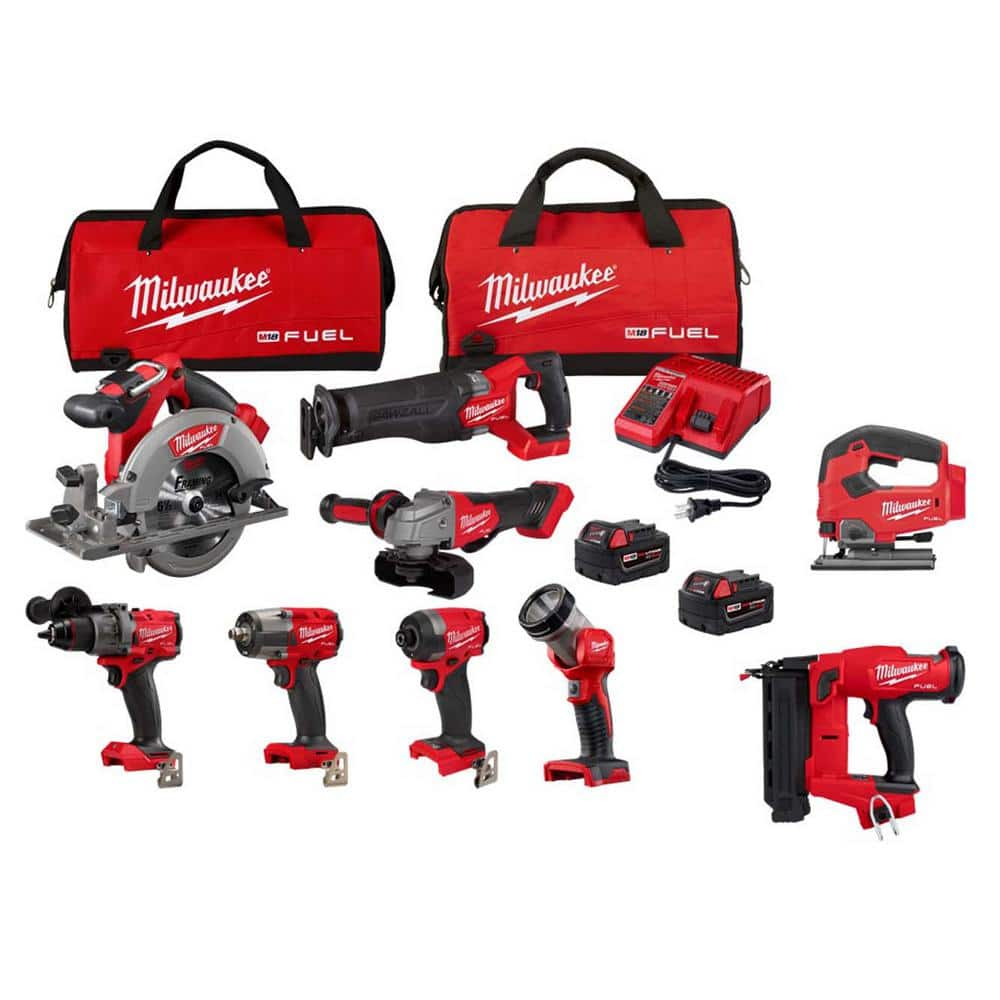
For those interested in the latest developments, Milwaukee Tool maintains an official site where they regularly update product manuals, service information, and new releases. Keeping track of these updates is the best way for professionals to ensure they are utilizing the most effective equipment for their specific trade needs.
What has been your experience transitioning to high-performance cordless tools? Are you finding that battery-powered systems are meeting your power requirements in the shop or on the job site? Share your thoughts and join the conversation below.
Related reading