
The landscape of metabolic medicine has undergone a seismic shift in recent years. With the widespread adoption of GLP-1 receptor agonists—medications such as semaglutide and the dual agonist tirzepatide—millions of individuals are achieving unprecedented weight loss results. However, as these “miracle drugs” become a mainstay in obesity management, a new and distressing side effect has emerged in patient forums and clinical discussions: significant hair thinning and shedding.
For many, the journey toward improved metabolic health is being met with an unexpected aesthetic cost. The phenomenon of weight loss injection hair loss is not merely a cosmetic concern; it is a physiological signal that the body is undergoing profound changes. While the psychological impact of losing hair during a weight loss journey can be devastating, understanding the biological mechanisms behind this shedding is the first step toward effective management.
As a physician, I have observed that patients often conflate the medication itself with the physiological process it triggers. It is crucial to distinguish whether the hair loss is a direct pharmacological effect of the drug or a secondary consequence of the rapid metabolic and nutritional shifts that follow significant weight reduction. Current medical understanding suggests the latter is the primary driver.
The GLP-1 Revolution and Its Unintended Consequences
To understand why hair loss occurs, we must first look at the classes of drugs involved. Semaglutide (marketed as Wegovy and Ozempic) acts as a glucagon-like peptide-1 (GLP-1) receptor agonist, mimicking a hormone that regulates appetite and blood sugar. Tirzepatide (marketed as Mounjaro and Zepbound) takes this a step further by acting on both GLP-1 and glucose-dependent insulinotropic polypeptide (GIP) receptors.

These medications are highly effective at inducing satiety and slowing gastric emptying, which leads to a significant reduction in caloric intake. While this is the intended mechanism for weight loss, it creates a state of rapid physiological transition. When the body experiences a sudden and substantial deficit in energy and nutrients, it enters a mode of metabolic conservation. In this state, the body prioritizes the maintenance of vital organs—the heart, brain and lungs—often at the expense of “non-essential” functions, such as hair follicle activity.
This process is not unique to these specific injections; it is a documented response to any form of rapid, significant weight loss, whether achieved through intensive dieting, bariatric surgery, or pharmacological intervention. The hair, being a non-vital tissue, is often one of the first systems to see a reduction in resource allocation.
The Science of Shedding: Telogen Effluvium Explained
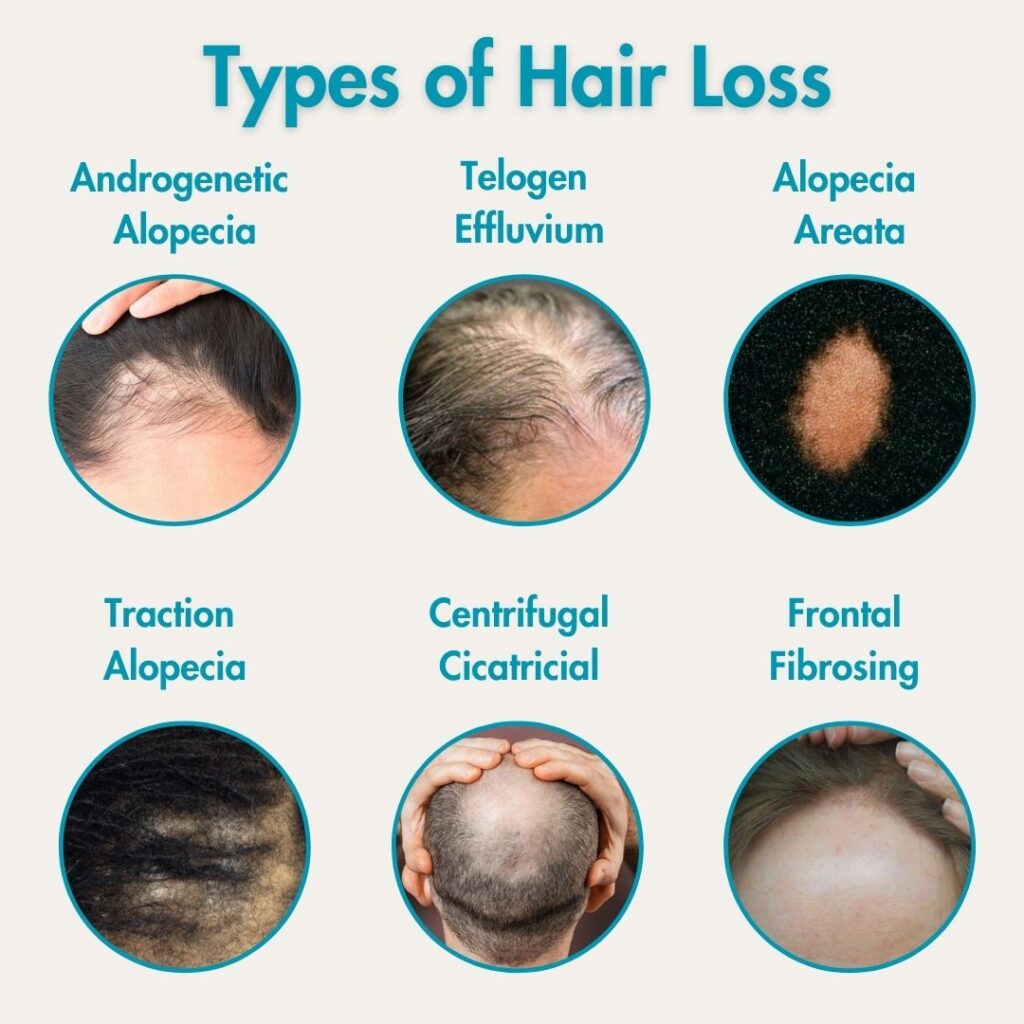
The specific type of hair loss most commonly associated with rapid weight loss is known as telogen effluvium. To understand this, one must understand the hair growth cycle, which consists of three primary phases: anagen, catagen, and telogen.
- Anagen (Growth Phase): This is the active phase where hair follicles produce new hair. Most of your hair is in this phase at any given time.
- Catagen (Transition Phase): A short phase where the hair follicle shrinks and detaches from the blood supply.
- Telogen (Resting Phase): The follicle remains dormant for a few months before the old hair eventually falls out (the exogen phase) to make room for new growth.
In a healthy individual, only a small percentage of hair enters the telogen phase at once. However, physiological stressors—including extreme caloric restriction, illness, or major metabolic shifts—can prematurely push a large number of hair follicles from the anagen phase into the telogen phase. This is what clinicians call “synchronous shedding.”
Because there is a lag between the triggering event and the actual shedding, patients often notice the hair loss several months after they have started the medication or after their most rapid period of weight loss. This delay can lead to confusion, as patients may not immediately link the thinning hair to their new medication regimen.
Nutritional Deficiencies: The Silent Culprit
Beyond the metabolic “survival mode” mentioned earlier, the rapid reduction in food intake associated with GLP-1 and GIP therapies can lead to critical micronutrient deficiencies. Hair follicles are among the most metabolically active cells in the body, requiring a steady supply of vitamins and minerals to sustain the anagen growth phase.
When caloric intake drops sharply, even if the diet is “healthy,” the sheer volume of food may be insufficient to meet the body’s micronutrient requirements. Several specific deficiencies are closely linked to hair thinning:
- Protein Malnutrition: Hair is composed primarily of a protein called keratin. Insufficient protein intake can stall the hair growth cycle.
- Iron Deficiency (Anemia): Iron is essential for the production of hemoglobin, which carries oxygen to cells, including hair follicles. Even low levels of ferritin (stored iron) can trigger shedding.
- Zinc Deficiency: Zinc plays a vital role in hair tissue growth and repair, and helps maintain the function of the oil glands around the follicles.
- Biotin and B-Vitamins: While less common in balanced diets, significant deficiencies in B-vitamins can impact hair strength and texture.
- Vitamin D: This vitamin is involved in the creation of new hair follicles.
For patients on Tirzepatide or Semaglutide, the sensation of early satiety means that meals are often smaller and less frequent. This makes it increasingly demanding to consume the diverse array of nutrients required to support both weight loss and hair health simultaneously.
Distinguishing Temporary Shedding from Permanent Loss
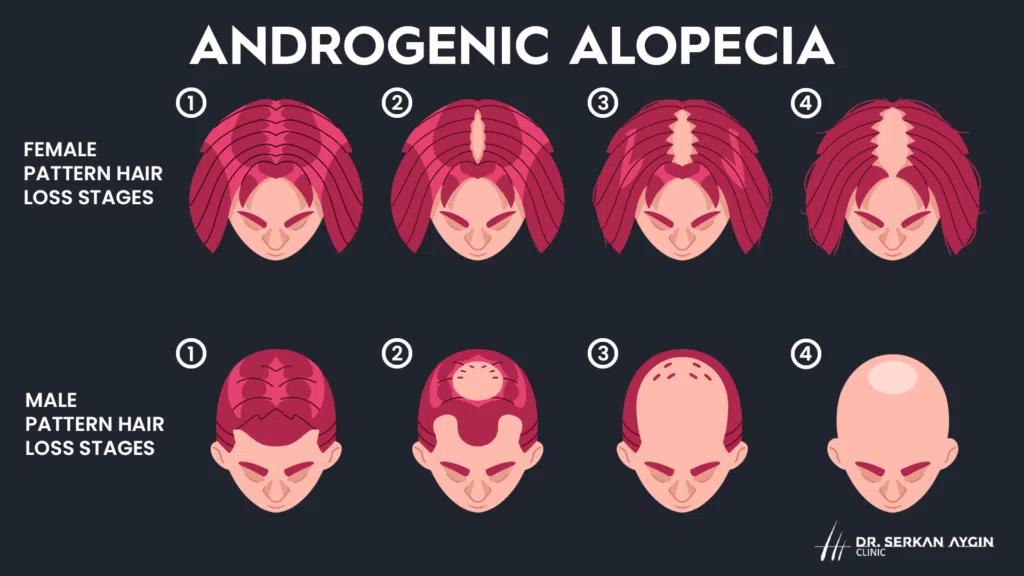
One of the greatest anxieties for patients is whether the hair loss is permanent. It is essential to distinguish between telogen effluvium and other forms of alopecia, such as androgenetic alopecia (pattern hair loss).
Androgenetic Alopecia is a hereditary condition characterized by the gradual miniaturization of hair follicles, typically due to hormonal influences. It is a progressive process. In contrast, telogen effluvium is generally a reactive, temporary condition. Once the underlying stressor—in this case, the rapid weight loss or nutritional deficiency—is resolved and the body returns to metabolic homeostasis, the hair follicles typically re-enter the anagen phase, and hair regrowth begins.
However, if the weight loss is sustained at an extreme rate or if nutritional gaps are not addressed, the shedding can become chronic. If an individual has a pre-existing predisposition to androgenetic alopecia, the stress of rapid weight loss may simply make the existing pattern more noticeable or cause it to progress more rapidly.
Strategies for Mitigation and Hair Health
If you are experiencing hair thinning while using weight loss medications, it is imperative to consult your prescribing physician. Do not attempt to self-diagnose or start high-dose supplements without medical supervision, as excessive intake of certain vitamins can also be harmful.
Based on clinical guidance, here are several strategies to discuss with your healthcare provider:
- Prioritize Protein Intake: Aim for high-quality protein at every meal to ensure the body has the building blocks necessary for keratin production.
- Monitor Micronutrient Levels: Request regular blood work to check levels of ferritin, vitamin D, zinc, and B12. Correcting a deficiency is often the most effective way to halt shedding.
- Leisurely the Rate of Loss: While rapid weight loss is often the goal, an excessively steep decline in body mass can increase the risk of telogen effluvium. Discussing a more gradual weight loss trajectory with your doctor may be beneficial.
- Focus on Nutrient Density: Since volume is limited by the medication, every bite must count. Focus on nutrient-dense foods rather than empty calories.
- Scalp Health: While topical treatments like minoxidil may assist in some forms of hair loss, they are often less effective for telogen effluvium, which is a systemic rather than a localized issue.
Key Takeaways for Patients
- It is likely temporary: Most hair loss related to weight loss is telogen effluvium, which is reversible once stability is reached.
- The drug isn’t always the direct cause: The shedding is often a reaction to the process of rapid weight loss and nutritional changes.
- Nutrition is paramount: Focus on protein and essential micronutrients to support the hair follicle.
- Consult your doctor: Always seek professional medical advice to rule out other causes and to monitor nutrient levels via blood tests.
The journey toward metabolic health is a marathon, not a sprint. While the side effects of these transformative medications can be challenging, they are often manageable with a proactive, nutrition-focused approach and close medical supervision.
Next Steps: Patients currently on GLP-1 or GIP therapies should schedule their next routine metabolic check-up to review recent weight loss velocity and request a comprehensive micronutrient panel if shedding is observed.
Have you experienced changes in your hair during your weight loss journey? We invite you to share your experiences and questions in the comments below. Please share this article with anyone navigating these new medical frontiers.
Keep reading
- How Additive Manufacturing is Transforming Patient-Specific Medtech Solutions
- New Immunotherapy Offers Potential Alternative to Bladder Removal Surgery
- Understanding Attachment Theory: Why Some Relationships Flourish and Others Fail (newsdirectory3.com)
- Understanding Chronic Digestive Inflammation: Causes and Immune System Disorders (archyde.com)