
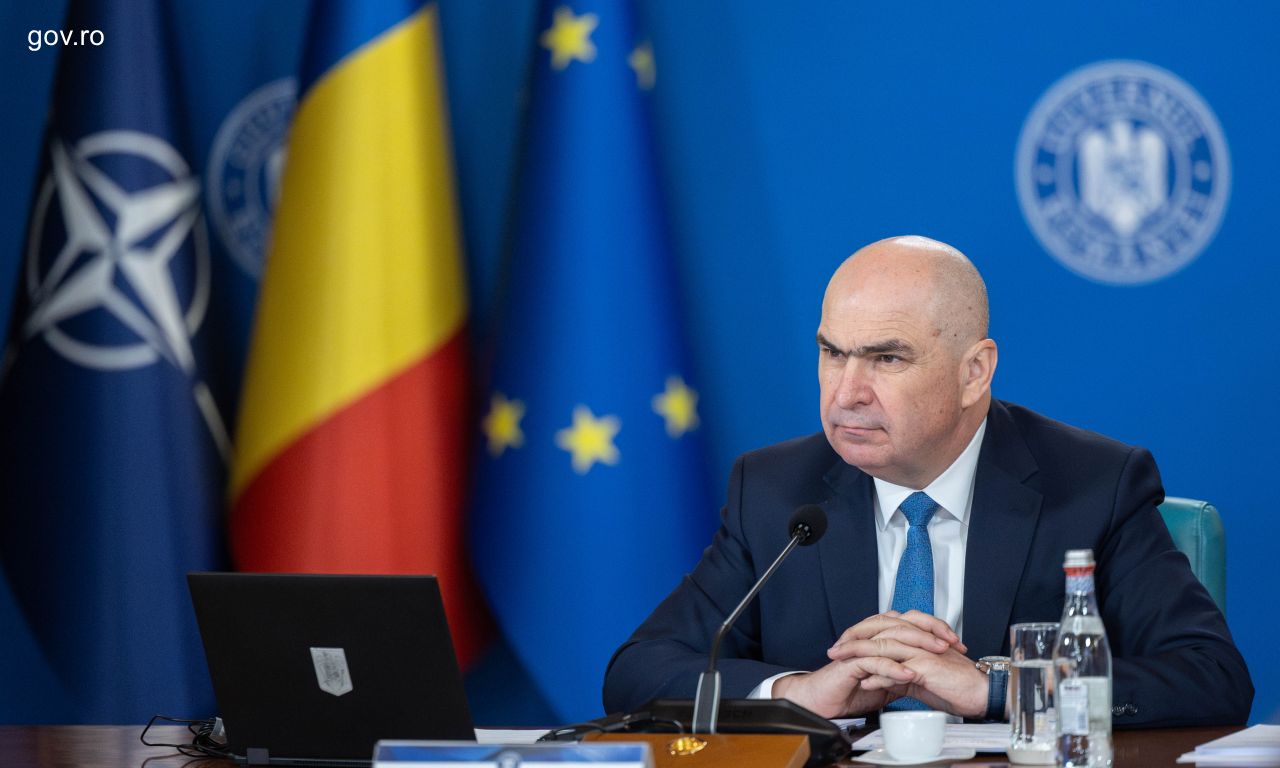
Interim Prime Minister Ilie Bolojan has addressed the growing public and media scrutiny surrounding a high-profile contract between the Romanian Intelligence Service (SRI) and the telecommunications provider Digi. The discussions center on concerns regarding procurement transparency and the potential involvement of the government in the decision-making process for these digital infrastructure initiatives.
In a recent public clarification, Bolojan emphasized that the Romanian government maintained no involvement in the negotiation or finalization of the agreement. The interim leader stated that he, like the general public, first learned of the details regarding the contract through media reports. According to official statements provided by Bolojan, the administration did not hold discussions on this specific topic, nor did it exercise oversight on the specific negotiations conducted by the intelligence agency.
Understanding the Procurement Framework
The contract in question falls under the broader scope of the SAFE program, a government-backed initiative aimed at enhancing national digital capabilities and cybersecurity infrastructure. Bolojan clarified that the governing structure of the SAFE program allows for decentralized procurement. Under this framework, each beneficiary authority, including the SRI, is responsible for conducting its own independent acquisition process.
While a working group at the government level exists to oversee the integration of these procedures, Bolojan noted that this body’s role is strictly limited to verifying that the allocated funds are used for their intended purpose and that the total amounts align with the budget. “This working group had no interference in these negotiations that were conducted directly,” Bolojan explained, underscoring that the executive branch remained at arm’s length from the specific vendor selection process.
Transparency and Institutional Responsibility
The SRI has responded to the inquiries by confirming that its selection of suppliers adhered to a unified, established procedure. The agency maintains that its decision-making process complied with all applicable national legislation regarding public acquisitions. The intelligence service highlighted that the procurement was handled in accordance with the specific regulations governing sensitive state acquisitions, which often require specialized negotiation procedures rather than standard open-market tenders.
Bolojan advocated for increased transparency in these sensitive sectors to mitigate public confusion. He stated that by presenting the facts clearly, institutions can better limit misinformation and clarify the nature of such high-value contracts. The interim Prime Minister suggested that the more transparent these authorities are regarding their procurement, the more effectively they can address public skepticism.
Key Details of the Administrative Process
- Independent Negotiation: Authorities benefiting from the SAFE program, including the SRI, were tasked with negotiating their own acquisition contracts independently.
- Government Oversight: The government-level working group provided final approval only to ensure the destination of funds and the total amount were consistent with the program’s objectives.
- No Direct Involvement: The Prime Minister explicitly denied any government-level discussions or interference in the negotiations between the intelligence agency and the private contractor.
- Compliance: The SRI has asserted that its selection process followed a unified procedure and remained fully compliant with current Romanian legislation.
As the debate continues, the focus remains on how government-funded programs balance the need for national security with the public’s demand for administrative openness. Bolojan’s recent comments serve as a signal that the government intends to maintain a clear distinction between its oversight functions and the operational procurement decisions made by individual agencies.

There are currently no further hearings or specific legislative reviews scheduled regarding this contract. Updates on the implementation of the SAFE program and related procurement transparency efforts are expected to be released through official government channels as the program progresses. We will continue to monitor these developments as more information becomes available. Please share your thoughts in the comments section below.