
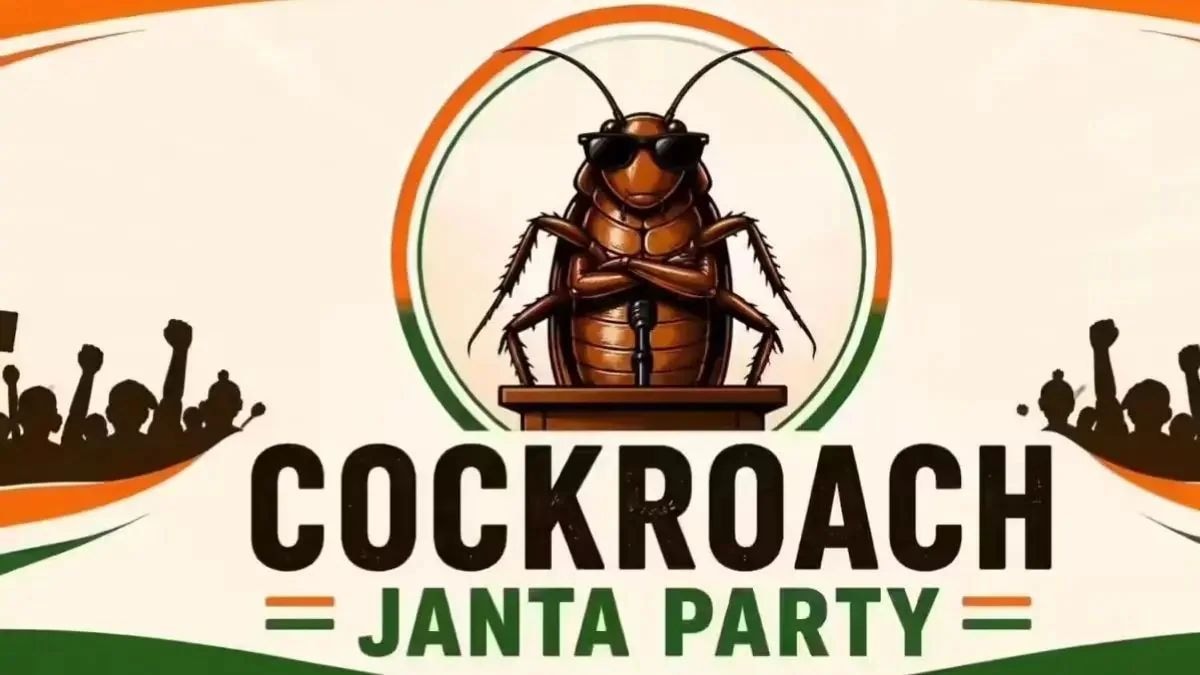
In the evolving landscape of Indian political discourse, a phenomenon known as the Cockroach Janta Party has emerged, capturing the attention of observers for its unconventional approach to civic engagement. The movement, which utilizes the imagery of the common insect to symbolize resilience and a refusal to be ignored, is positioning itself as a platform for India’s youth to voice their frustrations with current governance structures. As the movement gains visibility, it faces significant scrutiny and attempts to discredit its core objectives, leading to a complex debate about the nature of protest and political accountability in the world’s most populous democracy.
The party, which has been described as a “nascent” political effort, argues that its primary goal is to demand greater transparency and accountability from established government institutions. By adopting a name that challenges traditional political branding, the group seeks to highlight the persistence of the average citizen in the face of bureaucratic indifference. This strategy has resonated particularly well with younger demographics who feel alienated by the current political establishment. According to analyses of political sentiment in India, youth disillusionment remains a significant factor in the rise of fringe and unconventional political movements, as documented by research from institutions like the Carnegie Endowment for International Peace regarding the shifting landscape of political participation.
The Mechanics of Political Disillusionment
At the heart of the discourse surrounding the Cockroach Janta Party is the question of what drives young voters toward such unconventional movements. Political scientists often point to a disconnect between the aspirations of India’s massive youth population and the responsiveness of mainstream political parties. The frustration, often categorized by high unemployment rates and concerns over the quality of public services, provides fertile ground for movements that prioritize direct, often disruptive, methods of communication.

The challenge for any such movement is navigating the intense scrutiny of the political mainstream. Critics often attempt to dismiss such groups as mere provocateurs, yet their ability to maintain a viral presence suggests a deeper structural issue. When movements are labeled as “disruptive” or “unconventional,” it often serves to shift the focus away from the underlying grievances they represent. As explored in broader studies on Global State of Democracy reports, the health of a democracy is often measured by its ability to integrate these voices rather than dismiss them.
Accountability and the Digital Public Square
The Cockroach Janta Party has heavily utilized digital platforms to bypass traditional media gatekeepers, a hallmark of modern political movements. By framing their struggle as a fight for “accountability,” they tap into a potent, universally understood demand for better governance. However, this reliance on viral trends also invites criticism regarding the sustainability and long-term policy goals of the organization.
The movement’s spokesperson, Saurav Das, has emphasized that the group’s activities are intended to force a conversation that established parties have sought to avoid. While the specific tactics of the party are frequently debated, the underlying sentiment—that the government must be held to a higher standard of performance—is a recurring theme in contemporary Indian political discourse. For those interested in the official metrics of Indian governance and civic development, the Press Information Bureau of the Government of India provides ongoing updates regarding legislative actions and administrative reforms that address these very concerns.
Navigating the Future of Grassroots Politics
As the Cockroach Janta Party continues to navigate attempts to discredit its platform, the broader implications for India’s political opposition remain a subject of intense academic and public interest. Whether this movement can transition from a viral phenomenon to a structured, policy-oriented force remains to be seen. Historically, movements that capture the “youth vote” through symbolic protest often struggle with the transition into formal legislative politics.
The movement’s next significant test will likely come during upcoming local administrative cycles or through the filing of public interest litigation, which serves as a common mechanism for citizen-led accountability in India. Observers are keeping a close watch on how the party handles the inevitable legal and social challenges that accompany a rise in political profile. For citizens seeking to track the registration and status of political entities, the Election Commission of India remains the authoritative source for information on all recognized and registered parties.
As we continue to monitor this developing story, we invite our readers to share their perspectives on the role of unconventional protest in modern democracy. The intersection of digital activism and traditional political accountability is a defining feature of our time, and the Cockroach Janta Party represents just one facet of a much larger, global shift in how citizens express their demands for change.
Related reading