
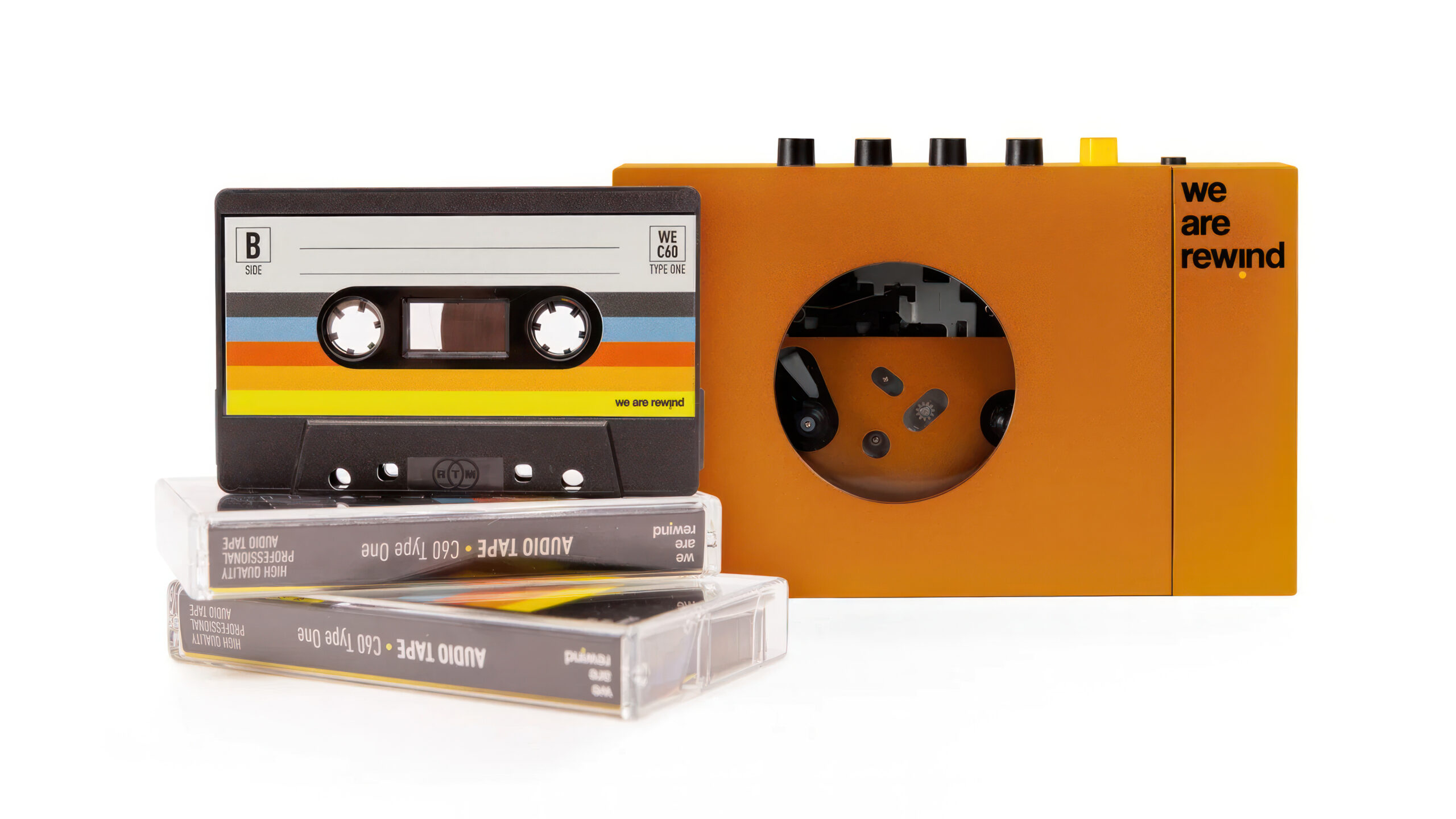
In a digital landscape dominated by high-fidelity streaming and algorithmic playlists, a peculiar trend has emerged: the return of analog media. Following the successful revival of the cassette player by the French startup We Are Rewind, the company is doubling down on its commitment to 80s aesthetics with the launch of its latest product, the Freddie. This new pair of retro-styled headphones aims to capture the tactile, nostalgic charm of the Walkman era while integrating modern audio standards for the contemporary listener.
The Freddie headphones represent a strategic evolution for the brand, which first gained international attention for its portable cassette players that bridge the gap between vintage hardware and modern connectivity. By focusing on the retro-inspired audio market, the company is tapping into a growing demographic of audiophiles and design enthusiasts who value physical interaction with their music. As someone who has spent nearly a decade reviewing consumer electronics, I find this shift toward “slow tech”—devices that encourage intentional listening—to be a fascinating reaction to the convenience-first culture of the 2020s.
Design Philosophy: Bridging Decades
The Freddie is not merely a replica of vintage gear; it is a thoughtful redesign that incorporates the signature aesthetic of the 1980s. With a lightweight, open-ear design and a focus on foam-cushioned comfort, the aesthetic is unmistakably inspired by the iconic portable audio gear that defined a generation. According to the official product specifications from We Are Rewind, the headset is crafted with premium materials that aim to provide a more durable experience than the brittle plastic of original 80s hardware.
The challenge for any hardware manufacturer today is balancing the aesthetic “vibe” with the technical expectations of 2024. Consumers today expect high-quality frequency response, reliable wireless connectivity, and long-lasting battery life. The Freddie attempts to solve this by utilizing modern drivers housed within a chassis that feels like a trip back to 1985. It is a calculated move that serves the “analog revival” movement, which has seen vinyl records and cassette sales experience a notable increase in market share over the last five years, as tracked by industry analysts at Luminate’s year-end reports.
Technical Specifications and Modern Utility
While the exterior screams nostalgia, the interior of the Freddie is designed for the modern user. The device features Bluetooth connectivity, allowing it to function as a daily driver for smartphone users, while maintaining a wired option for those who prefer a signal path free of digital compression. This dual-functionality is crucial; it ensures that the product is more than just a shelf ornament, but a functional piece of technology for the modern office or commute.
The technical integration of modern Bluetooth 5.0+ protocols means users can expect stable connections, a significant departure from the signal interference common in the analog era. The inclusion of a USB-C charging port—a standard now mandated by the European Union for most portable electronic devices—ensures that the Freddie remains compliant with modern sustainability and interoperability regulations. By adopting these standards, We Are Rewind is positioning its hardware as a long-term investment rather than a disposable trend piece.
Why the 80s Aesthetic Still Resonates
The resurgence of 80s-inspired industrial design in consumer electronics—often referred to as “synthwave aesthetics”—is not just about visual appeal. It is a psychological response to the hyper-minimalism of modern smartphones. Where contemporary devices are often featureless glass slabs, the Freddie features exposed metal hinges, tactile buttons, and a distinct lack of touch-capacitive surfaces. This design choice provides a sense of agency and “mechanical feedback” that many users find missing in modern touch-screen interfaces.
From an engineering perspective, this trend also highlights a shift in how we interact with our devices. By removing the complexity of app-based controls and focusing on physical toggles, the Freddie simplifies the user experience. It reflects a broader movement toward digital wellness, where users are actively seeking ways to reduce screen time and “friction-less” consumption in favor of more deliberate interaction with their media.
Key Features of the Freddie
- Retro-Inspired Build: Lightweight frame with high-density foam pads for extended wear.
- Dual Connectivity: Seamless switching between high-fidelity wired audio and modern wireless Bluetooth.
- Modern Sustainability: USB-C charging compatibility, adhering to global standards for electronic waste reduction.
- Acoustic Tuning: Drivers calibrated for a warm, balanced sound profile that complements the mid-range frequencies of cassette-era music.
What Happens Next?
As the market for boutique, high-quality audio hardware continues to mature, we expect to see more established manufacturers leaning into “heritage” designs. The success of the Freddie will likely hinge on its ability to maintain its price-to-performance ratio in a crowded headphone market. For those interested in tracking the official release schedule or future firmware updates, the company maintains a dedicated support and announcement portal for all its hardware lines.
Whether you are a collector looking to complete your retro setup or a casual listener seeking a unique look for your daily commute, the Freddie offers a compelling balance of old-school style and modern reliability. We will continue to monitor the performance of this device as it reaches the hands of consumers globally. Have you embraced the analog revival, or do you prefer the convenience of modern smart-audio? Share your thoughts in the comments below, and join our newsletter for more deep dives into the intersection of tech, and culture.
Related reading