
The United States labor market is navigating a period of notable transition, as recent data suggests the post-pandemic era of aggressive hiring is giving way to a more tempered economic environment. While the economy continues to add jobs, the pace of this growth has moderated, and a shift in the unemployment rate is drawing increased attention from both Wall Street and Washington.
According to the latest figures released by the Bureau of Labor Statistics, the U.S. Unemployment rate has reached 4.3%, a figure that marks a significant milestone in the current economic cycle. This uptick in unemployment, coupled with a deceleration in monthly nonfarm payroll additions, signals a cooling in the once-frenetic demand for labor that defined much of the previous two years.
For global investors and businesses, this shift represents more than just a change in statistics; it is a fundamental indicator of the tug-of-war between persistent inflation and the Federal Reserve’s restrictive monetary policy. As the labor market softens, the focus is shifting from concerns over overheating to the potential risks of an economic slowdown.
A Service-Led Recovery: The Role of Hospitality
Despite the broader cooling, certain sectors continue to act as resilient engines of employment. The leisure and hospitality industry—encompassing restaurants, bars, and hotels—remains a primary driver of recent job gains. This trend reflects a sustained consumer appetite for services, even as the broader economy faces headwinds from higher interest rates and shifting spending habits.
The concentration of job growth in these service-oriented roles highlights a structural aspect of the current U.S. Economy. While manufacturing and professional services have seen more volatility, the hospitality sector has maintained a steady demand for labor. However, this growth is often characterized by part-time or seasonal positions, which can influence the overall quality and stability of the labor market’s expansion.
Economists note that while the hospitality sector provides a vital buffer against rising unemployment, its heavy reliance on service-based consumption makes it sensitive to fluctuations in consumer confidence. If household budgets continue to tighten due to the cost of living, the very sector currently supporting employment could face significant pressure.
The Real Wage Gap: Inflation vs. Earnings
A critical component of the current economic narrative is the relationship between wage growth and the cost of living. While nominal wages—the actual dollar amount on a paycheck—have continued to rise, the “real wage” growth, which adjusts for inflation, tells a more complex story. For many American workers, the gains in earnings have struggled to outpace the rising costs of essential goods and services.
This phenomenon creates a psychological and economic squeeze. When wage gains fail to keep pace with inflation, consumer purchasing power diminishes, leading to a contraction in discretionary spending. This contraction can, in turn, create a feedback loop that further slows economic activity and job creation.
The softening of wage growth is also a key metric for the Federal Reserve. The central bank monitors wage-push inflation closely; if wages rise too rapidly, it can fuel a spiral of higher prices. Conversely, if wages stagnate while unemployment rises, the risk of a recession increases. The current data suggests a middle ground where the labor market is neither overheating nor collapsing, but is instead undergoing a necessary recalibration.
Implications for Monetary Policy
The rise in the unemployment rate to 4.3% has fundamentally altered the calculus for U.S. Monetary policy. For much of the past year, the Federal Reserve’s primary focus was on curbing inflation through high interest rates. However, as the labor market shows signs of cooling, the mandate of the Fed is expanding to include the preservation of maximum employment.
Market participants are now closely watching for signs that the Fed may pivot toward interest rate cuts. A cooling labor market provides the central bank with the “breathing room” required to lower rates without immediately reigniting inflationary pressures. However, the timing of such a pivot remains a subject of intense debate among policymakers.
If the labor market continues to soften more rapidly than anticipated, the Fed may be forced to act aggressively to prevent a hard landing. If the cooling is gradual, the central bank may opt for a more measured approach, maintaining a restrictive stance to ensure inflation returns to its long-term 2% target. The upcoming monthly employment reports will be the most critical indicators in determining which path the economy takes.
Key Labor Market Indicators
| Metric | Current Trend | Economic Impact |
|---|---|---|
| Unemployment Rate | Rising (4.3%) | Signals cooling demand for labor. |
| Job Growth Pace | Moderating | Reduces immediate inflationary pressure. |
| Service Sector Hiring | Resilient | Provides essential support to GDP. |
| Real Wage Growth | Stagnant/Low | Constrains consumer discretionary spending. |
As we move into the next quarter, the focus will remain on whether this cooling is a controlled descent or the beginning of a more significant downturn. For businesses, the priority will be managing labor costs and navigating a shifting consumer landscape. For policymakers, the challenge will be balancing the dual mandate of price stability and maximum employment in an increasingly uncertain environment.
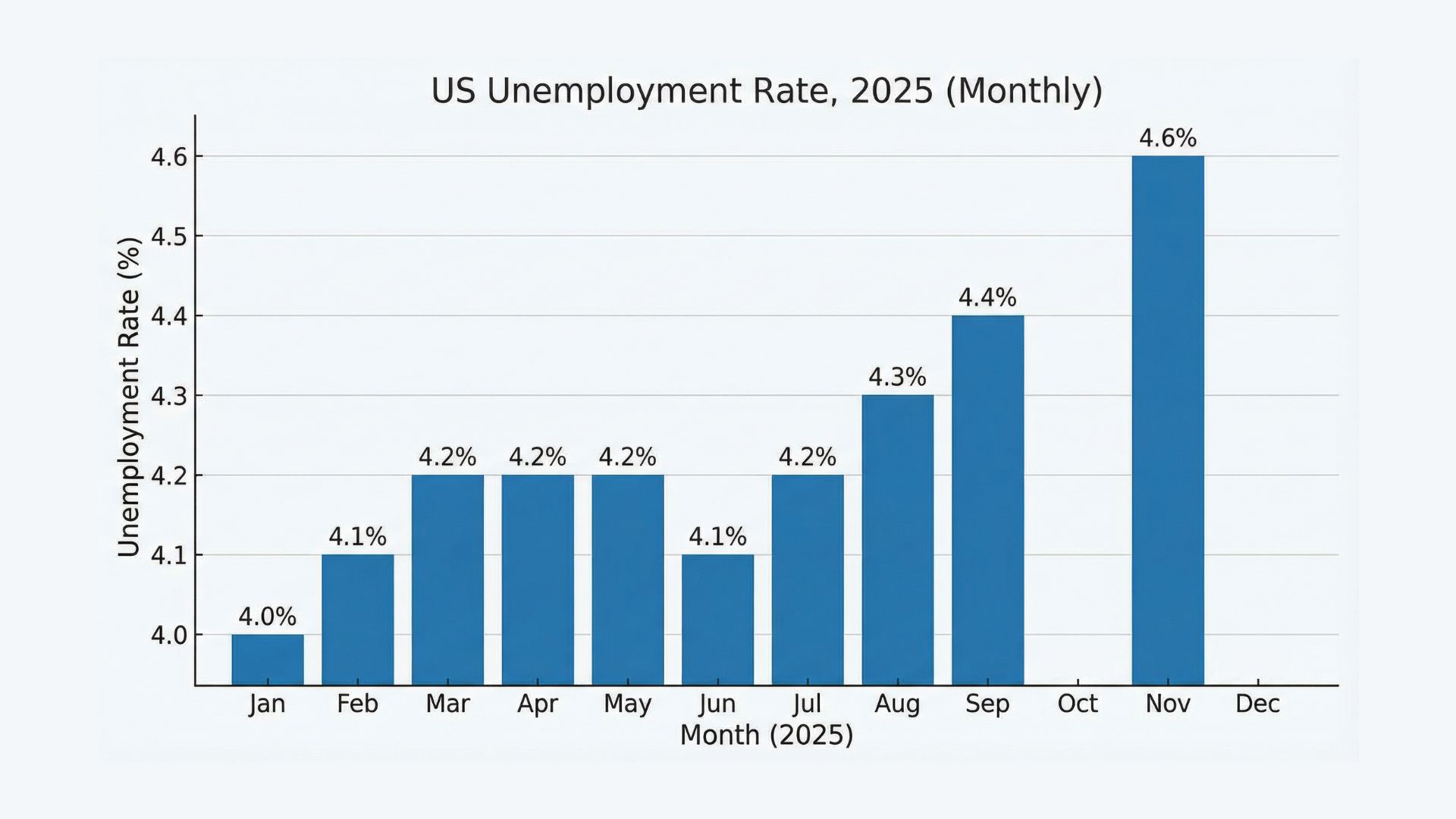
Next Scheduled Update: The next official employment report from the Bureau of Labor Statistics is expected in early July, which will provide the next critical data point for assessing the trajectory of the U.S. Labor market.
What are your thoughts on the recent shift in the U.S. Job market? Are you seeing these trends reflected in your industry? Share your insights in the comments below and join the conversation.
- Incident impliquant un pétrolier près d’Ormuz, l’Iran dit avoir stoppé quatre navires
- Black Social Media Turns to Memes and ‘Comfort’ as Nancy Grace Covers Nolan Wells Case
- Trump Threatens Iran as Houthi Tanker Attacks Push Oil Prices Above $100 (time.news)
- Canadian Households Concerned Over Rising Broadband and Streaming Costs (newsdirectory3.com)