In a world often defined by rapid geopolitical shifts and complex international relations, the personal narratives of those serving on the front lines of diplomacy offer a unique lens through which to view global development. A recently released essay collection, Finding Hope in Africa (아프리카에서 희망을 찾다), chronicles the professional and personal journey of a veteran South Korean diplomat who spent over a decade navigating the diverse landscapes of the African continent.
The work provides a reflective look at the complexities of diplomatic life, moving beyond official reports to capture the human element of international cooperation. For readers interested in the intersection of public service and cross-cultural engagement, the book offers a rare perspective on the evolving relationship between South Korea and various African nations over the past twelve years.
A Diplomatic Career Shaped by Africa
The author, a former South Korean diplomat, utilizes his extensive tenure—which included serving as a Consul General—to synthesize his observations on development, education, and social progress. By documenting his experiences, the author aims to bridge the gap between academic theory and the practical realities of diplomatic work in the field. Throughout his career, he has observed the nuances of international development cooperation, often emphasizing the necessity of local context when implementing educational or humanitarian initiatives.
The publication of this essay collection highlights a growing interest in the “middle power” diplomacy practiced by South Korea, which has increasingly sought to deepen its ties with African nations through developmental assistance and educational exchange programs. According to official data from the Korea International Cooperation Agency (KOICA), South Korea has been actively expanding its Official Development Assistance (ODA) programs across the continent, focusing on sustainable development goals and human capital improvement.
Education and Development: The Core Themes
Central to the narrative in Finding Hope in Africa is the role of education as a catalyst for societal change. The author draws upon his observations of local educational systems to discuss how international partnerships can be more effectively structured to provide long-term benefits to local communities. This focus on human capital aligns with broader international efforts to support the United Nations Sustainable Development Goals (SDGs), particularly those concerning quality education and the reduction of inequality.
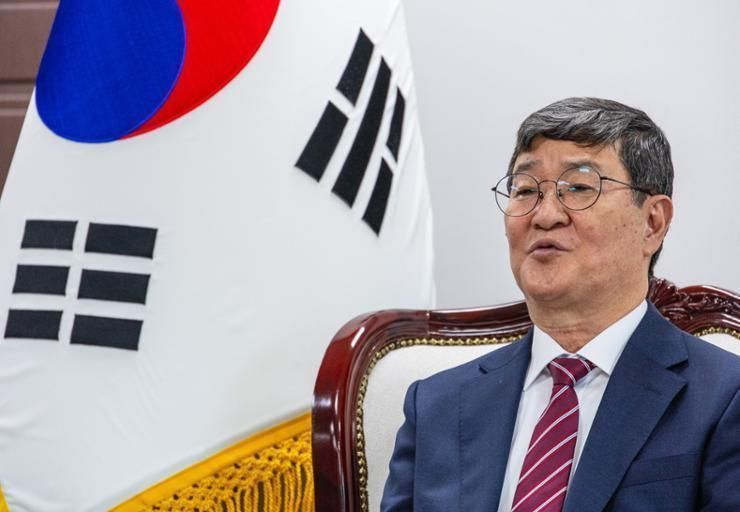
By shifting the focus from top-down policy implementation to grassroots interaction, the essays suggest that the most enduring diplomatic successes are those that empower local populations. The author’s writing style, described as contemplative and descriptive, invites readers to consider the challenges faced by emerging economies and the collaborative spirit required to overcome them.
Key Insights for Global Observers
- The Human Dimension of Diplomacy: The book emphasizes that beneath the formal frameworks of treaties and trade agreements, diplomacy is fundamentally about human connection and mutual understanding.
- Sustainable Partnerships: A recurring theme is the importance of moving toward partnerships that prioritize local ownership and sustainability over short-term aid cycles.
- The Role of Education: The author posits that investing in educational infrastructure is the most effective way to foster long-term stability and economic growth in developing regions.
Reflecting on a Decade of Change
The twelve-year period covered in the essays coincides with significant shifts in the global perception of Africa, moving away from a narrative solely focused on aid to one highlighting innovation, youth demographics, and economic potential. The author’s experiences as a Consul General allowed him to witness these transitions firsthand, providing a bridge between the traditional diplomatic establishment and the modern, interconnected reality of international relations.


For those interested in the history of South Korea’s diplomatic footprint, the text serves as a valuable primary document reflecting the evolution of the nation’s foreign policy outreach. The Ministry of Foreign Affairs of the Republic of Korea continues to emphasize the importance of these bilateral relationships, noting that cooperation in the areas of technology, agriculture, and education remains a pillar of their engagement strategy.
Looking Ahead
As the international community continues to navigate the challenges of the 21st century, the lessons shared in Finding Hope in Africa remain highly relevant. The book serves as a reminder that the work of a diplomat is never truly finished; It’s a continuous process of learning, listening, and adapting to the needs of the global community. Readers who appreciate memoirs that blend professional expertise with a deep sense of empathy will find this collection a compelling addition to the literature on international affairs.
For those looking to stay informed on the latest developments in international education and diplomatic cooperation, the official portals of the United Nations Educational, Scientific and Cultural Organization (UNESCO) provide regular updates on global progress in these sectors. We invite our readers to share their thoughts on the role of personal narratives in shaping international policy in the comments section below.
Related reading