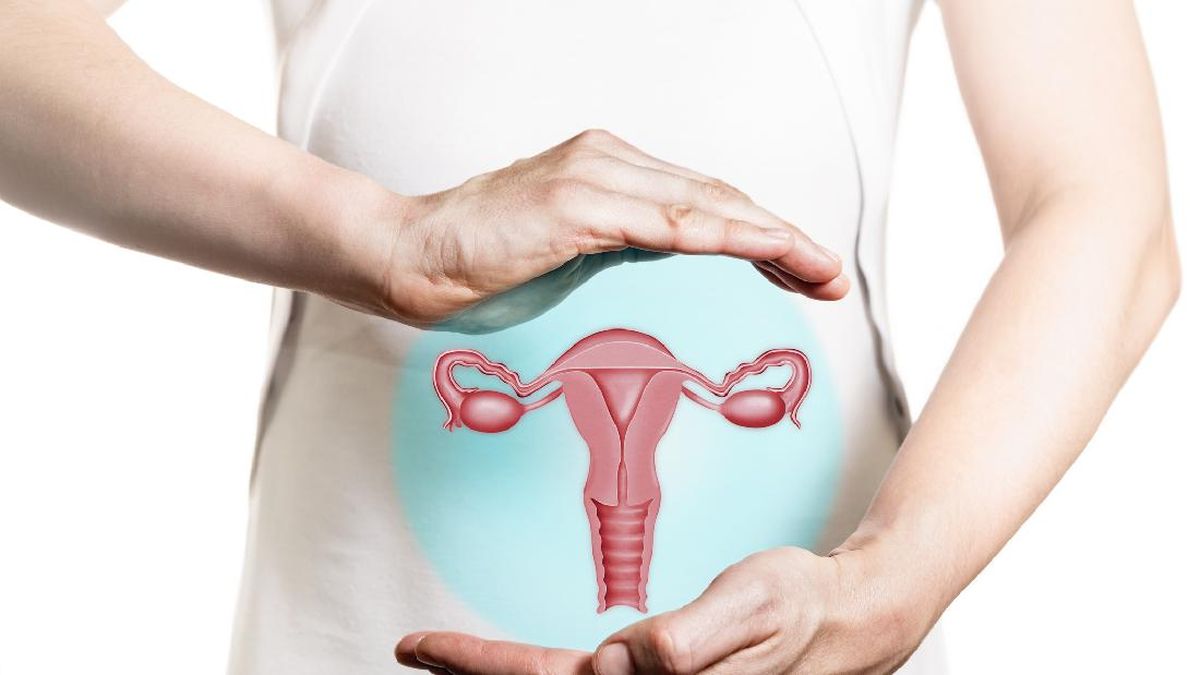
In the evolving landscape of reproductive health, terminology often shifts to better reflect the clinical reality of patient experiences. Recently, discussions regarding the nomenclature of Polycystic Ovary Syndrome (PCOS)—frequently referred to by its acronym—have sparked a global conversation about precision in medical diagnostics. As we navigate these updates, it is essential for patients and clinicians alike to understand the clinical significance, diagnostic criteria, and long-term implications associated with this endocrine condition.
For many, the transition in how we label or categorize these symptoms is not merely a semantic change but a move toward a more comprehensive understanding of metabolic and hormonal health. PCOS, a condition that affects a significant portion of the reproductive-age population, is characterized by a complex interplay of hormonal imbalances, specifically hyperandrogenism, and metabolic dysregulation. According to the National Institutes of Health (NIH), the syndrome remains one of the most common endocrine disorders in women, requiring a multi-faceted approach to management that extends well beyond gynecological care.
Understanding the Clinical Scope of PCOS
Polycystic Ovary Syndrome is fundamentally a systemic condition. While the name suggests a primary focus on the ovaries—specifically the presence of multiple small follicles often visualized on ultrasound—the clinical picture is far broader. The hallmark diagnostic criteria, widely recognized as the Rotterdam criteria, include oligo- or anovulation, clinical or biochemical signs of hyperandrogenism, and the presence of polycystic ovaries. A patient does not need to exhibit all three features to receive a diagnosis; rather, a clinical assessment of at least two of these criteria is generally required for confirmation by a healthcare provider.

The metabolic impact of the syndrome is a critical area of focus for modern medicine. Patients often present with insulin resistance, which can lead to weight gain, difficulties in losing weight, and an increased risk of developing type 2 diabetes later in life. As noted by the Centers for Disease Control and Prevention (CDC), the long-term management of PCOS involves consistent monitoring of blood glucose levels, cardiovascular health, and lipid profiles to mitigate these associated risks.
Addressing Diagnostic and Management Challenges
One of the persistent challenges in managing this condition is the heterogeneity of symptoms. No two patients experience the syndrome in exactly the same way. Some may primarily struggle with irregular menstrual cycles and fertility challenges, while others may experience significant dermatological issues, such as hirsutism or acne, driven by elevated androgen levels. This variability underscores the importance of personalized medicine. Treatment plans are rarely “one size fits all” and must be tailored to the individual’s specific reproductive goals and metabolic needs.
For those seeking clarity on their symptoms, it is vital to consult with an endocrinologist or a reproductive health specialist. Diagnostic pathways typically involve a combination of blood tests—to measure hormone levels like luteinizing hormone (LH), follicle-stimulating hormone (FSH), and testosterone—and pelvic imaging. These diagnostic standards are maintained by global health organizations to ensure that patients receive accurate information and appropriate care, as outlined by the European Society of Human Reproduction and Embryology (ESHRE) in their international evidence-based guidelines.
Five Essential Facts for Patients and Providers
To better navigate the complexities of PCOS, we have distilled the most critical information into five key areas:
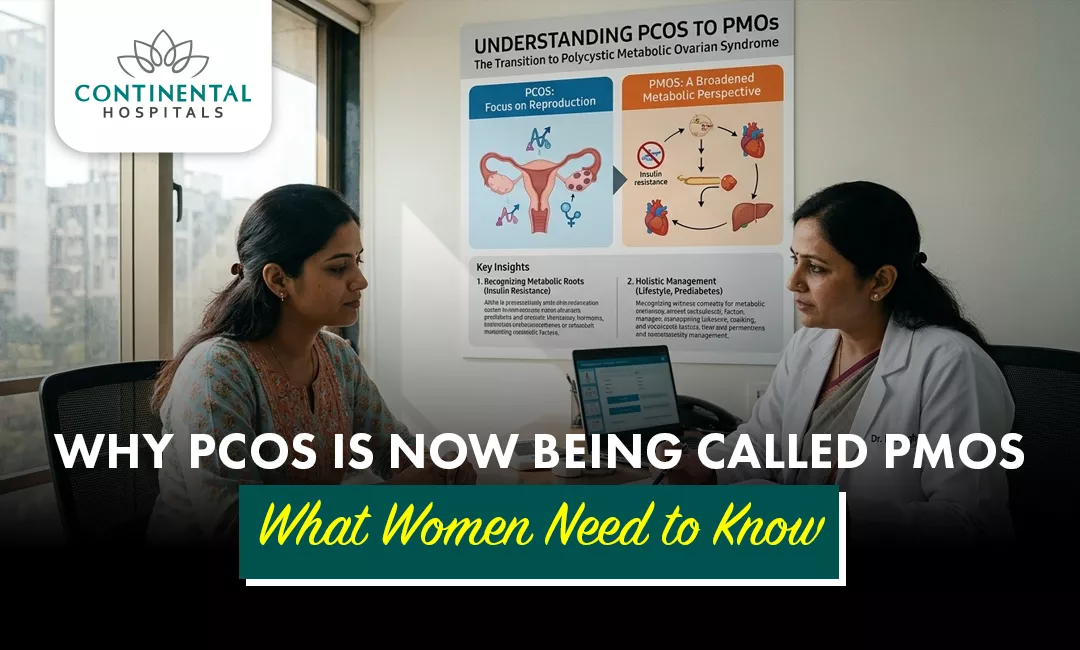
- It is a Metabolic Disorder: While the name emphasizes the ovaries, the syndrome is deeply rooted in metabolic health. Insulin resistance is a major driver of the condition, often necessitating a focus on diet and lifestyle interventions alongside medical therapy.
- Diagnostic Criteria are Specific: Diagnosis is a process of exclusion, and assessment. Healthcare providers must rule out other conditions that mimic the symptoms of PCOS, such as congenital adrenal hyperplasia or thyroid disorders.
- Early Intervention Matters: Addressing hormonal and metabolic imbalances early in life can significantly improve long-term health outcomes, particularly regarding cardiovascular health and fertility.
- Support Systems are Available: Because PCOS can have a profound impact on mental health—including an increased risk of anxiety and depression—integrating psychological support into the care plan is highly recommended.
- Management is Lifelong: There is currently no cure for the syndrome, but it is highly manageable. Through consistent medical oversight and lifestyle adjustments, most individuals can lead healthy, fulfilling lives.
As we move forward, the medical community continues to emphasize that terminology should always serve the patient’s clarity. Whether discussing the syndrome under its traditional name or exploring new frameworks, the goal remains the same: to provide accurate, evidence-based care that addresses the whole person. For those looking to stay updated on the latest research and clinical standards, the American Society for Reproductive Medicine (ASRM) provides comprehensive resources for both professionals and patients.
If you or a loved one are concerned about symptoms, please reach out to your primary care physician or a specialist to schedule a consultation. Monitoring your health is the first step toward effective management and long-term wellness. We encourage our readers to share their questions or experiences in the comments section below, as community dialogue remains an invaluable tool in raising awareness for endocrine health.
Related reading