
The Nasdaq Composite experienced a sharp downturn, retreating 4% as intense selling pressure hit the semiconductor and memory sectors. The decline marks a significant shift in market momentum, driven largely by a sudden spike in U.S. Bond yields and shifting expectations regarding the Federal Reserve’s monetary policy trajectory.
The sell-off in the technology-heavy index was spearheaded by significant losses in chip and memory groups, which have historically served as primary drivers of market growth. This retreat coincided with a broader market reassessment of risk as investors reacted to rising yields, signaling a growing anticipation of further interest rate hikes by the Federal Reserve.
The Semiconductor and Memory Retreat
The core of the Nasdaq’s 4% plunge can be traced to the heavyweights within the semiconductor and memory industries. These groups, often viewed as bellwethers for the broader technology sector, faced a coordinated exit by investors. The decline in these specific segments suggests a broader rotation or a defensive repositioning within high-growth equity portfolios.
While the specific scale of losses varies across individual manufacturers, the collective impact on the chip and memory groups was sufficient to pull the entire index downward. This sector-specific volatility often reflects concerns regarding future capital expenditures, supply chain dynamics, or, most acutely in this instance, the macroeconomic environment’s impact on growth-oriented valuations.
The Bond Yield Catalyst
A primary driver behind the equity market’s volatility is the sharp upward movement in U.S. Bond yields. Market participants are increasingly pricing in the possibility of the Federal Reserve raising interest rates to combat persistent economic pressures. As expectations for a more hawkish central bank policy intensify, the cost of borrowing is expected to rise, causing a repricing of fixed-income assets.
The relationship between rising bond yields and equity markets is a critical mechanism for understanding today’s volatility. When yields rise, they provide a more attractive “risk-free” alternative to equities, often drawing capital away from more volatile sectors like technology. This shift in capital allocation can lead to the rapid sell-offs seen in the Nasdaq, particularly in sectors that rely heavily on future earnings growth.
Economic Implications: The Growth-Yield Nexus
To understand why a 4% drop in the Nasdaq is so closely tied to bond yields, one must look at the fundamental valuation models used by institutional investors. Most technology companies, especially those in the semiconductor and memory space, are categorized as “growth stocks.” Their current valuations are heavily predicated on the expectation of significant cash flows in the future.
In financial analysis, these future cash flows are “discounted” back to their present value using a discount rate, which is closely linked to prevailing interest rates and bond yields. When bond yields rise, the discount rate increases, which mathematically reduces the present value of those future earnings. Even if a company’s fundamental business remains strong, its stock price may fall simply because the mathematical value of its future profits is lower in a high-interest-rate environment.
higher interest rates increase the cost of debt. For capital-intensive industries like semiconductor manufacturing, where maintaining cutting-edge fabrication facilities requires massive, ongoing investment, the increased cost of financing can weigh heavily on profit margins and long-term expansion plans.
Key Takeaways
- Nasdaq Performance: The index fell by 4%, driven by heavy losses in the technology sector.
- Sector Impact: Chip and memory groups were the primary contributors to the market decline.
- Macro Driver: Rising U.S. Bond yields, fueled by Federal Reserve rate hike expectations, acted as a catalyst for the sell-off.
- Valuation Pressure: Higher yields increase discount rates, disproportionately affecting the valuations of high-growth tech stocks.
As the market digests this latest move, the focus shifts toward upcoming economic indicators and official communications from the Federal Reserve. Investors will be looking for clarity on whether the central bank’s stance will remain hawkish or if the surge in yields is a precursor to a more significant shift in monetary policy.
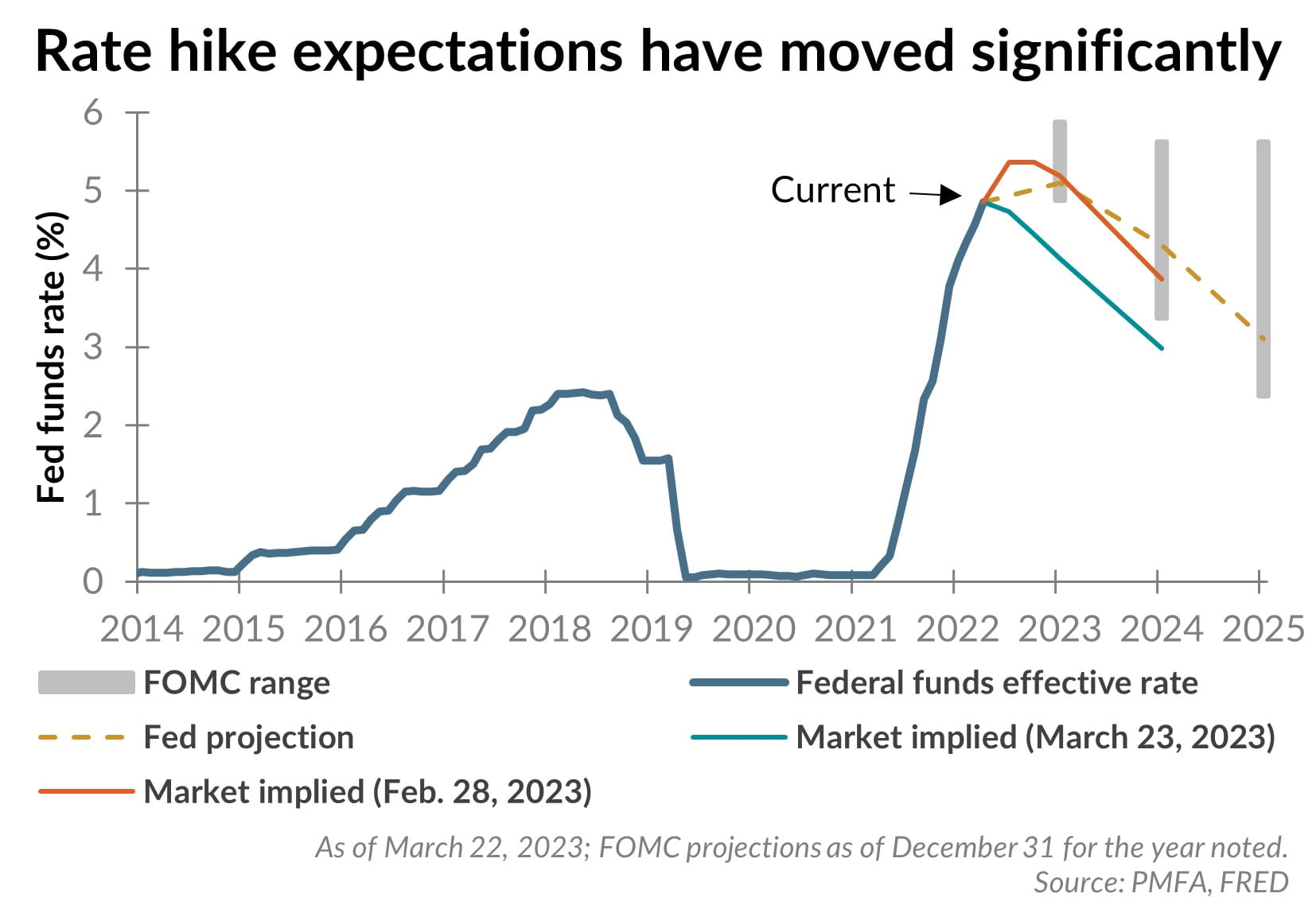
Next Checkpoint: Market participants will be closely monitoring the next scheduled release of inflation data and upcoming Federal Open Market Committee (FOMC) commentary for signals regarding the future path of interest rates.
What are your thoughts on the current volatility in the tech sector? Do you believe the semiconductor sell-off is a temporary correction or a long-term trend? Share your analysis in the comments below.
- Suzuki Karimun 2026: The Fuel-Efficient City Car Perfect for Touring and Modern Connectivity
- Shinsegae Centum City Hosts Summer Pop-ups and 18th Youth Scholarship Program
- Global Markets Slump as Oil Prices Surge and AI Chip Stocks Sell Off (time.news)
- Japan Cuts GDP Growth Forecast as South Korea, Taiwan Surge on AI Semiconductor Boom (archynewsy.com)