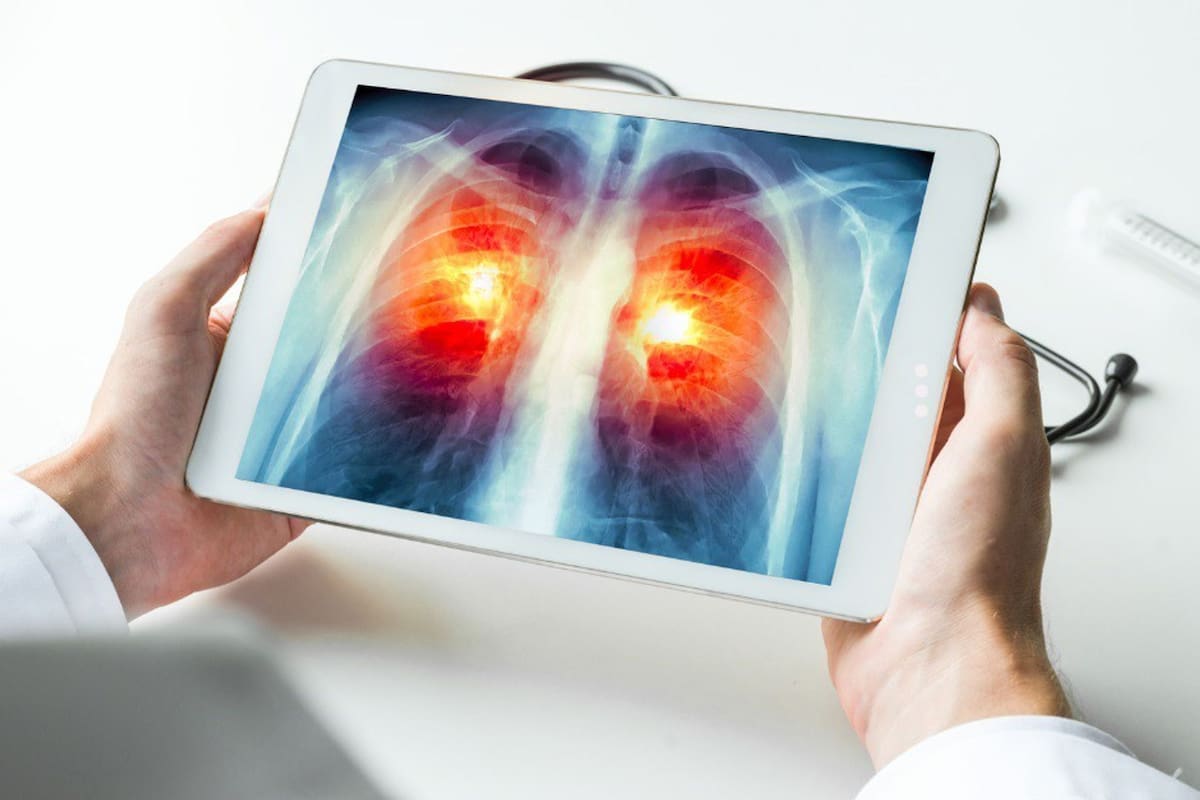
As we navigate the evolving landscape of oncology, the pursuit of early detection and preventative strategies remains the cornerstone of improving patient outcomes. Recent scientific efforts have increasingly focused on identifying the biological precursors to lung cancer, a disease that continues to be a leading cause of cancer-related mortality globally. By leveraging advancements in genetic research and molecular diagnostics, the medical community is moving toward a more proactive approach in the fight against this complex malignancy.
The quest to predict and prevent lung cancer involves a multifaceted strategy, ranging from the identification of specific oncogenes to the refinement of non-invasive screening technologies. For many, the ability to intercept the disease before it manifests clinically represents the next great frontier in thoracic oncology. Understanding these developments requires a clear look at how current research is reshaping our approach to patient care and long-term health monitoring.
Understanding the Genetic Drivers of Lung Cancer
Modern research has made significant strides in identifying the genetic alterations that serve as the engine for lung cancer growth. Among the most notable findings is the role of the KRAS oncogene in driving the development of non-small cell lung cancer (NSCLC), which accounts for the vast majority of lung cancer diagnoses. By mapping these molecular drivers, researchers are not only gaining insights into how tumors form but are also identifying potential targets for therapeutic intervention. According to the National Cancer Institute, ongoing studies are working to translate these genetic discoveries into clinical applications that could eventually lead to more personalized treatment pathways.
This focus on the molecular architecture of the disease is crucial because lung cancer is not a singular entity; We see a collection of diverse biological profiles. When scientists can pinpoint the specific mutations fueling a patient’s cancer, they can better predict how the disease might progress. This level of precision is essential for developing strategies that could identify those at the highest risk long before symptoms appear.
Innovations in Early Detection
The primary challenge in lung cancer management is that many cases are detected only after the disease has reached an advanced stage. To shift this paradigm, the medical community has invested heavily in early detection research. One of the most established methods remains low-dose computed tomography (CT) scanning. The National Lung Screening Trial (NLST) demonstrated that this imaging technology is effective in reducing mortality among individuals with a history of heavy smoking. Currently, screening guidelines generally recommend annual low-dose CT scans for adults aged 50 to 80 years who have a 20 pack-year smoking history.
Beyond imaging, there is a growing interest in liquid biopsies and biomarker analysis. Scientists are actively investigating whether analyzing blood samples for tumor cells or specific molecular markers can provide a reliable early warning system. Similarly, research into sputum analysis—examining respiratory secretions for abnormal cells—aims to identify individuals who require more intensive follow-up. These non-invasive techniques represent a promising shift toward a more accessible and routine approach to lung health, potentially allowing for intervention at a stage where curative treatment is more likely to be successful.
The Path Forward: Prevention and Public Health
While detection is a critical component, true prevention remains the ultimate goal. For the public, this means adhering to established screening recommendations and understanding individual risk factors. While smoking cessation remains the most significant step an individual can take to reduce their risk, the field of medical innovation is working to support those who have already been exposed to carcinogens. The integration of genetic testing and regular surveillance is becoming more common in clinical practice, particularly for patients with a significant history of tobacco use or those with a family history of the disease.
As we look to the future, the collaboration between basic science researchers and clinical practitioners will be vital. The goal is to move beyond reacting to a diagnosis and toward a framework where lung cancer is managed as a preventable or highly treatable chronic condition. For patients, staying informed about the latest clinical trial opportunities and discussing screening eligibility with a primary care physician are the most effective ways to engage with these advancements.
Key Takeaways for Patients and Families
- Understand Your Risk: Screening is generally recommended for individuals aged 50–80 with a 20 pack-year smoking history. Consult your physician to determine if you meet these criteria.
- Prioritize Screening: Early detection through low-dose CT scans is a proven method for reducing lung cancer mortality in high-risk populations.
- Stay Informed: Research into blood and sputum markers is ongoing. These technologies are intended to complement, not replace, existing screening protocols.
- Focus on Prevention: Smoking cessation remains the most effective way to reduce the risk of developing lung cancer.
The landscape of lung cancer research is shifting from a reactive model to one defined by early detection and molecular understanding. While these advancements offer hope, they also underscore the importance of consistent medical follow-up and public health awareness. As further clinical data emerges from ongoing studies, we can expect even more refined tools to become available for both patients, and clinicians. For now, the most vital action remains the proactive use of existing screening resources and a commitment to long-term lung health.

As a physician, I encourage our readers to continue monitoring official updates from leading health organizations such as the National Cancer Institute. I invite you to share your thoughts or questions in the comments section below as we continue to track these significant developments in medical science.
Worth a look