
In a volatile turn for global financial markets, the S&P 500 index recently experienced its most significant single-day percentage decline in nine months. This sharp retreat, which rippled across Wall Street, followed the release of robust labor market data that fundamentally altered investor expectations regarding the trajectory of United States monetary policy.
As markets digest this shifting landscape, the primary concern among institutional and retail investors alike is the potential for a more hawkish stance from the Federal Reserve. The “soft landing” narrative—which relies on the premise of cooling inflation without a significant spike in unemployment—is being tested by data suggesting that the American economy remains remarkably resilient, perhaps too resilient for those hoping for imminent interest rate cuts.
Understanding the Market Reaction to Labor Data
The recent market sell-off was triggered by the release of the U.S. Bureau of Labor Statistics (BLS) employment report, which showed a stronger-than-anticipated addition of non-farm payrolls. While a healthy labor market is traditionally a sign of economic prosperity, in the current climate, it has become a double-edged sword for equity valuations.

According to the official Bureau of Labor Statistics employment situation summary, the labor market has maintained a level of strength that complicates the Federal Reserve’s mandate to balance price stability with maximum employment. For investors, the concern is that persistent wage growth and high employment levels will force the Federal Reserve to maintain elevated interest rates for a longer duration than previously forecasted. This “higher for longer” environment typically puts downward pressure on stock prices, particularly in growth-oriented sectors like technology, which are highly sensitive to the cost of capital.
The Fed’s Monetary Policy Dilemma
The Federal Open Market Committee (FOMC) faces an increasingly complex environment as it attempts to steer the economy. The central bank’s decision-making process is dictated by incoming data, and the latest figures have removed some of the urgency for the Federal Reserve to pivot toward a more accommodative or “dovish” monetary policy. You can track the latest official statements and meeting minutes through the Federal Reserve’s official calendar.
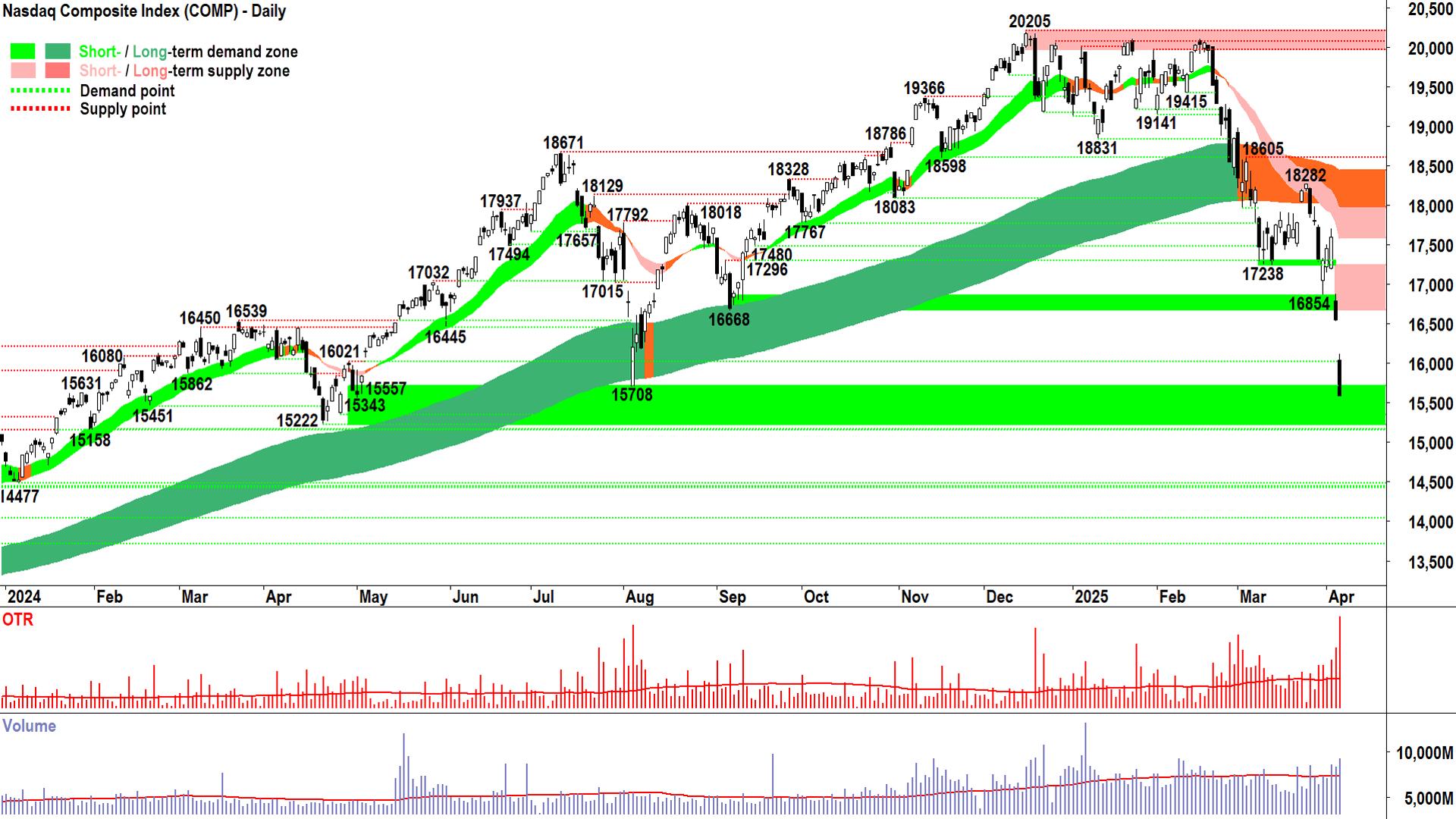
The market’s reaction reflects a broader reassessment of the “flexibility” that the Fed had previously signaled. When economic indicators consistently outperform projections, the central bank’s ability to justify cutting rates diminishes. This adjustment in market sentiment has led to a re-pricing of risk, manifesting in the significant daily losses observed across major indices, including the Nasdaq and the S&P 500.
Market Volatility and the Tech Sector
Much of the recent volatility has been concentrated in the technology sector, particularly among firms heavily invested in artificial intelligence (AI). These companies have seen significant valuation expansion over the past year, making them vulnerable to any sudden shifts in macroeconomic outlook. When the discount rate—the rate used to value future cash flows—rises, the present value of future earnings for growth stocks declines, leading to the sharp pullbacks observed during this latest market correction.
Investors are currently looking for signals regarding the next FOMC meeting. The CME FedWatch Tool provides a real-time look at market expectations based on federal funds futures, serving as a key resource for understanding how the collective market sentiment is shifting regarding future rate adjustments.
Key Takeaways for Investors
- Data-Driven Volatility: Market fluctuations are currently tethered to economic indicators, specifically employment and inflation data, which influence the Federal Reserve’s policy decisions.
- Interest Rate Sensitivity: Persistent strength in the labor market may sustain higher interest rates, which historically challenges equity valuations, particularly in growth and tech sectors.
- Re-evaluating Risk: Investors are advised to monitor official releases from the Bureau of Labor Statistics and the Federal Reserve to gauge the evolving economic environment.
The next major checkpoint for global markets will be the subsequent Federal Reserve policy announcement. Until then, investors should remain prepared for continued sensitivity to economic reports and central bank commentary. We invite our readers to share their analysis on how these interest rate pressures are impacting their specific portfolios in the comments section below.
Related reading