
The morning ritual of brewing coffee has been transformed by a simple, yet revolutionary invention that began in a German kitchen over a century ago. Melitta Bentz, a housewife from Dresden, forever altered the global coffee landscape in 1908 when she sought a cleaner, less bitter way to prepare her morning beverage. By repurposing a brass pot and a piece of blotting paper from her son’s school notebook, she successfully engineered the world’s first coffee filter, a development that would eventually evolve into an international household name.
As a physician, I often observe how small innovations in daily routines can have profound impacts on our well-being and lifestyle. The invention of the pour-over method was not merely a culinary preference; it represented a shift toward precision and clarity in extraction, moving away from the sediment-heavy methods that dominated the era. Today, the legacy of this innovation is preserved not just in our kitchens, but in cultural institutions that recognize the intersection of domestic science and industrial history.
From a Dresden Kitchen to Global Recognition
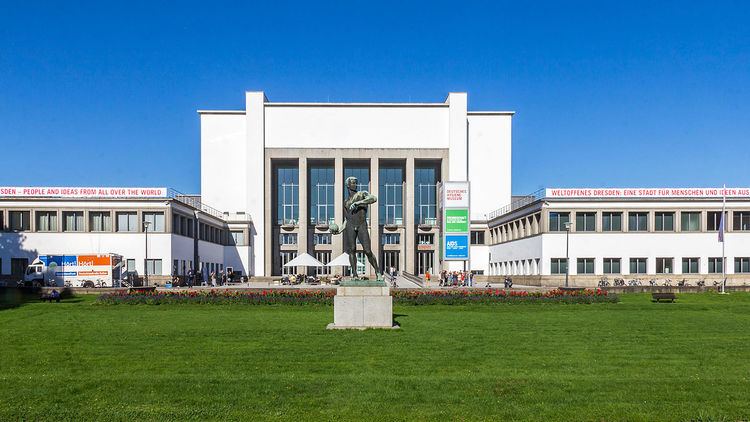
The story of Melitta Bentz is a testament to the power of practical problem-solving. Dissatisfied with the bitterness caused by over-brewing and the lingering grounds found in traditional methods, Bentz experimented with various materials before settling on the absorbent paper that would become the industry standard. Her invention was officially patented on July 8, 1908, a milestone that marked the formal birth of the Melitta company, which she founded alongside her husband, Hugo. According to records from the Deutsches Hygiene-Museum Dresden, the institution maintains a replica of this historic “Ur-filter” in its permanent exhibition, specifically within the “Eating and Drinking” gallery, serving as a reminder of how domestic innovation can shape societal habits.

The company’s growth trajectory in the early 20th century was rapid, moving from a small family operation to a significant entity in the coffee industry. By focusing on the quality of the filter paper and the mechanics of the pour-over process, the brand established a reputation for excellence that persists today. The transition from a manual process to the sophisticated electric brewing systems we see in the modern market reflects a century of commitment to refining the science of extraction.
The Science and Evolution of Coffee Extraction
In modern medical and nutritional contexts, we often discuss the importance of coffee’s chemical profile. The use of high-quality paper filters is more than a matter of taste; it plays a role in the filtration of certain coffee oils—specifically cafestol and kahweol—which can influence cholesterol levels in some individuals when consumed in large, unfiltered quantities. The Harvard T.H. Chan School of Public Health notes that paper-filtered coffee is generally considered the most effective way to remove these diterpenes, highlighting the health-conscious utility of Bentz’s original invention.
The evolution of the brand has seen a shift toward sustainability and technological integration, including the development of fully automatic bean-to-cup machines. Yet, the company maintains a focus on its roots, continuing to produce the manual pour-over cones that started it all. This duality—honoring the artisanal, slow-drip process while embracing modern automation—is a hallmark of the company’s ongoing strategy in the global market.
Current Perspectives on Coffee Culture
Today, the “pursuit for better coffee” remains the central ethos of the organization. As a family-owned entity, the company emphasizes a holistic approach to its business, involving community projects in coffee-growing regions that focus on health, education, and social development. This commitment to social responsibility is a modern evolution of the founder’s original spirit of care and precision.

For those interested in the history of this innovation, the permanent exhibition at the Deutsches Hygiene-Museum offers a detailed look at how the design of everyday objects influences our health and social interaction. It remains one of the most accessible ways to connect with the origins of modern coffee culture in Germany.
Key Takeaways for Coffee Enthusiasts
- Innovation: Melitta Bentz’s 1908 invention of the paper filter effectively separated grounds from the liquid, drastically reducing bitterness.
- Health Impact: Paper filtration is recognized for its ability to filter out specific diterpenes that may impact lipid profiles in some coffee drinkers.
- Legacy: The original filter design is preserved as a significant artifact of technological and social history in Dresden.
- Modern Adaptation: The brand continues to bridge the gap between traditional manual brewing and modern, fully automated coffee technology.
As we continue to explore the intersection of medical science and our daily dietary habits, This proves useful to reflect on how simple inventions like the coffee filter have stood the test of time. Whether you prefer a quick cup from an automated machine or the deliberate, meditative process of a manual pour-over, the principles established in that Dresden kitchen remain relevant today. I encourage our readers to share their thoughts on how their own morning routines have evolved and whether they prefer the convenience of modern brewing or the tradition of the original pour-over method.
Related reading