
As the summer season begins to intensify in New York City, public health officials are taking proactive steps to mitigate the risks associated with vector-borne diseases. With the city’s recent transition into warmer weather and the official opening of beaches on June 1, 2026, the Department of Environmental Protection and health authorities are focusing on environmental management to curb mosquito activity and the transmission of the West Nile virus. This seasonal effort is a critical component of the city’s broader public health infrastructure, aimed at protecting the millions of residents who call the five boroughs home.
For New Yorkers, these efforts are part of a routine but essential maintenance of the urban environment. As indicated by the official New York City government portal, residents are encouraged to stay informed about citywide services, including environmental health updates and ongoing public safety initiatives. While the city continues to manage daily operations such as trash collection and infrastructure maintenance, the targeted focus on mosquito control highlights the importance of proactive, science-backed interventions in high-density urban areas.
Understanding the Vector Control Strategy
The primary objective of the city’s mosquito control program is to minimize the prevalence of the West Nile virus, a disease that has historically posed a public health challenge during the warmer months. Mosquitoes thrive in standing water and humid conditions, common features of the metropolitan landscape during the summer. By monitoring mosquito populations and utilizing targeted pesticide applications, the city aims to lower the risk of human infection.
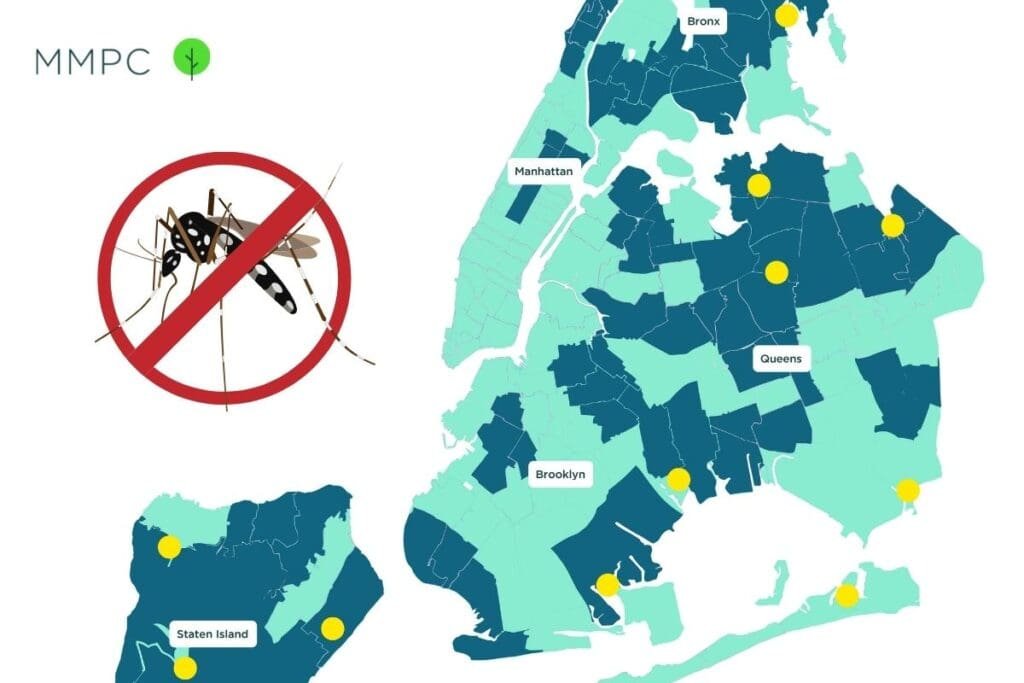
While the city utilizes a variety of methods—including larval control in catch basins and public education regarding the elimination of standing water on private property—aerial applications remain a specialized tool for non-residential areas where mosquito populations may be dense. These operations are conducted with precision to ensure that the environment is treated effectively while minimizing exposure to the public. Residents seeking the most current information regarding public health advisories or service alerts can utilize the NYC 311 service to report concerns or check the status of local municipal programs.
Public Health and Urban Preparedness
Public health in a city of over 8.5 million people requires constant vigilance. Beyond mosquito control, the city government is currently managing a diverse array of public interests. As of early June 2026, Mayor Zohran Mamdani has been active in coordinating large-scale city initiatives, including preparations for the 2026 FIFA World Cup and the expansion of public field lighting to provide additional recreational hours for residents. These initiatives, alongside health-focused campaigns like the “Drop the Vape” program, demonstrate a multifaceted approach to urban governance.
The city’s ability to pivot between major economic events and essential public health maintenance is a hallmark of its administrative capacity. For instance, while the city celebrates the economic impact of local sports successes, such as the New York Knicks’ recent postseason, it simultaneously maintains focus on critical infrastructure and health safety. Residents are encouraged to monitor the official NYC website for real-time updates on all municipal services, ensuring they remain prepared for both seasonal health alerts and daily city operations.
Safety Guidance for New York Residents
In addition to municipal mosquito control, residents play a vital role in local public health. Reducing mosquito breeding sites around one’s home—such as emptying containers that collect rainwater or ensuring window screens are in good repair—remains the most effective individual contribution to citywide efforts. The city’s ongoing public service announcements provide clear guidance on various safety issues, from fire prevention, such as the directive to “close the door” to isolate smoke and flames, to general health and sanitation.
As we move further into the summer, maintaining an awareness of these municipal resources is essential. Whether it is checking the NYC Beach Water Quality Map before a trip to the shore or signing up for NotifyNYC alerts, staying connected to official channels ensures that New Yorkers have the information they need to navigate the season safely.
We invite our readers to share their thoughts on these public health initiatives in the comments section below. How do you stay informed about health alerts in your local area? Join the conversation as we continue to track these important updates throughout the summer months.
Keep reading