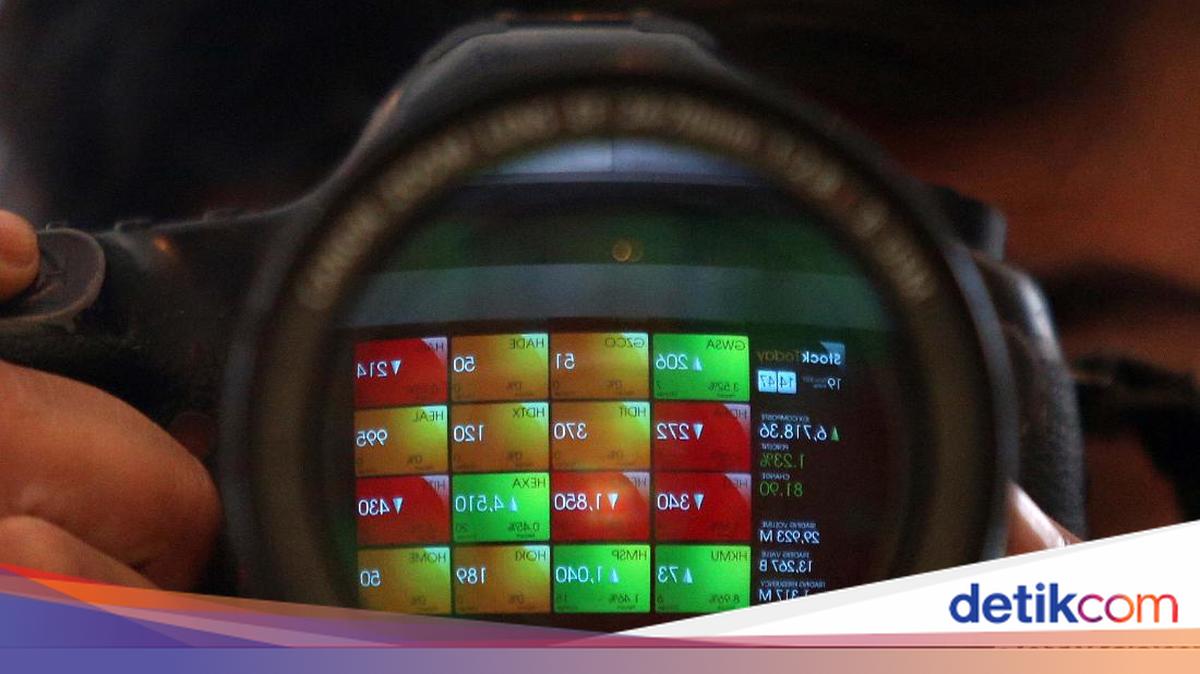
The landscape of Indonesia’s telecommunications infrastructure sector is undergoing a significant structural shift as PT Inti Bangun Sentosa Tbk (IBST) moves toward a private status. In a strategic decision aimed at streamlining corporate governance and consolidating control, the company has announced its intention to delist from the Indonesia Stock Exchange (IDX), initiating a voluntary tender offer to acquire the remaining shares held by minority investors.
At the center of this transition is a tender offer price set at Rp 5,400 per share. For investors currently holding IBST stock, this move represents a critical juncture, offering a liquidity event as the company prepares to exit the public markets. The move is widely viewed as a consolidation effort by the controlling shareholders, which are closely linked to the prominent Djarum Group, one of Indonesia’s most influential conglomerate families.
This transition from a publicly traded entity to a private one—often referred to as “going private”—is a maneuver frequently employed by large conglomerates to enhance operational agility and reduce the regulatory and administrative costs associated with maintaining a listing on a national exchange. For IBST, which operates in the high-stakes, capital-intensive world of telecommunications infrastructure, the ability to make long-term strategic decisions without the immediate pressure of quarterly public reporting can be a significant competitive advantage.
The Rp 5,400 Tender Offer: Mechanics and Implications
The voluntary tender offer is the primary mechanism through which the controlling shareholders intend to buy out minority stakeholders. By setting the price at Rp 5,400 per share, the company provides an exit ramp for retail and institutional investors who may not wish to remain part of a private entity. In the context of the Indonesian market, such tender offers are strictly regulated by the Financial Services Authority (OJK) to ensure that minority shareholders are treated equitably during the delisting process.
Investors participating in a tender offer must navigate specific windows of opportunity. The process typically involves a formal announcement, a period for shareholders to tender their shares, and a subsequent settlement period. It is essential for shareholders to review the official disclosure documents provided by the company and the IDX, as these filings contain the precise timelines, procedural requirements, and banking instructions necessary to execute the sale.
While a tender offer provides immediate liquidity, investors must weigh the Rp 5,400 price against the company’s intrinsic valuation and long-term growth prospects in the telecom sector. The decision to sell involves balancing the certainty of the current offer against the potential, albeit more volatile, future returns of a public stock.
Strategic Rationale: Why IBST is Moving to Go Private
The decision to delist is rarely made in isolation. For a company like Inti Bangun Sentosa, which manages a vast network of telecommunications assets, several strategic drivers likely underpin this move. First, the cost of compliance—including regular financial auditing, public disclosures, and maintaining investor relations—can be substantial for companies that are no longer viewed as having a significant public float.
Second, going private allows the controlling shareholders, including the Djarum Group interests, to execute long-term capital expenditure programs with greater flexibility. The telecommunications industry is currently in a phase of intensive infrastructure build-out, particularly regarding fiber optic expansion and the densification of tower networks to support 5G technologies. A private structure allows for more aggressive reinvestment of cash flows without the scrutiny of public market volatility.
consolidating ownership can simplify the corporate hierarchy. For conglomerates like Djarum, which have interests spanning various sectors from consumer goods to financial services and telecommunications, reducing the number of listed subsidiaries can lead to more efficient capital allocation and a more streamlined management approach across the group’s ecosystem.
IBST’s Role in Indonesia’s Digital Infrastructure
To understand the weight of this delisting, one must look at the underlying assets of PT Inti Bangun Sentosa Tbk. The company is a key player in the backbone of Indonesia’s digital economy. Its operations are centered on providing critical infrastructure that enables mobile operators and internet service providers to deliver connectivity across the archipelago.
IBST’s portfolio is characterized by two primary pillars:
- Telecommunications Towers: Providing the physical height and stability required for cellular antennas, which are essential for mobile network coverage and capacity.
- Fiber Optic Networks: Managing extensive fiber-to-the-tower (FTTT) and fiber-to-the-home (FTTH) infrastructure, which serves as the high-speed data highway for modern telecommunications.
As Indonesia continues its digital transformation, the demand for high-speed, reliable connectivity is projected to rise significantly. IBST’s ability to optimize its existing thousands of towers and tens of thousands of kilometers of fiber optic cables positions it as a vital utility in the nation’s economic development. By going private, the company may be positioning itself to more aggressively expand this footprint in response to the growing data demands of the Indonesian population.
Key Takeaways for Investors
| Feature | Details |
|---|---|
| Company Name | PT Inti Bangun Sentosa Tbk (IBST) |
| Primary Action | Voluntary Tender Offer and Delisting |
| Tender Offer Price | Rp 5,400 per share |
| Controlling Interest | Linked to Djarum Group |
| Core Business | Telecom Towers and Fiber Optic Infrastructure |
| Market Impact | Transition from Public to Private status |
Navigating the Delisting Process: What Happens Next?
For those remaining in the market, the period following the tender offer announcement is one of transition. If the tender offer successfully achieves its objectives, IBST will undergo the formal delisting process on the Indonesia Stock Exchange. Once delisted, the shares will no longer be traded on the public exchange, and liquidity will become significantly limited to private transactions.
Shareholders who do not participate in the tender offer should be aware that their ability to exit their position in the future will be constrained. While they may still own shares in a private company, finding a buyer for those shares outside of a regulated exchange can be difficult and time-consuming.
The next critical checkpoint for all stakeholders will be the release of the formal regulatory filings detailing the exact tender offer period and the specific administrative steps required for share redemption. We recommend that all investors monitor official announcements from the Indonesia Stock Exchange (IDX) and the company’s investor relations department for the most current and legally binding information.
What are your thoughts on the Djarum Group’s move to consolidate IBST? Do you believe the Rp 5,400 offer represents fair value for minority shareholders? Share your analysis in the comments below and join the conversation.
Worth a look