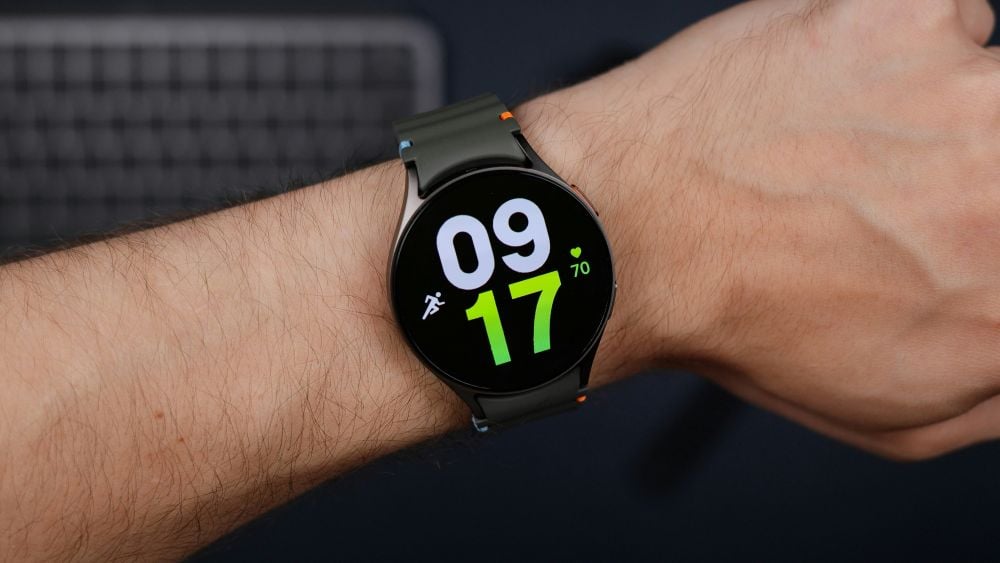
As the adoption of GLP-1 receptor agonist (GLP-1 RA) therapies continues to rise for weight management and chronic disease treatment, the medical community is increasingly focused on the physiological trade-offs of rapid weight loss. A significant area of concern for clinicians is the potential for patients to lose muscle mass alongside fat. To address this, Samsung Electronics America and the Massachusetts General Hospital (MGH) Diabetes Research Center have launched a joint clinical study to explore how wearable technology can assist in monitoring patient health during treatment.
The research, announced on May 27, 2026, investigates the feasibility of using the Galaxy Watch8 to track body composition, activity levels, and heart rate. By leveraging biometric data, the study aims to provide clinicians and patients with a more comprehensive view of physical changes as patients undergo GLP-1 therapy. According to official statements from Samsung Electronics America, nearly one in five adults report having taken a GLP-1 medication, underscoring the urgency for tools that can help mitigate side effects like unintended muscle loss.
Monitoring Health During GLP-1 Therapy
The collaboration between Samsung and the MGH Diabetes Research Center builds upon a history of digital health research. Previous efforts by the two organizations have focused on various biometric indicators, including Advanced Glycation End Products (AGEs). The current study is specifically designed to leverage the advanced BioActive Sensor technology found in the Galaxy Watch8 to facilitate more accurate health measurements.
For patients and their healthcare providers, the goal is to move beyond simple weight tracking. As weight management programs evolve, the ability to differentiate between fat loss and muscle mass loss is becoming a medical priority. By capturing consistent data on body composition and physical activity, the research aims to determine if wearable devices can serve as a reliable tool for clinicians to intervene or adjust treatment plans, thereby fostering more sustainable health habits throughout the duration of a patient’s therapy.
The Role of Wearable Biometrics in Clinical Research
The MGH Diabetes Research Center, which specializes in the study of diabetes and obesity treatments, initiated this collaboration after identifying the potential in Samsung’s body composition monitoring capabilities. The study focuses on whether the data streams provided by the Galaxy Watch and the Samsung Health platform can translate into actionable clinical insights.
This initiative represents a shift toward more integrated digital health solutions. Rather than relying solely on periodic in-office visits, the study explores how continuous, real-time data collection can support the management of complex health regimens. If successful, the integration of these wearables could provide a scalable method for monitoring patients at home, potentially improving the safety and efficacy of GLP-1 RA treatments for a broad population.
Looking Ahead: What This Means for Patients
While the study is currently in its research phase, the implications for the future of digital health are significant. As wearable technology becomes more sophisticated, its role in chronic disease management and metabolic health monitoring is expected to expand. For now, the focus remains on validating the accuracy of the Galaxy Watch8 in a clinical setting and determining how these specific biometric metrics correlate with the health outcomes of individuals on GLP-1 therapy.
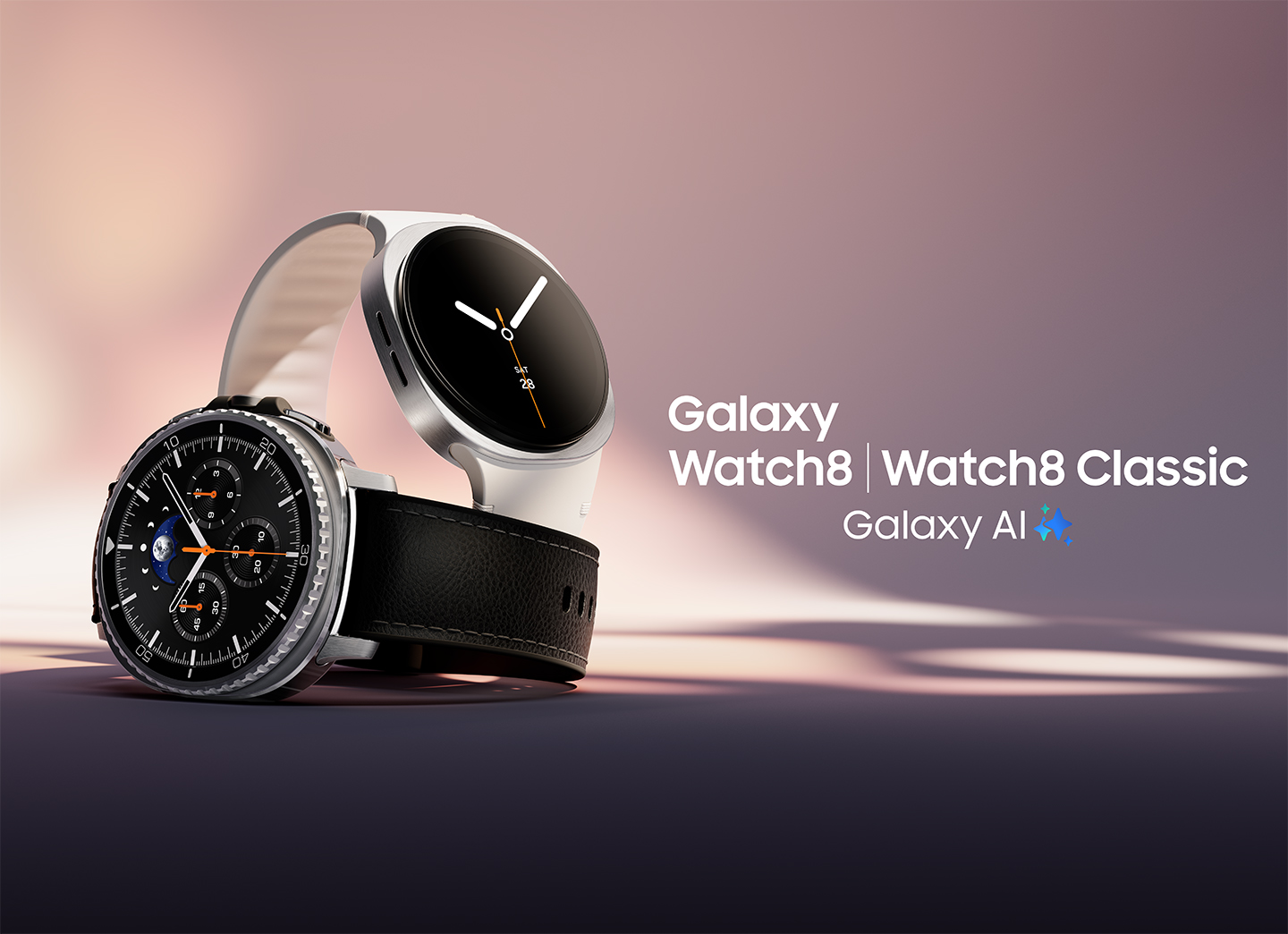
There are no immediate clinical guidelines resulting from this study, as it remains an ongoing investigation into the feasibility of these monitoring methods. For those currently undergoing weight-loss treatments, it is essential to consult with healthcare providers regarding any concerns about muscle mass or physical activity levels. Future updates regarding the findings of this research will be provided through official channels as the study progresses.
We will continue to monitor the progress of this collaboration between Samsung and the Massachusetts General Hospital. Readers interested in the latest developments in digital health and wearable technology are encouraged to share their thoughts or follow our coverage for future updates on this clinical study.
Worth a look