
Solar flares have triggered a G3-class geomagnetic storm, pushing the aurora borealis significantly further south than usual. Residents in mid-latitude regions, including Illinois and Oregon, can expect to see the Northern Lights as a high-density shockwave of solar particles interacts with Earth’s magnetic field.
The recent surge in solar activity follows a series of intense solar flares that sent a Coronal Mass Ejection (CME) toward Earth. This event has elevated the space weather advisory to a G3 “strong” geomagnetic storm level, according to monitoring by the Space Weather Prediction Center (SWPC). While auroras are typically confined to the polar regions, the increased density of the incoming particle stream has expanded the auroral oval, making the lights visible to millions of people in the American Midwest and Pacific Northwest.
This sudden atmospheric display is not merely a visual phenomenon but a direct consequence of the sun’s complex magnetic activity. As the solar shockwave hits the Earth’s magnetosphere, it compresses the magnetic field and accelerates charged particles into the upper atmosphere, creating the shimmering curtains of light known as the aurora borealis.
What is a G3 Geomagnetic Storm?
Geomagnetic storms are classified by the National Oceanic and Atmospheric Administration (NOAA) on a scale ranging from G1 to G5. A G3 storm is categorized as “strong,” representing a significant disturbance in the Earth’s magnetic environment. Unlike minor fluctuations, a G3 event carries enough energy to cause noticeable effects on both the atmosphere and human-made technology.
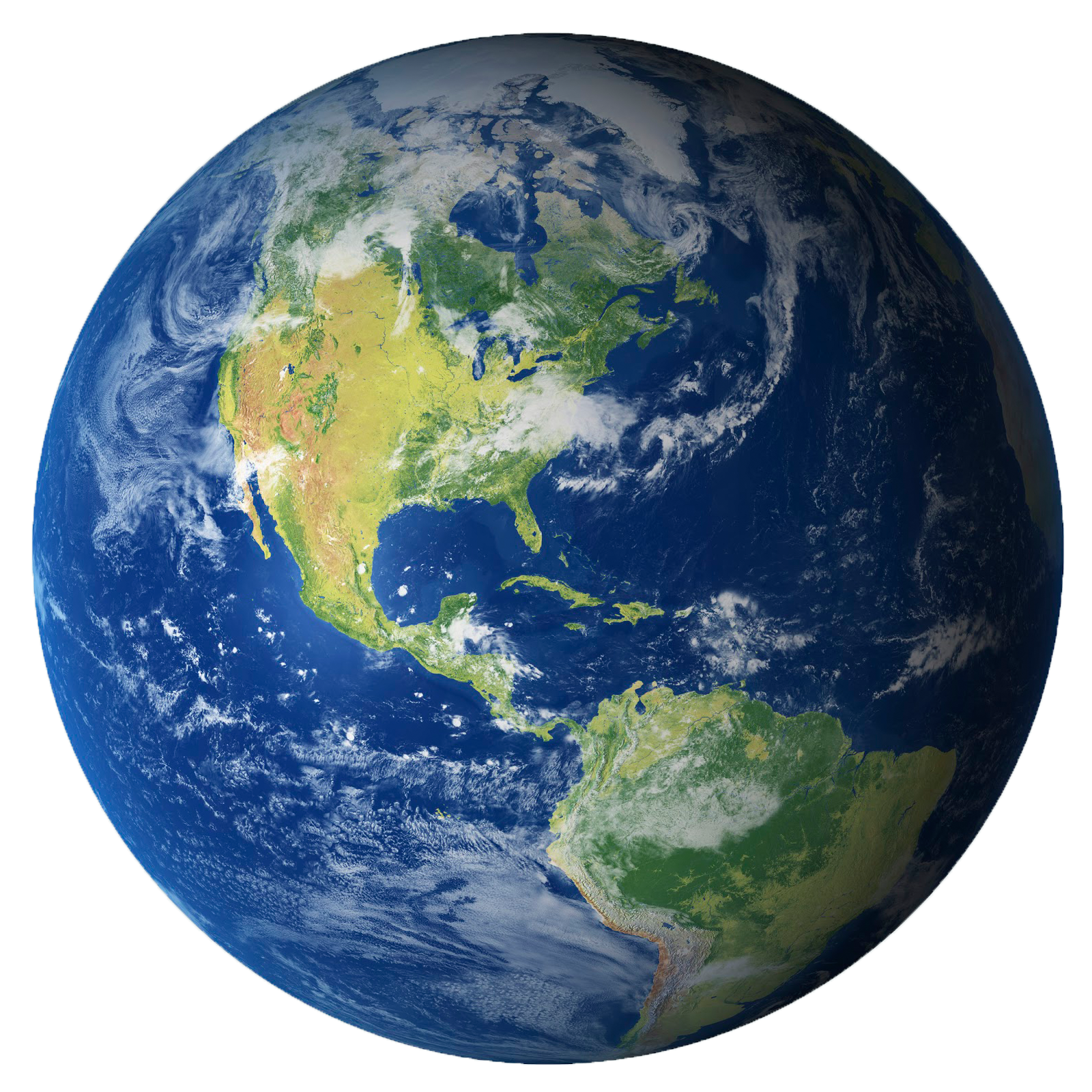
The intensity of a geomagnetic storm is largely determined by the density and speed of the solar particles involved. In this current event, the solar configuration has resulted in a shockwave that carries a higher density of particles than a standard solar wind interaction. When these particles collide with Earth’s magnetic field, they trigger currents that can disrupt the ionosphere, the layer of the atmosphere that facilitates long-distance radio communication.
The specific characteristics of a G3 storm include:
- Increased Auroral Activity: The visibility of the aurora moves toward lower latitudes.
- Radio Interference: Potential disruptions to high-frequency (HF) radio communications, particularly in polar regions.
- Satellite Vulnerability: Increased drag on low-Earth orbit satellites and potential interference with sensitive onboard electronics.
- GPS Accuracy: Minor fluctuations in the accuracy of Global Positioning System (GPS) signals.
Why the Aurora is Visible in Illinois and Oregon
Under normal solar conditions, the aurora borealis is restricted to the “auroral oval,” a ring-shaped region centered around the Earth’s magnetic poles. However, a G3 storm provides enough energy to push this oval toward the equator. This expansion allows the light show to reach mid-latitude states like Illinois and coastal regions like Oregon.
In Illinois, the aurora may appear as a faint, moving glow on the northern horizon. Because the light is often diffused by light pollution in urban areas, observers are encouraged to move away from city centers to maximize visibility. In Oregon, the phenomenon may be visible in the darkest parts of the sky, often appearing as subtle shifts in color depending on the altitude of the particles hitting the atmosphere.
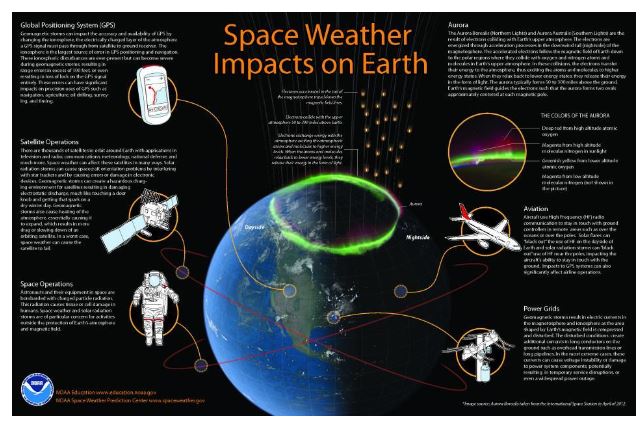
The colors of the aurora are determined by which atmospheric gases are being struck by the solar particles. Green is the most common color, produced when particles collide with oxygen at lower altitudes (around 60 to 150 miles up). Red auroras are rarer and occur when oxygen is hit at much higher altitudes, while blue or purple hues can indicate interactions with nitrogen. During a G3 storm, the variety of colors can increase as the particle energy penetrates different layers of the atmosphere.
Potential Impacts on Technology and Infrastructure
While the aurora is a spectacular sight, the geomagnetic activity driving it can pose challenges to modern infrastructure. The primary concern during a G3 event is the induction of currents in long-distance conductors, such as power lines and pipelines. These geomagnetically induced currents (GICs) can, in extreme cases, overload transformers and cause localized power fluctuations.
Beyond the power grid, the aviation and maritime industries are particularly sensitive to space weather. Pilots flying near polar routes may experience “blackouts” in high-frequency radio communications, which are essential for long-range navigation. Similarly, the increased particle activity can affect the precision of GPS, which is critical for automated systems in modern shipping and precision agriculture.
Satellite operators are also on high alert. The heating of the upper atmosphere caused by the storm can lead to increased atmospheric drag, which may slightly alter the orbits of satellites in low-Earth orbit. While a G3 storm is unlikely to cause widespread satellite failure, it necessitates close monitoring by agencies like NASA to ensure the long-term stability of orbital assets.
How to View the Northern Lights Safely
If you are located in a region currently under an aurora advisory, there are several steps you can take to improve your chances of a successful sighting. Because the aurora is a moving, ethereal light, preparation is key to seeing more than just a “cloudy” sky.
Find Dark Skies: Light pollution is the greatest enemy of aurora viewing. If you are in a city like Chicago or Portland, drive at least 30 to 60 minutes away from metropolitan lights. National parks and rural areas offer the best viewing conditions.
Look North: Even if the aurora is visible from your backyard, the most intense activity will occur toward the northern horizon. If the sky is clear, keep your eyes focused in that direction.
Use Long Exposure: The human eye often struggles to perceive the vibrant colors of the aurora in real-time, especially if the light is faint. Using a smartphone with a “Night Mode” or a dedicated camera on a tripod with a long exposure (5 to 15 seconds) can reveal colors and shapes that are invisible to the naked eye.
Check Local Forecasts: Space weather is highly dynamic. Conditions can change in minutes. Monitor official updates from the NOAA Space Weather Prediction Center to know when the peak intensity of the storm is expected to hit your specific longitude.
The current geomagnetic disturbance is expected to persist through the next 24 to 48 hours as the solar shockwave continues to interact with the Earth’s magnetosphere. Further updates regarding satellite health and power grid stability will be released as more data becomes available from ground-based observatories.
Have you spotted the aurora in your area? We want to hear your stories and see your photos. Share your experiences in the comments below and share this article to alert your friends and family.
Related reading
- La mini casa di 34 m2 che IKEA ha progettato per i senzatetto in Texas – AD Italia
- Amid bad news for starting rotation, Twins deliver a shutout over A’s
- Pyrocumulonimbus, Explained: When Wildfires Make Their Own Storms (daybreakwire.com)
- Seven Tornadoes Touch Down in West Virginia During Tuesday’s Storms (news-usa.today)