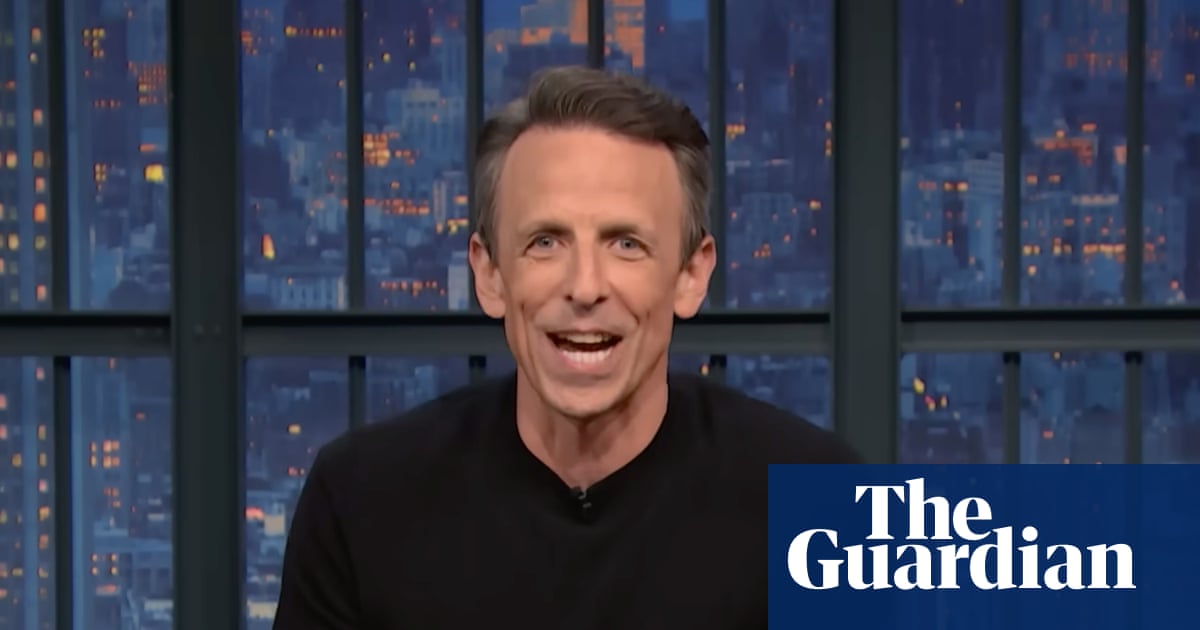
Late-night host Seth Meyers recently turned his attention to Donald Trump, criticizing the former president’s public behavior during meetings and his frequent sharing of AI-generated imagery on social media. During his Thursday night monologue, Meyers highlighted reports of Trump appearing to sleep during high-profile events and mocked the former president’s hyperbolic claims regarding the size of the Lincoln Memorial Reflecting Pool.
The segment serves as a critique of how Trump utilizes digital platforms, with Meyers suggesting that the former president is preoccupied with posting what he described as “AI slop” during late-night hours. This commentary highlights the growing intersection of political discourse and the rise of synthetic media in the current election cycle, where viral, AI-manipulated images frequently circulate among political figures and their supporters.
Addressing Trump’s Meeting Habits and Rhetoric
Meyers focused specifically on instances where Trump has been observed with his eyes closed during formal proceedings. In a characteristic comedic takedown, the host offered a satirical explanation for the behavior. “To America first patriots, it’s clear he’s simply closing his eyes so he can picture everyone naked,” Meyers joked. He quickly added, “Not for sexual reasons – it’s just to calm his nerves for when it’s his turn to talk.”
The critique of Trump’s rhetoric extended to his recent commentary on national landmarks. Meyers pointedly mocked the former president’s exaggerated claims about the scale of the Lincoln Memorial Reflecting Pool, a topic that has drawn public scrutiny as Trump continues to make bold, often unverifiable statements about infrastructure and history during his campaign stops. These remarks are part of a broader trend where late-night hosts are increasingly using the former president’s own off-script comments to illustrate what they characterize as a detachment from reality.
The Rise of AI Imagery in Political Campaigns
Beyond the personal jabs, Meyers’ focus on “AI slop” touches on a significant shift in how political messaging is managed. The proliferation of AI-generated content allows campaigns to produce vast amounts of imagery that may distort reality or promote specific narratives without the need for traditional photography or graphic design. This is a developing topic as social media platforms, including X (formerly Twitter) and Truth Social, have become breeding grounds for synthetic images that often go viral before they can be fact-checked.
Experts in digital media have noted that the use of such content by high-profile figures creates a challenge for voters attempting to distinguish between authentic documentation and artificial fabrication. While Trump has used his platform to share various AI-generated depictions, he is not alone in navigating this new landscape; however, his frequent engagement with such content has made it a recurring target for political satirists and media critics alike.
What Happens Next?
As the 2026 political calendar progresses, the influence of synthetic media and the scrutiny of candidate behavior during official events remain at the forefront of public discussion. Audiences can expect late-night programs to continue analyzing the intersection of AI and campaign rhetoric as the election approaches. For those looking to verify official statements, the Federal Election Commission provides resources regarding campaign disclosures and advertising regulations, which are updated regularly as new technologies change how candidates interact with the electorate.
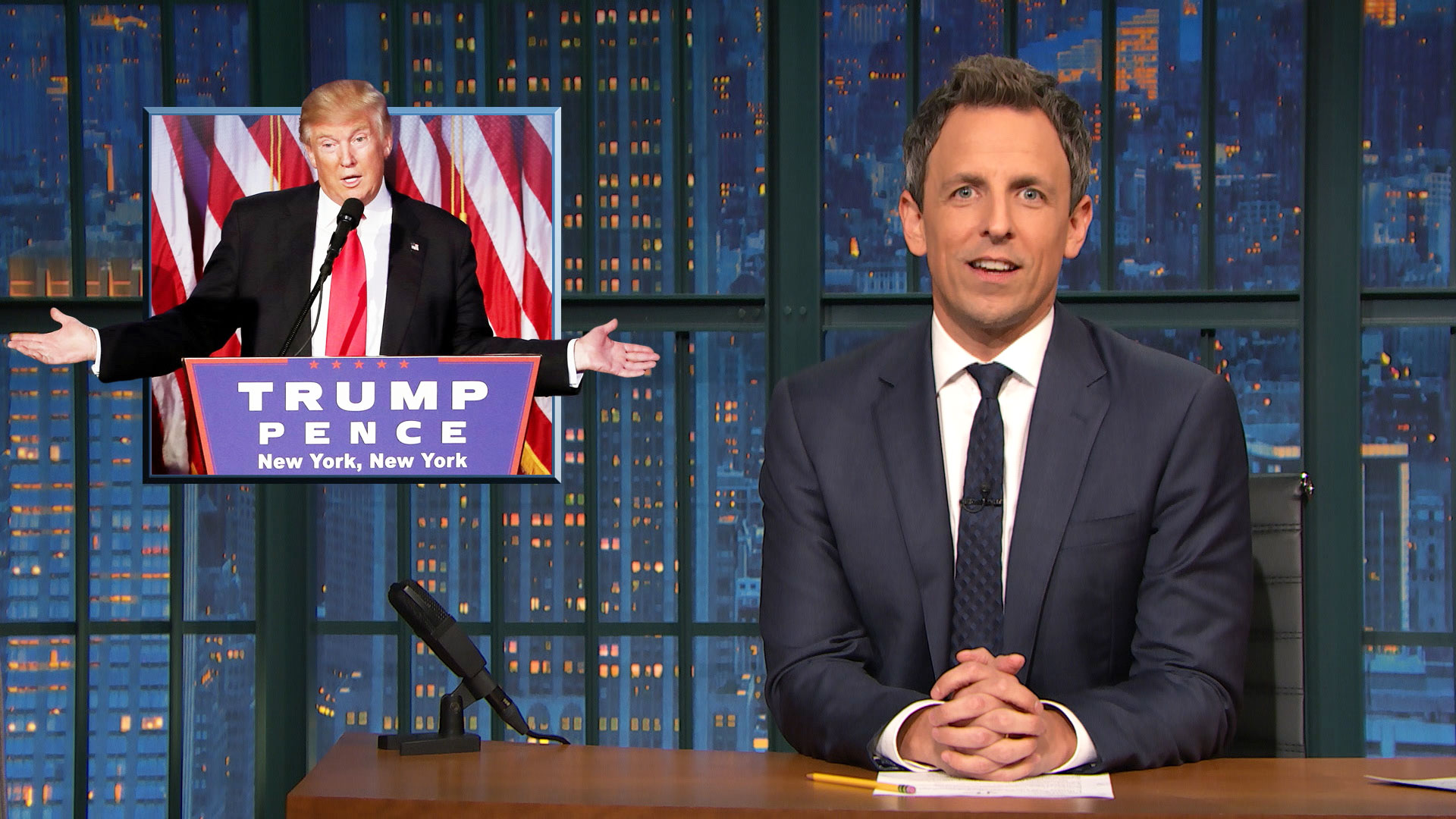
We invite our readers to share their thoughts on the role of AI in political communication in the comments section below. Stay tuned to World Today Journal for continued coverage of the intersection between entertainment, technology, and the current political landscape.
Related reading