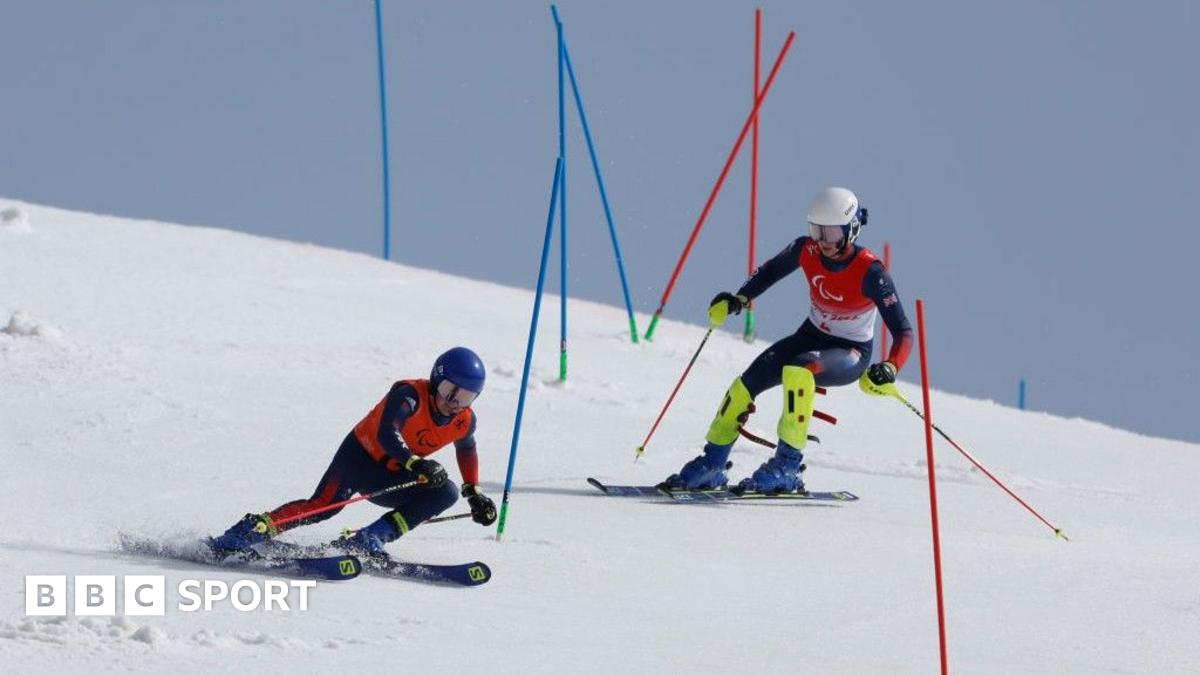
Visually impaired athletes compete at the Winter Paralympics by utilizing a sophisticated system of acoustic and vocal guidance, allowing them to navigate complex mountain terrain at high speeds. This integration of human partnership and specialized equipment ensures that athletes with varying degrees of visual impairment can participate in disciplines ranging from alpine skiing to biathlon. According to the International Paralympic Committee, these competitions are structured to prioritize fairness and safety through strict classification protocols based on functional vision assessments.
The core of the competitive experience for visually impaired skiers is the relationship between the athlete and their sighted guide. In alpine skiing, the guide skis in front of the athlete, providing real-time instructions via a wireless communication system. These instructions are relayed through headsets, allowing the athlete to hear the guide’s voice over the sound of wind and snow, effectively mapping the course ahead. The International Paralympic Committee confirms that guides are essential partners who must possess high-level technical skiing skills to maintain the necessary pace while providing clear, concise directions for turns and course features.
Classification is the foundational element that enables equitable competition. Athletes are grouped into three classes—B1, B2, and B3—based on their level of visual acuity and field of vision. B1 athletes, who have no light perception or the inability to recognize shapes, always compete with a sighted guide. B2 and B3 athletes, who possess varying degrees of residual vision, may also use a guide, though their reliance on visual input differs significantly. These classifications are verified through rigorous medical and functional evaluations conducted under the oversight of the International Paralympic Committee to ensure that every participant competes within a cohort of similar functional ability.
How Guides Communicate on the Slopes
Effective communication is the primary mechanism for success in high-speed events like the downhill or super-G. Because the athlete cannot see the terrain, the guide serves as their eyes. The communication protocol is highly disciplined; guides use short, rhythmic commands to indicate turn direction, terrain changes, or the proximity of gates. This method requires months, sometimes years, of training to synchronize the movements of the two skiers. The International Paralympic Committee highlights that the guide’s ability to anticipate the athlete’s needs and react to changing snow conditions is vital for both performance and injury prevention.
In the biathlon, which combines cross-country skiing and marksmanship, the system adapts to include acoustic signals. While the skiing portion relies on the same guide-partner dynamic, the shooting phase utilizes an electro-acoustic system. Athletes wear headphones that emit different tones based on the proximity of their aim to the center of the target. As the rifle barrel moves closer to the bullseye, the frequency or intensity of the sound changes, providing the athlete with the necessary feedback to execute a shot. According to the International Paralympic Committee, this technology has revolutionized the sport, allowing visually impaired athletes to achieve high levels of accuracy without requiring visual confirmation of the target.
The Role of Technology and Safety
Safety remains the highest priority in all Paralympic winter sports. Beyond the use of headsets, athletes and guides are subject to specific equipment regulations. For instance, in alpine skiing, the guide must wear a bright, high-visibility vest to ensure that spectators and course officials can clearly distinguish between the athlete and the guide. Furthermore, the International Paralympic Committee mandates that both the athlete and guide must cross the finish line together, with the time taken being that of the athlete. This ensures that the performance is a true reflection of the athlete’s skill, supported by the guide’s navigation.
The development of these systems is an ongoing process involving sports scientists and accessibility experts. By refining the clarity of acoustic signals in the biathlon and the reliability of radio communication in alpine events, organizers continue to lower the barriers to entry for athletes with visual impairments. Detailed information regarding current regulations and upcoming qualification criteria for future Winter Paralympic Games can be found on the official International Paralympic Committee website.
As the international sporting community looks toward the next cycle of qualification events, the focus remains on enhancing the inclusivity of these specialized disciplines. Stakeholders, including national Paralympic committees and athletic federations, are continuously updating training manuals to reflect advancements in adaptive technology. Readers interested in the evolution of these events are encouraged to follow official updates from the International Paralympic Committee for the latest technical documents and competition schedules.
We invite our readers to share their thoughts on the evolution of adaptive sports technology in the comments section below. Your engagement helps foster a better understanding of the dedication and technical precision required by these elite athletes.
Related reading