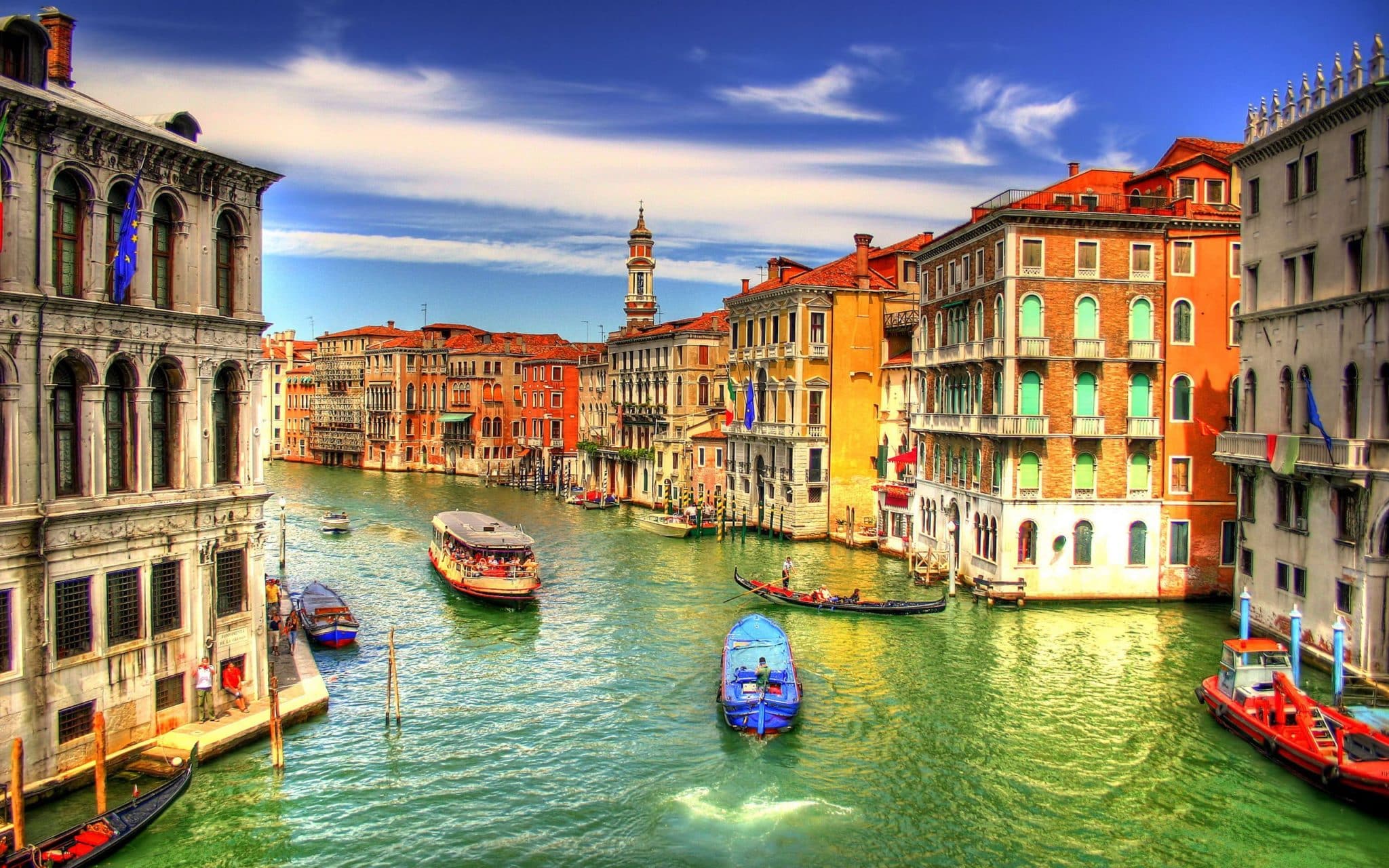
Maritime cooperation between Italy and African nations has taken center stage at the International Maritime Organization (IMO) headquarters in London, where officials are convening to address critical infrastructure, security, and sustainable development. The discussions reflect a broader effort to strengthen maritime governance, enhance safety protocols, and foster economic partnerships across the Mediterranean and beyond.
As the primary regulatory body for international shipping, the IMO serves as the essential venue for these high-level diplomatic exchanges. The focus on maritime security and logistics capacity is particularly timely, given the increasing reliance on integrated supply chains and the need for robust legal frameworks to manage regional transit corridors. These talks underscore the ongoing commitment of Mediterranean and African stakeholders to align their national policies with global maritime standards established by the IMO.
Strengthening Strategic Maritime Security
Security remains a cornerstone of the dialogue between Italian delegates and their African counterparts. In an era where maritime threats—ranging from unauthorized transit to infrastructure vulnerability—can disrupt international trade, the harmonization of security measures is a top priority. According to the International Maritime Organization, the agency is mandated to promote safe, secure, environmentally sound, efficient, and sustainable shipping through cooperation among its 176 member states.
The discussions in London emphasize the importance of institutional capacity building. By sharing technical expertise and implementing unified safety protocols, participating nations aim to mitigate risks that could impede regional economic stability. These efforts are supported by the IMO’s long-standing initiatives to assist developing nations in modernizing their maritime administrations, ensuring that safety regulations are not only adopted but effectively enforced across diverse jurisdictions.
Economic Integration and Sustainable Development
Beyond security, the focus on economic cooperation highlights the role of maritime trade as a vehicle for sustainable development. Italy, with its strategic position in the Mediterranean, has long advocated for stronger ties with African coastal states to optimize logistics and port operations. The integration of these maritime economies is essential for improving the efficiency of the “Blue Economy,” a concept championed by the IMO to promote the sustainable use of ocean resources for economic growth.
The collaboration involves evaluating current port infrastructure and identifying areas where technical assistance could accelerate modernization. As noted by the IMO Technical Cooperation Committee, the goal is to bridge the gap in maritime capability, allowing all member states to participate more equitably in the global shipping market. This includes training programs, knowledge transfers, and the adoption of digital tools to streamline trade documentation and border procedures.
The Role of International Regulatory Frameworks
The effectiveness of these bilateral and multilateral partnerships depends heavily on adherence to established international conventions. The IMO serves as the guardian of these agreements, such as the International Convention for the Safety of Life at Sea (SOLAS). By aligning their national legislations with these global instruments, Italy and its African partners ensure that their maritime cooperation operates within a predictable and transparent legal environment.
This alignment is critical for attracting foreign investment into African port projects and ensuring that vessels operating in these regions meet international environmental and safety standards. The ongoing meetings in London are intended to solidify these commitments, providing a roadmap for future collaborative projects that will likely be reviewed during upcoming sessions of the IMO Council. The next major administrative update regarding organizational priorities is expected following the conclusion of the current assembly cycle, as the IMO continues to facilitate international dialogue on maritime safety and environmental protection.
We invite our readers to join the conversation on these critical geopolitical developments. Please share your insights or questions regarding the future of Mediterranean and African maritime cooperation in the comments section below.
- 16-Year-Old Lifeguard Hero Saves Young Boy Swept Away by Massive Waves
- Russia and Ukraine Target Fuel Infrastructure in Escalating Strikes
- Witnesses Describe Massive Explosion That Levelled Vacant London House (world-today-news.com)
- Andrew Mountbatten-Windsor Faces Bill to Strip Freedom of the City of London (time.news)