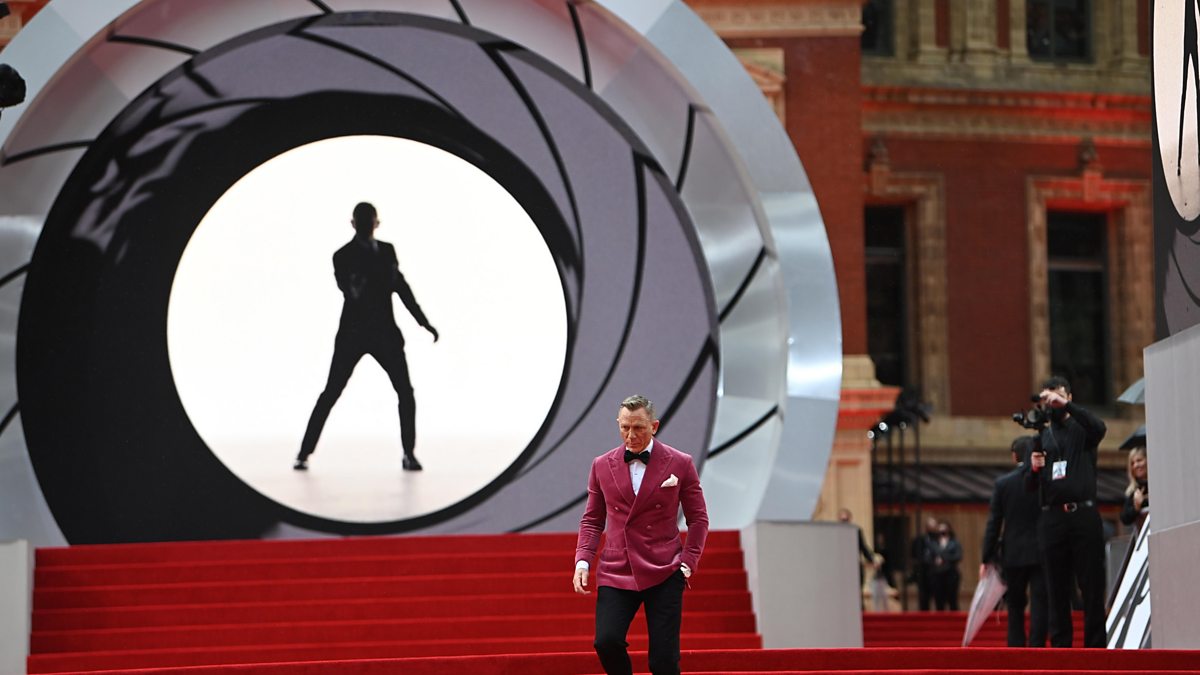
The future of the James Bond franchise is currently defined by a delicate power struggle between Amazon MGM and Eon Productions. As the search for a successor to Daniel Craig intensifies, the central conflict involves whether the legendary 007 series will maintain its cinematic prestige under legacy creative control or be reshaped by the corporate interests of a global tech giant.
For over sixty years, the James Bond brand has operated under a unique set of rules. Unlike most Hollywood properties that are subject to the whims of shifting studio executives, the 007 universe has been steered by a single family-run entity. However, the landscape changed significantly following the 2022 acquisition of MGM by Amazon. This transition has set the stage for a high-stakes confrontation between traditional filmmaking values and the data-driven demands of a modern streaming empire.
How does the power struggle between Amazon and Eon Productions work?
To understand the current tension, one must look at the distinction between legal ownership and creative authority. While Amazon now holds the rights to the MGM library—and by extension, the James Bond IP—the franchise remains under the stewardship of Eon Productions. Led by producers Barbara Broccoli and Michael G. Wilson, Eon has maintained a level of creative autonomy that is almost unheard of in modern blockbuster filmmaking.
This arrangement creates a “David and Goliath” dynamic. On one side, you have Amazon, a tech titan led by Jeff Bezos, which views intellectual property through the lens of ecosystem growth and subscriber retention. On the other, you have the Broccoli family, who have treated Bond as a curated cinematic legacy rather than mere “content.” According to industry reporting on the Amazon-MGM merger, Eon’s ability to veto creative decisions remains a cornerstone of the franchise’s identity.
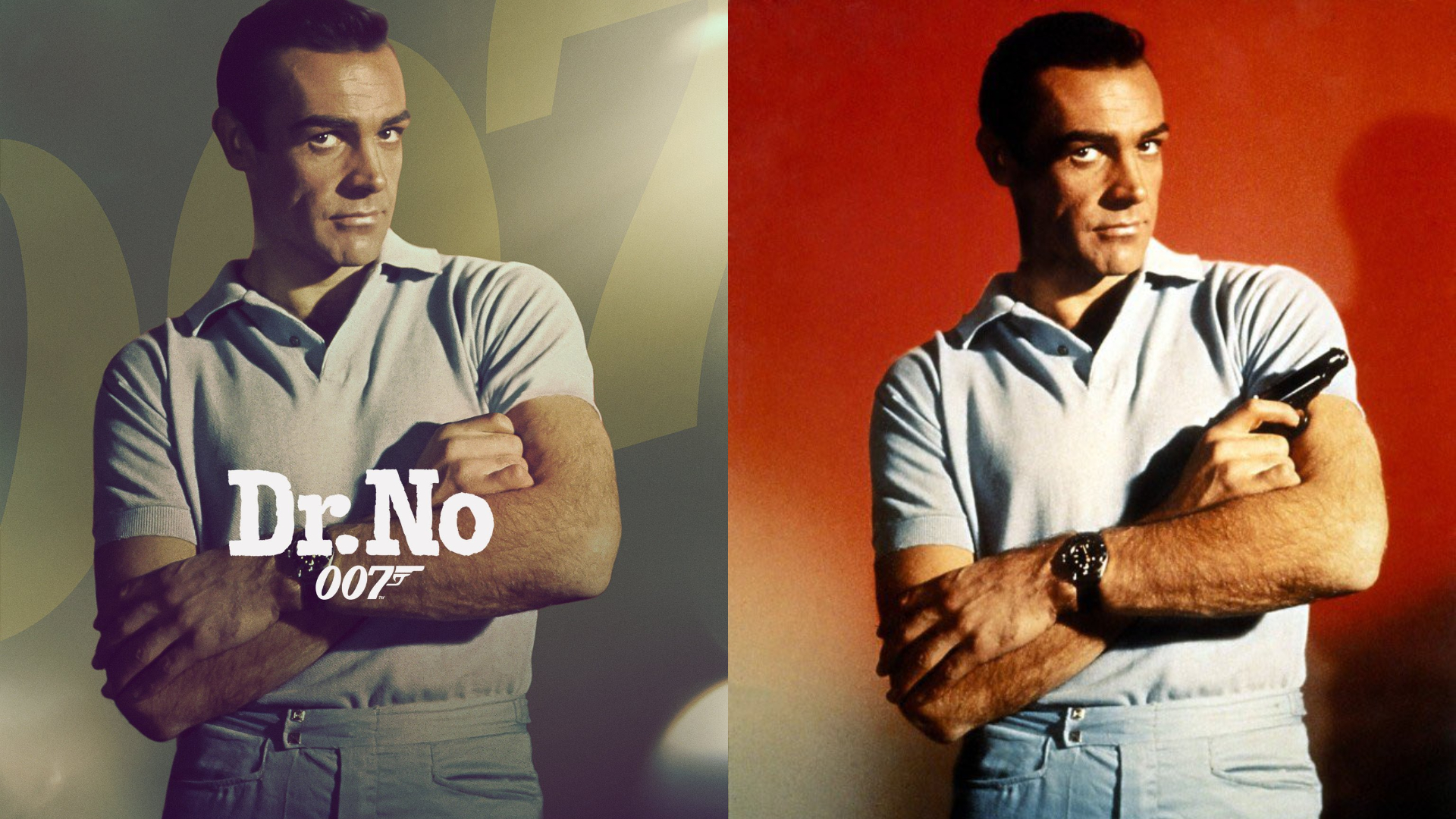
The friction arises when these two philosophies collide. A tech-driven studio may prioritize a high volume of output or a pivot toward streaming-first releases to bolster Prime Video. Conversely, Eon has historically prioritized the theatrical experience, ensuring that each Bond film feels like a global cultural event. The battle is not just about who owns the character, but about whether the character is allowed to evolve in ways that might satisfy a corporate bottom line at the expense of its established mystique.
Why has the search for a new James Bond taken so long?
Since Daniel Craig concluded his tenure with No Time to Die in 2021, the vacancy in the role of 007 has become one of the most scrutinized gaps in Hollywood. While fans have clamored for a successor for years, the delay is not merely a matter of finding the right actor; it is a matter of defining the next era of the character.
The search has been complicated by several strategic factors:
- The Craig Legacy: Daniel Craig’s era brought a gritty, serialized realism to Bond that fundamentally changed the character. Replacing that specific tone requires more than just a new face; it requires a complete tonal recalibration.
- Creative Direction: Before a single actor can be cast, the producers must decide if the next Bond will be a continuation of the recent character arcs or a complete reboot.
- The Ownership Transition: The period following the Amazon acquisition necessitated a settling of terms between the new owners and the long-standing producers.
Industry insiders suggest that the hesitation is a deliberate move to avoid “franchise fatigue.” There is a significant risk in rushing a casting announcement only to realize the creative vision does not align with the new actor’s capabilities. The goal is to find an individual who can anchor a multi-film commitment, a task that requires immense longevity and the ability to withstand intense global scrutiny.
Will the franchise survive the shift to streaming-first models?
The most significant threat to the “Bond mystique” is the potential for the franchise to be diluted into standardized streaming content. In the current Hollywood climate, studios are under immense pressure to extract maximum value from established IPs. For a brand as prestigious as Bond, this creates a paradox: the more the franchise is utilized, the more its perceived value may diminish.

There is a growing concern among film purists that the “Bond brand” could be subjected to the same “content churn” seen in other major franchises. This involves frequent releases, spin-offs, or genre-bending iterations that might appeal to a broader demographic but alienate the core audience that views Bond as a cinematic institution. The fear is that the character could transition from a carefully guarded icon to a piece of “slop”—a term used by critics to describe overproduced, low-substance content designed solely to satisfy algorithm-driven viewing habits.
However, the scale of the Bond brand also offers a massive opportunity for Amazon. If the transition is handled with precision, the franchise could become a cornerstone of the streaming era, using high-production values to bridge the gap between the cinema and the living room. The outcome depends entirely on whether the creative gatekeepers at Eon can maintain their veto power in the face of corporate expansion.
The Bond Transition at a Glance
| Feature | Eon Productions Approach | Amazon/Corporate Approach |
|---|---|---|
| Primary Goal | Cinematic prestige and legacy preservation | Subscriber growth and IP monetization |
| Release Strategy | Theatrical-first, global events | Streaming-integrated, high volume |
| Creative Control | Centralized in the Broccoli/Wilson family | Shared with studio executives/data analysts |
| Character Focus | Tonal consistency and myth-building | Adaptability and demographic expansion |
As the industry awaits the first official signals regarding the new 007, the stakes could not be higher. The resolution of this struggle will likely serve as a blueprint for how other legacy film franchises navigate the transition from traditional studios to tech-driven media giants.
The next major checkpoint for the franchise will be any official confirmation regarding the creative direction of the next installment or the commencement of formal casting calls. Until then, the battle for the soul of 007 remains behind closed doors.
What do you think the next James Bond should look like? Should the franchise stay in theaters, or is it time for a streaming revolution? Let us know in the comments below and share this story with your fellow cinema lovers.
Worth a look