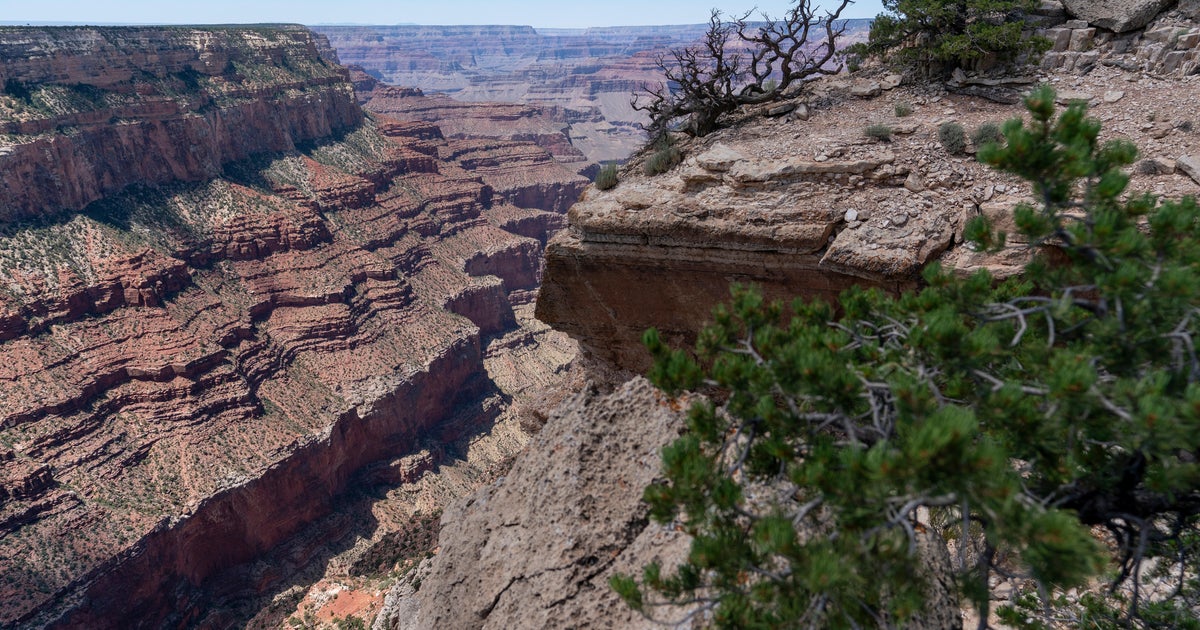
A teenager has died after experiencing symptoms of heat-related illness while hiking in Grand Canyon National Park. The 18-year-old hiker, whose identity has not been released by officials, encountered distress on one of the park’s primary trails before the situation became fatal, according to official statements from the National Park Service regarding recent search and rescue operations.
The incident occurred on the Bright Angel Trail, a route frequently used by visitors but known for its extreme elevation changes and exposure to high temperatures. Park rangers received a distress call regarding the hiker, but despite efforts to provide assistance, the individual passed away. The National Park Service and the local medical examiner’s office are currently conducting an investigation into the circumstances of the death, adhering to standard protocols for fatalities within federal park lands.
Understanding Heat-Related Risks in the Grand Canyon
Hiking in the Grand Canyon presents unique environmental challenges that can rapidly overwhelm even experienced hikers. During the summer months, temperatures at the bottom of the canyon often exceed 100 degrees Fahrenheit (38 degrees Celsius), creating conditions that can lead to heat exhaustion or heat stroke within a short period. The National Park Service advises that the temperature difference between the canyon rim and the inner canyon can be significant, often catching unprepared visitors off guard.
Heat-related illness occurs when the body’s cooling mechanisms are unable to keep up with environmental stress. Early symptoms often include heavy sweating, rapid pulse, dizziness, and nausea. If these signs are ignored, the condition can escalate into heat stroke, a life-threatening medical emergency characterized by a high body temperature and potential neurological impairment. Rangers frequently emphasize that hiking during the hottest parts of the day—typically between 10:00 a.m. and 4:00 p.m.—is strongly discouraged.
Safety Protocols and Trail Preparedness
The Bright Angel Trail is one of the most popular paths in the park, yet it is also the site of numerous medical emergencies each year. Because the hike begins at the rim and descends into the canyon, the most strenuous part of the journey occurs on the return trip, when hikers are already fatigued and potentially dehydrated. The National Park Service maintains specific guidelines for desert hiking, including the necessity of carrying adequate water, consuming salty snacks to maintain electrolyte balance, and resting in shaded areas whenever possible.
For those planning a visit, checking the latest weather advisories and trail conditions is a mandatory step. The park service provides real-time updates through their official website, which hikers are encouraged to consult before beginning any descent into the canyon. Visitors are also urged to familiarize themselves with the “hike smart” protocols, which include knowing when to turn around before reaching exhaustion. In the event of an emergency, the park service stresses the importance of staying in the shade and signaling for help if cell service or a satellite communication device is available.
Ongoing Investigations and Official Updates
As the investigation into this recent fatality continues, the National Park Service has not released further details regarding the specific medical findings or the exact timing of the distress call. Such investigations are standard procedure for the agency, involving coordination between park law enforcement and the Coconino County Medical Examiner. These findings are used not only to document the event but also to refine safety education and trail management strategies for future visitors.
Official updates regarding park safety and any potential trail closures or advisories are posted directly to the National Park Service website. As the summer season progresses, authorities continue to monitor trail conditions closely to prevent further incidents. Hikers are reminded that the canyon is an unforgiving environment, and personal preparedness remains the most effective defense against the hazards of extreme heat. We invite our readers to share their thoughts or experiences with canyon safety in the comments below, as community awareness remains a vital component of wilderness safety.
Worth a look